 EN
EN

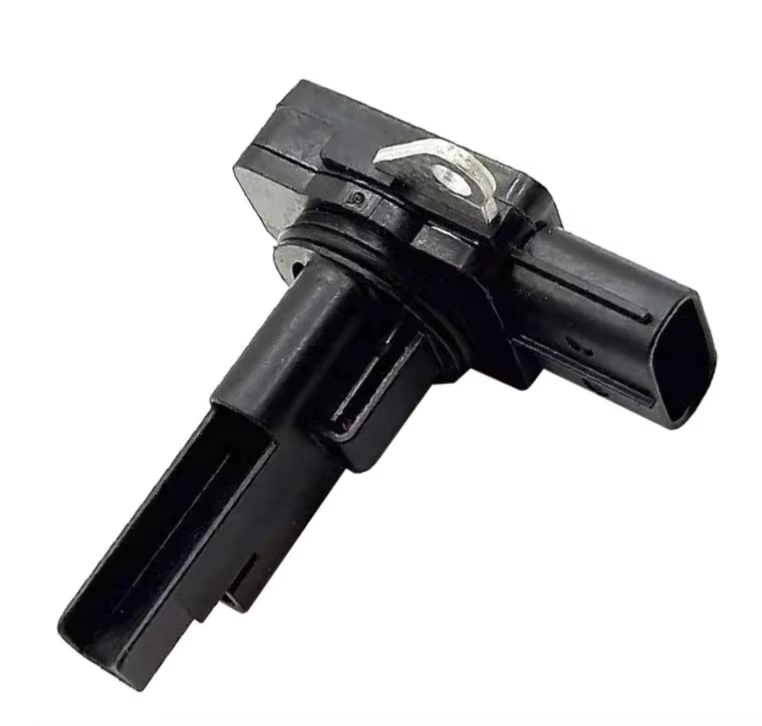
Why Standard MAF Sensors Fall Short for Modified and High-Performance Vehicles
The standard mass air flow sensors come designed for regular factory engines, but they just don't cut it when dealing with higher airflow rates, pressure changes, or extreme temperatures found in modified or performance builds. These sensors work fine on stock setups, though they fall short when it comes to handling things like turbocharging systems, aggressive camshaft profiles, or larger throttle bodies. Once the engine hits around 5,000 RPMs, these sensors start showing their limitations with calibration errors sometimes going over 15 percent. That throws off the air-fuel ratio calculations the ECU relies on. What happens next? The car hesitates when pushing hard, idles roughly, and runs a real risk of knocking, particularly if someone has installed aftermarket intake manifolds or exhaust systems that mess with airflow patterns. At very high airflow levels, the sensor signals get saturated which makes them even less accurate, often causing the ECU to go into its safety mode. Any engine running outside what the manufacturer intended really needs a custom built mass air flow meter that can track fast moving air properly and integrate smoothly with the computer system. It's not something people can skip if they want their modifications to perform reliably.
Vehicle-Specific Design Factors for a Custom Mass Air Flow Meter
Engine platform, airflow demand, and ECU compatibility (e.g., LS/LT, Gen V small blocks)
The way engines are built really affects how air moves through them. Take LS/LT engines versus Gen V small blocks for example. These different designs create completely separate volumetric efficiency patterns, which means mechanics need to handle laminar flow differently and map out voltage outputs specifically for each type. When people modify these engines, they often end up getting 40 to 60 percent more airflow than what came from the factory. This pushes regular mass airflow sensors into strange operating ranges once the engine hits around 7,000 RPM. That's why installing a custom meter becomes so important. It needs proper calibration matching exactly what the ECU expects to see. This matters even more with today's CANbus systems because if there's any mismatch between frequency or voltage readings, the computer keeps making constant adjustments to fuel delivery, which messes up the ideal air-fuel ratio balance.
Physical integration: housing diameter, flange type, and sensor placement constraints
The housing diameter needs to fit exactly with the cross-sectional area of the intake tract. If it's too big, turbulence gets created which messes up signal clarity. On the flip side, if the housing is too small, it restricts airflow and actually steals horsepower away from the engine. When it comes to flange designs, there's a difference between square flanges and those OEM slide-ins. This choice affects how air flows downstream because bad straightening can warp the boundary layer right before it hits the sensor. Putting sensors in the best spots means avoiding areas where turbulence happens after throttle bodies or bends in the system. Space is often limited in modern engine compartments, so angled or compact housings work better here. These setups keep the boundary layer intact while still leaving room for all those wires and coolant lines that need their own space too.
Calibration, Tuning, and Real-World Validation of Your Custom Mass Air Flow Meter
Getting the calibration right is what turns those basic sensor readings into something useful for the ECU when it comes to airflow measurements. Standard MAF sensors just don't cut it compared to custom ones that get tested through their entire range of operation. We're talking about everything from engine speed to how much load it's under, plus all those temperature changes between outside air and what goes into the intake. The process actually considers things like metal expanding when hot, weird airflow patterns at high speeds, and those little voltage fluctuations that happen during normal driving conditions. Experts work with special equipment in controlled environments to create maps tailored specifically for each engine's characteristics including displacement size, turbo boost pressure levels, and camshaft timing parameters. They focus extra attention on aspects that really matter for everyday driving performance such as how quickly the engine responds when someone steps on the gas pedal and ensuring smooth transitions between different operating zones.
Dynamic MAF Calibration Across RPM, Load, and Temperature Ranges
Just setting things up on a static bench doesn't cut it anymore. For forced induction systems, we really need to account for those pressure ratios properly. And let's not forget about those high revving engines either they demand proper modeling of the boundary layers around those hot wire or hot film sensors. Most engineers spend countless hours creating these temperature compensation curves, testing them across the full range from minus 20 degrees all the way up to 120 on those climate controlled dynos. Why? Because voltage drift becomes a real problem after long track sessions when those intercoolers start losing their effectiveness. We've seen this happen time and again at the racetrack, so getting these calibrations right makes all the difference in maintaining accurate readings under real world conditions.
Validating Accuracy with Wideband AFR Feedback and Dyno-Based Airflow Correlation
Real world conditions put lab grade calibrations to the test. When validating systems, technicians compare mass air flow readings against actual air fuel ratios during various driving scenarios including acceleration, deceleration and changes in engine load. If there are discrepancies, they focus on recalibrating specific parts of the performance curve where problems occur. Testing on dynamometers gives clear confirmation whether things match up properly. Airflow measurements need to stay within about 2 percent of what's expected based on torque production and how efficiently the engine is breathing. This combination method catches those tricky issues nobody thinks about at first glance something like pressure waves bouncing back through intake manifolds caused by high performance cams these can mess with fuel trim calculations over time and hide bigger calibration problems that should have been spotted earlier.
Selecting and Implementing a Custom Mass Air Flow Meter: A Practical Decision Framework
Implementing a custom mass air flow meter demands a methodical, vehicle-specific process—not a one-size-fits-all upgrade. Start by auditing all major modifications—forced induction, camshaft profile, displacement changes—to quantify airflow demand beyond stock limits. Then match the meter's technical specifications to those demands:
- Flow range compatibility: Select a unit whose maximum measurable airflow exceeds your engine's peak requirement by 15–20% to prevent signal clipping at redline
- Signal output alignment: Confirm voltage or frequency output matches your ECU's native input protocol—mismatched scaling causes chronic fuel trim errors
- Physical constraints: Verify housing diameter, flange interface, and mounting orientation integrate cleanly with your intake tract and engine bay layout
Validation after installation just can't be skipped. When checking things out, compare the airflow numbers from the MAF sensor against actual wideband AFR readings while under load. Aim for consistent AFR readings within about 3% across all RPM ranges. The dyno still stands as the best way to check things out properly. Airflow measurements should match up with torque-based volumetric efficiency calculations within around 5%. If they're off by more than that, it's definitely time to recalibrate. Take note that on modified LS and LT engines, dyno tests repeatedly show factory MAF sensors tend to miss the mark significantly at higher revs, usually underestimating real airflow by somewhere between 12% and 18% at 6,500 RPM. That's why relying on actual test results makes so much more sense than going by what we think should happen. Set up some kind of live data logging system too. Keep an eye on how the MAF performs over time. This lets us catch when recalibration becomes necessary as the engine gets modified and starts breathing differently down the road.
Table of Contents
- Why Standard MAF Sensors Fall Short for Modified and High-Performance Vehicles
- Vehicle-Specific Design Factors for a Custom Mass Air Flow Meter
- Calibration, Tuning, and Real-World Validation of Your Custom Mass Air Flow Meter
- Selecting and Implementing a Custom Mass Air Flow Meter: A Practical Decision Framework