 EN
EN

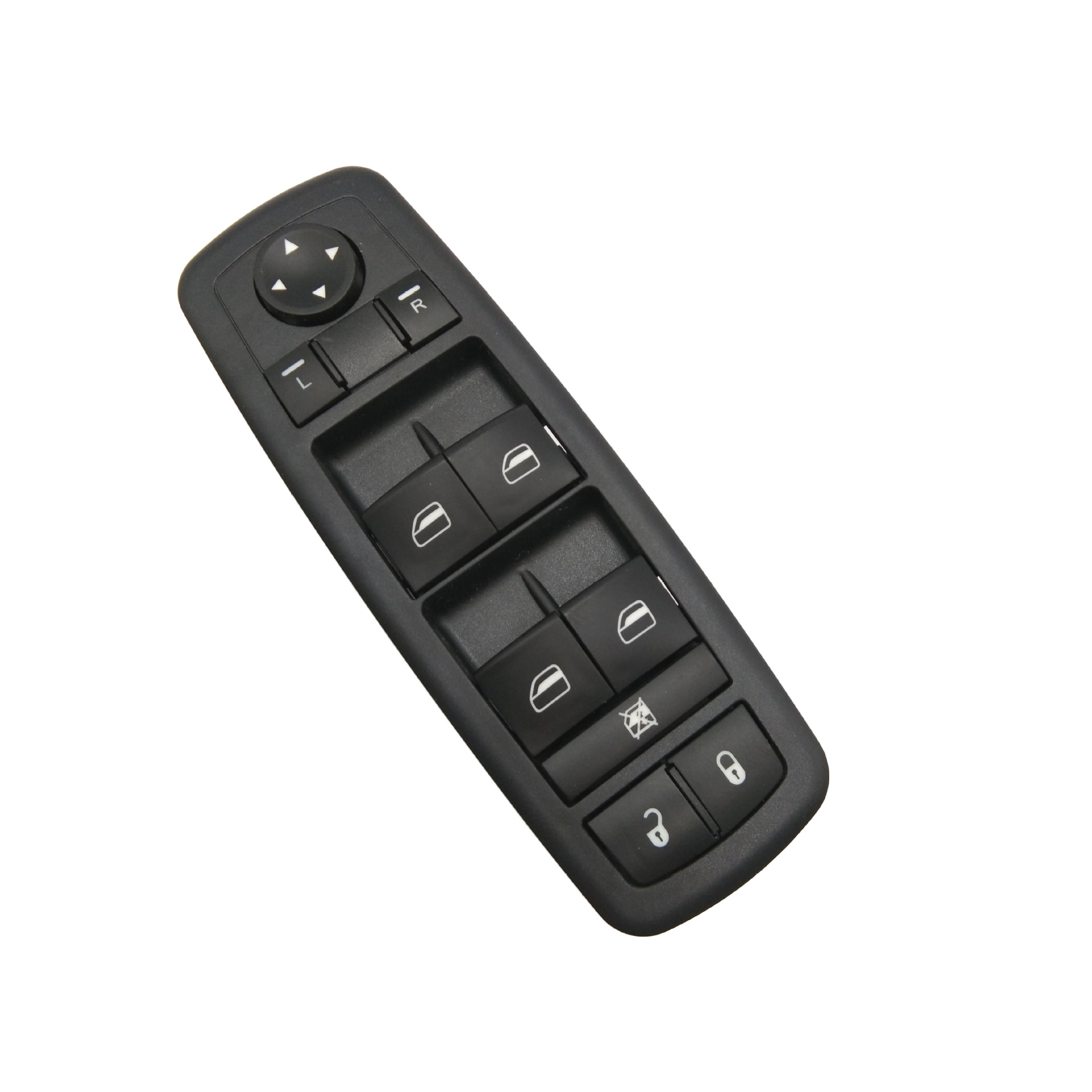
Why Certification Is the First Filter for a Reliable Window Switch Factory
IATF 16949: The Automotive-Specific Standard That Validates Process Rigor
For makers of car window switches, getting IATF 16949 certification really matters. This standard goes beyond regular ISO requirements by requiring multiple layers of process checks, making sure suppliers are held responsible, and tracking defects through statistical methods tailored specifically for vehicle electrical components. Plants that earn this certification show they can stop major problems before they happen, things like contacts sticking together from heat or water getting into sensitive areas, which obviously makes cars safer and more dependable overall. Studies looking at real world performance indicate that these certified operations see around a 30% drop in complaints about faulty parts once the products hit the road, though results can vary depending on how strictly the standards are implemented across different manufacturing sites.
AEC-Q200 and FMVSS No. 118: Non-Negotiable Safety and Reliability Benchmarks
Validating components at the individual level matters just as much as system testing does. The AEC-Q200 standard puts passive parts like resistors and capacitors through their paces with tests for thermal shock, vibrations, and humidity levels that mimic actual scenarios such as when someone slams a car door or when components sit under the hood during extreme weather. Then there's FMVSS No. 118 from the US government which demands that power window switches keep working properly even when temperatures swing between -40 degrees Celsius and 85 degrees Celsius. This kind of requirement weeds out any supplier who isn't fully committed to quality. Non compliance costs serious money too. According to research from Ponemon Institute in 2023, fixing problems caused by faulty switches typically runs around $740,000 per incident. Manufacturers that stick to these standards generally produce switches with gold plated contacts capable of handling over 100,000 operations before showing signs of wear. That kind of reliability matches exactly what original equipment manufacturers expect from their products over time.
Technical Capability: What Truly Distinguishes a Professional Window Switch Factory
Precision Engineering: Tactile Feedback, Contact Durability, and Gold-Plated Actuation Systems
The best window switch manufacturers see engineering as an integrated process rather than just checking off individual specifications. Standard practice includes gold plating on contacts at least 0.2 microns thick according to ISO 4524 standards. This helps prevent those annoying resistance issues caused by oxidation and keeps the electrical connection solid even after tens of thousands of operations. When it comes to how the switch feels when pressed, engineers carefully calibrate dome switches to provide just the right amount of resistance between 3.5 and 5 Newtons. Drivers appreciate this because it gives them clear feedback without making their fingers tired during long drives. Testing doesn't stop at basic lab work either. Manufacturers run accelerated tests that simulate what happens over 15 years of regular use. These tests expose switches to harsh conditions like sunlight damage, salty coastal air, and constant temperature changes to make sure they'll still work properly when installed in actual vehicles.
Material Science in Action: Polyamide vs. LCP Housings Under 100,000-Cycle Validation
Material selection is a decisive factor in environmental resilience. While polyamide 6/6 remains widely used, leading manufacturers increasingly adopt Liquid Crystal Polymer (LCP) for its superior dimensional stability and chemical resistance—validated through SAE J1211 thermal shock and chemical exposure protocols.
| Material | Temperature Resistance | Cycle Performance | Moisture Absorption |
|---|---|---|---|
| Polyamide 6/6 | -40°C to 130°C | 60,000 cycles | 2.7% (24h immersion) |
| LCP (Liquid Crystal Polymer) | -40°C to 180°C | 100,000+ cycles | 0.02% |
Factories leveraging LCP report a 34% reduction in warranty claims versus polyamide-based designs (Automotive Component Reliability Report, 2023), underscoring how material science translates directly into field reliability.
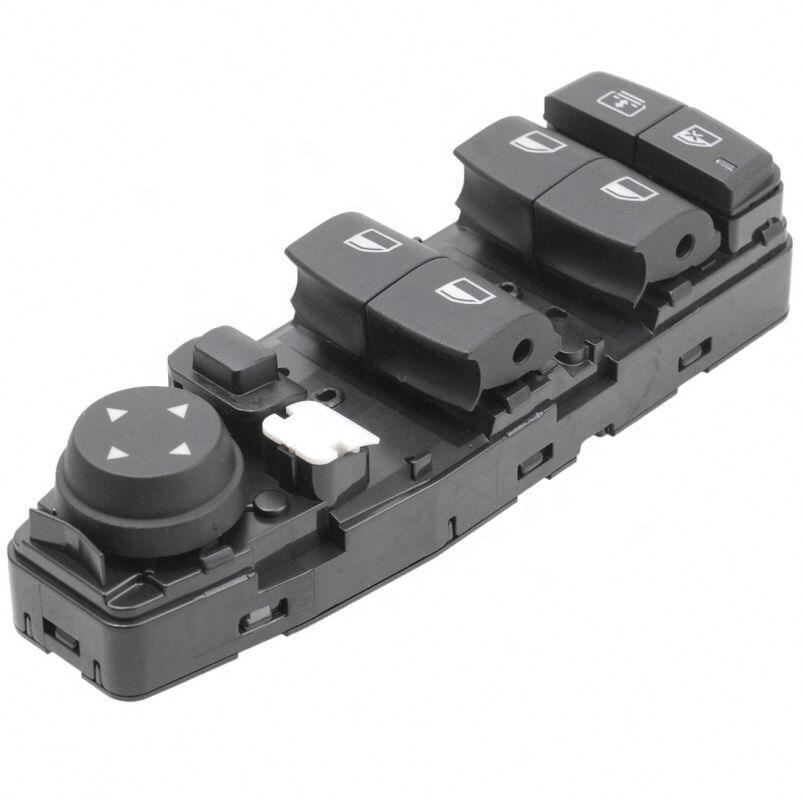
System Integration Readiness: How a Top-Tier Window Switch Factory Supports Modern Automotive Electrical Architectures
BCM Compatibility, CAN/LIN Protocol Support, and EMI-Resilient Signal Design
Today's car designs need something beyond just parts fitting together mechanically. They actually need smart components that can talk to each other properly. When manufacturing quality window switches, factories make sure they work smoothly with the Body Control Module (BCM) by setting standard voltage levels, using easy-to-connect plugs, and adjusting signals regardless of what kind of software is running. CAN and LIN protocols get built right into the product from day one rather than being tacked on later, which means cars can diagnose problems instantly, know where everything is positioned, and coordinate features like anti-pinch safety without any lag or data conflicts. Since there are now about 40% more electronic control units in vehicles compared to 2020, dealing with electromagnetic interference has become absolutely essential for reliable performance. Top manufacturers tackle this challenge with several layers of protection on printed circuits, special wiring arrangements inside components, and carefully designed electrical paths. These solutions have been tested thoroughly to keep signals clear even when exposed to strong electromagnetic fields measuring up to 200 volts per meter according to industry standards. As a result, these systems operate reliably without unwanted triggers throughout all possible temperature conditions, saving time and headaches during final car assembly processes.
Operational Due Diligence: Evaluating a Window Switch Factory’s Scalability, Traceability, and Tier-1 Collaboration Track Record
What really distinguishes good suppliers from true strategic partners comes down to operational maturity. When it comes to scalability, the proof lies in actual performance not just promises. The best suppliers gradually increase production volumes through carefully planned steps, showing they can handle up to 25% changes in demand year over year while still hitting at least 99.3% on time deliveries most of the time. Good traceability goes way beyond simple serial numbers too. Leading manufacturers invest in digital tracking systems that track everything from raw materials all the way through plating processes and final testing stages. This means when recalls happen, investigators can trace components back to their origins within around 90 seconds flat. Working with Tier-1 partners isn't just nice to have either. Factories that maintain proper Kanban systems, have solid records of PPAP executions, and keep tabs on their entire supply chain network tend to cut down integration problems by roughly 40%, according to recent industry research. These capabilities aren't just boxes to check off during audits. They represent real world discipline built into every aspect of how companies operate from engineering right through to shipping products out the door.
Table of Contents
- Why Certification Is the First Filter for a Reliable Window Switch Factory
- Technical Capability: What Truly Distinguishes a Professional Window Switch Factory
- System Integration Readiness: How a Top-Tier Window Switch Factory Supports Modern Automotive Electrical Architectures
- Operational Due Diligence: Evaluating a Window Switch Factory’s Scalability, Traceability, and Tier-1 Collaboration Track Record