 EN
EN

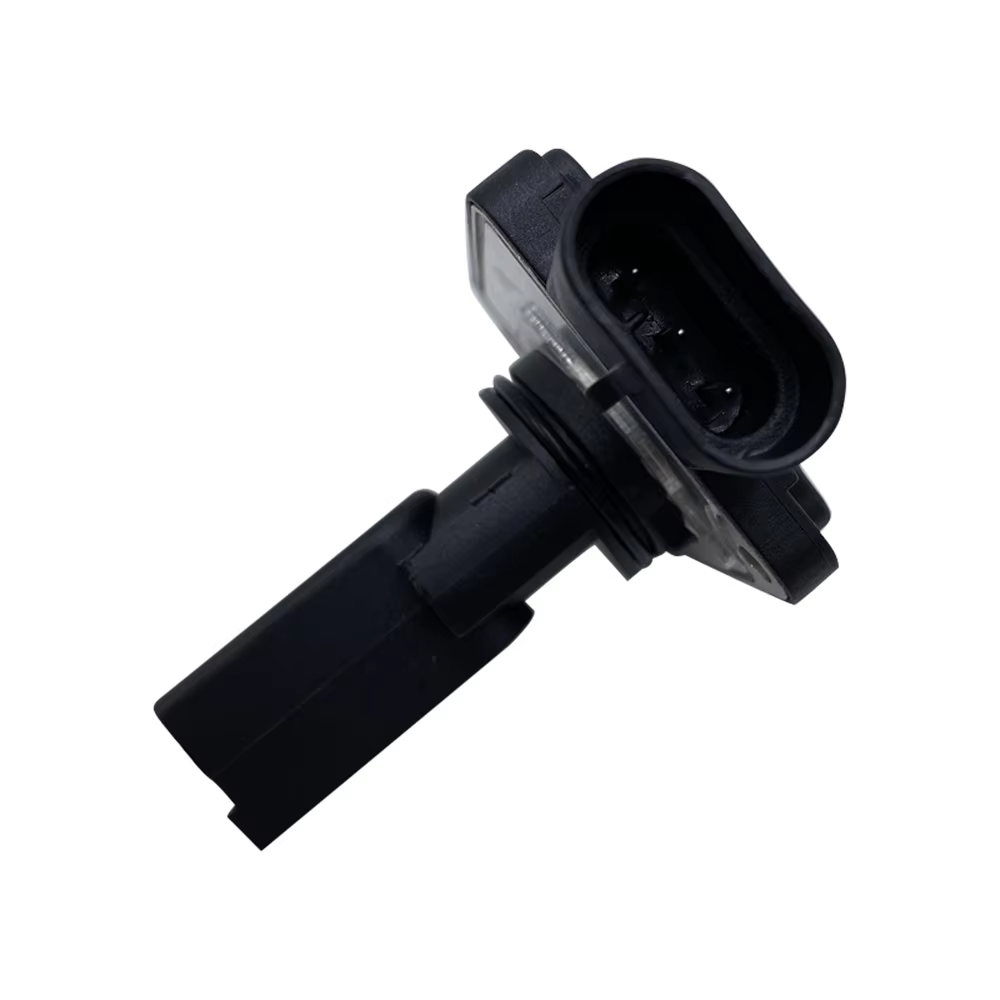
كيف يُثبِّت مقياس تدفق الهواء الكتلي عالي الحرارة نسبة هواء-وقود في ظل ارتفاع شديد في درجات الحرارة
التأخر الحراري وهبوط كثافة الهواء: لماذا تواجه مقاييس تدفق الهواء الكتلي القياسية صعوبات عند درجات حرارة تزيد عن ٤٥°م
تستخدم أجهزة استشعار تدفق الهواء الكتلي القياسية سلكًا أو فيلمًا مسخّنًا، حيث يرتبط معدل تبريدهما بكتلة الهواء الداخل. لكن عند درجات حرارة تفوق ٤٥°م، تظهر مشكلتان مترابطتان تُضعفان دقة القياس: فتنخفض كثافة الهواء بشكل كبير—مما يقلل من كمية الأكسجين في كل وحدة حجم—كما تعاني إلكترونيات المستشعر من التأخر الحراري، ما يؤخر استجابته للتغيرات المفاجئة في درجة حرارة البيئة المحيطة. ويؤدي هذا إلى تقدير أقل لكتلة الهواء الفعلية من قِبل المستشعر، فيُرسل إشارة إلى وحدة تحكم المحرك (ECU) لتوصيل كمية وقود غير كافية. ونتيجةً لذلك، يصبح خليط الوقود والهواء رقيقًا (فقيرًا)، فيرتفع بذلك حرارة الاحتراق، وتزداد انبعاثات أكسيد النيتروجين (NO) × وتزداد هذه الأخطاء سوءًا في المناخات الحارة—مما يؤدي إلى اهتزاز المحرك أثناء الخمول، وضعف في الأداء، وانخفاض ملحوظ في كفاءة استهلاك الوقود.
الدمج بين تعويض درجة حرارة الهواء الداخل (IAT) والمعايرة المبنية على التشتت الحراري في تصميم عداد تدفق الهواء الكتلي للبيئات ذات الحرارة العالية
يتفوق مقياس تدفق الهواء (MAF) عالي الحرارة على هذه القيود من خلال دمج استشعار درجة حرارة هواء الدخول (IAT) والمعايرة الحرارية الدقيقة. وعلى عكس وحدات استشعار درجة حرارة هواء الدخول (IAT) المستقلة، فإن هذا المستشعر يدمج مسبار درجة حرارة معيَّرٍ مباشرةً في مسار تدفق الهواء، ما يمكِّن من التعويض الفوري عن التغيرات في كثافة الهواء. وتتكوّن بنية المستشعر من عنصرين بلاتينيين: أحدهما مُسخَّن نشطًا، والآخر غير مسخَّن ويُستخدم كمرجع، ويقومان بقياس تدفق الكتلة عبر ديناميكيات انتقال الحرارة بدلًا من مقاومة مطلقة. وهذه الطريقة مستقرة بطبيعتها عبر مدى درجات الحرارة القصوى، لأنها تعتمد على نسبي التبديد الحراري، وليس على الخصائص الحرارية الثابتة. ونتيجةً لذلك، يحافظ المقياس على دقة القياس عند درجات حرارة تزيد عن ٥٠°م، ما يسمح وحدة التحكم الإلكتروني (ECU) بالحفاظ باستمرار على نسب الهواء إلى الوقود الاستوكيومترية — حتى أثناء التغيرات الحرارية السريعة. وهذا يلغي تردُّد التشغيل الساخن، ويمنع الانحرافات الخطرة نحو الخلطات الفقيرة، ويدعم كلاً من سلامة الأداء وامتثال الانبعاثات أثناء التشغيل المستمر في ظروف الحرارة العالية.
حماية بيئية قوية: مقاومة الغبار والرطوبة والحرارة في تصميم عداد تدفق الهواء الكتلي عالي الحرارة
الإغلاق المحكم وعناصر الاستشعار المطلية بالخزف تمنع انجراف التلوث
تعمل مقاييس تدفق الهواء الكتلي (MAF) ذات درجة الحرارة العالية في البيئات التي تتداخل فيها عوامل الإجهاد البيئي: الغبار العالق في الهواء، والرطوبة العالية، والتغيرات الحرارية القصوى. وغالبًا ما تفشل أجهزة الاستشعار القياسية عندما تغطي الجسيمات سطوح الاستشعار أو عندما يتسرب الرطوبة عبر ختم غلاف الجهاز، مما يؤدي إلى انجراف التلوث الذي يُشوه القراءات مع مرور الوقت. أما النماذج المتطورة فتتصدى لهذه المشكلات بثلاث طبقات من الحماية: الختم المحكم (الهرميتي) لجميع الوصلات الكهربائية وخطوط التماس في الغلاف يمنع دخول الغبار وبخار الماء؛ والعناصر الاستشعارية المطلية بالسيراميك تقاوم التصاق الجسيمات مع الحفاظ على ثباتها الحراري وقدرتها على امتصاص الصدمات؛ ومعالجات السطح المُقاومة للماء تَصدُّ الرطوبة دون إعاقة تدفق الهواء الطبقي المنتظم. وقد تم التحقق من فعالية هذا التصميم في البيئات الصحراوية والاستوائية والصناعية، حيث يحافظ على معايرة المصنع الأصلية في ظل الظروف القاسية، ويضمن الدقة على المدى الطويل في البيئات التي تتفاقم فيها مشكلات أجهزة الاستشعار التقليدية.
المزايا المتعلقة بتمديد عمر التشغيل وصيانة التنبؤية لمقياس تدفق الهواء الكتلي ذي درجة الحرارة العالية
بيانات الحقل: زيادة متوسط عمر الخدمة بنسبة 42% في أساطيل منطقة مجلس التعاون لدول الخليج العربية (189 ألف كم مقابل 133 ألف كم)
تؤكِّد بيانات الأساطيل الواقعية من منطقة مجلس التعاون لدول الخليج العربية متانةً فائقةً، حيث بلغ متوسط عمر الخدمة للمركبات المزوَّدة بأجهزة قياس تدفق الهواء الكتلي (MAF) المصمَّمة لدرجات الحرارة العالية 189,000 كم — أي أكثر بنسبة 42% من متوسط عمر الخدمة البالغ 133,000 كم للأجهزة القياسية. وينتج هذا التمدُّد في العمر الافتراضي عن مواد مقاومة حراريًّا، ومنها قواعد لوحات الدوائر المطبوعة (PCB) المصمَّمة لتحمل درجات الحرارة المرتفعة، وسبائك البلاتين المستقرّة، وأغلفة بوليمرية معزَّزة، والتي تقاوم التدهور عند درجات حرارة تفوق 45°م. وبذلك، يحقِّق مشغِّلو الخدمات اللوجستية في المناخات الحارة نتائج تتمثَّل في تقليل عمليات الاستبدال غير المجدولة، وانخفاض وقت توقُّف المركبات للصيانة، وانخفاض إجمالي تكلفة الملكية.
مقاييس تراكم دورات الحرارة تتيح استبدال أجهزة الاستشعار بشكل استباقي
وبالإضافة إلى المتانة السلبية، تقوم مقاييس تدفق الهواء الكتلي (MAF) الحديثة عالية الحرارة بتسجيل تراكم الدورات الحرارية—أي تتبع كل حدث كبير لتصاعد درجة الحرارة وما يرتبط به من إجهادات على المكونات. ويُمكّن هذا الصيانة التنبؤية: فبدلًا من استبدال أجهزة الاستشعار وفق فترات قياسية تعتمد على عدد الكيلومترات المقطوعة، يمكن للفنيين التنبؤ بانحراف معايرة الجهاز قبل أن يؤثر ذلك سلبًا على الأداء. وتُفعِّل أنظمة إدارة الأساطيل تنبيهاتٍ عندما يقترب إجمالي الدورات الحرارية من الحد التصميمي المُوثَّق، ما يسمح باستبدال الجهاز خلال فترات الخدمة المُخطَّط لها مسبقًا. والنتيجة هي تحقيق أقصى استفادة من قطع الغيار، وتقليل الأعطال المفاجئة على الطرق إلى أدنى حدٍّ ممكن، والتحكم الدقيق في ميزانيات الصيانة.
التحقق من الأداء في ظروف الاستخدام الفعلي: دراسة حالة طراز تويوتا كامري 2.5 لتر في فينيكس
في فينيكس بولاية أريزونا—حيث تتجاوز درجات حرارة الجو المحيط في فصل الصيف عادةً ٤٥°م—قام المهندسون بتزويد سيارة تويوتا كامري موديل ٢٠٢٠، سعة ٢٫٥ لتر، بمقياس تدفق الهواء (MAF) مُصمَّم للحرارة العالية، وراقبوا أدائها على مدى ثلاثة أشهر من التشغيل في ظروف الذروة الحرارية. وأدى تركيب هذا المستشعر المُحدَّث إلى القضاء على خطأ حساب كثافة الهواء المسؤول عن خليط الوقود الفقير عند ارتفاع درجات حرارة الجو المحيط. وباستثناء جميع الظروف—من حركة المرور المتقطعة إلى القيادة المستمرة على الطرق السريعة—حافظت سيارة كامري على نسبة ثابتة بين الهواء والوقود ضمن هامش ±٠٫٥٪ من النسبة الكيميائية المثلى (stoichiometric). وبقي أقصى قدر من القدرة الحصانية ثابتًا عند ٢٠٣ حصانًا، وتحسَّنت كفاءة استهلاك الوقود بنسبة ٥٪ مقارنةً بالمستشعر الأصلي، وذلك في ظل ظروف قيادة وبيئية متطابقة تمامًا. والأهم من ذلك أن السيارة لم تواجه أي حالات انقطاع أو تردُّد أو مشكلات في القيادة—حتى أثناء ارتفاعات الحرارة في منتصف النهار. ويؤكِّد هذا التحقق الميداني أن ترقية مقياس تدفق الهواء (MAF) ليصبح مُصمَّمًا للحرارة العالية تحقِّق مكاسب ملموسة وموثوقة في الكفاءة، واستقرار القدرة الحصانية، وسهولة القيادة للمركبات التي تعمل في ظروف حرارية قاسية.
الأسئلة الشائعة
ما التحديات التي تواجه أجهزة استشعار تدفق الهواء الكتلي القياسية في درجات الحرارة المرتفعة جدًّا؟
تُعاني أجهزة استشعار تدفق الهواء الكتلي القياسية من التأخر الحراري وانخفاض كثافة الهواء عند درجات حرارة تزيد عن ٤٥°م، ما يؤدي إلى قراءات غير دقيقة لكتلة الهواء، وخلطات وقود فقيرة (أي غنية بالأكسجين)، وزيادة مخاطر المحرك مثل الانفجارات غير المنضبطة (الانفجار العادي) وارتفاع مستويات أكاسيد النيتروجين (NO) × الانبعاثات.
كيف يحسّن عداد تدفق الهواء عالي الحرارة دقة نسبة الوقود إلى الهواء؟
يتكامل هذا العداد مع حساس درجة حرارة هواء السحب (IAT)، ويتم معايرته بدقة باستخدام تقنية التشتت الحراري، ما يسمح بتعويض التغيرات في كثافة الهواء بشكل فوري والحفاظ على دقة القياسات حتى في ظروف الحرارة القصوى.
ما الحماية البيئية التي توفرها أجهزة قياس تدفق الهواء عالية الحرارة؟
تتميز هذه الأجهزة بالإغلاق المحكم (المحكم تمامًا ضد التسرب)، وعناصر الاستشعار المطلية بالسيراميك، ومعالجات رافضة للماء، مما يحميها من الغبار والرطوبة والتغيرات الحرارية المتكررة، ويضمن دقة أدائها على المدى الطويل.
كيف تختلف متانة أجهزة قياس تدفق الهواء عالية الحرارة مقارنةً بأجهزة الاستشعار القياسية؟
تتمتع مقاييس تدفق الهواء الكتلي (MAF) ذات درجة الحرارة العالية بعمر افتراضي أطول بنسبة 42% (189,000 كم مقارنةً بـ 133,000 كم) نظراً لصلابة المواد والتصميم المُستخدمة التي تُصمَّم لتحمل البيئات شديدة الحرارة.
ما الفوائد العملية المحقَّقة عند الترقية إلى مقياس تدفق الهواء الكتلي (MAF) ذي درجة الحرارة العالية؟
أظهرت الاختبارات الميدانية تحسُّناً في كفاءة استهلاك الوقود، وأداءً ثابتاً، وتشغيلًا موثوقاً حتى في ظل درجات الحرارة القصوى، كما هو موضَّح في دراسة حالةٍ أُجريت على سيارة تويوتا كامري في فينيكس بولاية أريزونا.
جدول المحتويات
-
كيف يُثبِّت مقياس تدفق الهواء الكتلي عالي الحرارة نسبة هواء-وقود في ظل ارتفاع شديد في درجات الحرارة
- التأخر الحراري وهبوط كثافة الهواء: لماذا تواجه مقاييس تدفق الهواء الكتلي القياسية صعوبات عند درجات حرارة تزيد عن ٤٥°م
- الدمج بين تعويض درجة حرارة الهواء الداخل (IAT) والمعايرة المبنية على التشتت الحراري في تصميم عداد تدفق الهواء الكتلي للبيئات ذات الحرارة العالية
- حماية بيئية قوية: مقاومة الغبار والرطوبة والحرارة في تصميم عداد تدفق الهواء الكتلي عالي الحرارة
- المزايا المتعلقة بتمديد عمر التشغيل وصيانة التنبؤية لمقياس تدفق الهواء الكتلي ذي درجة الحرارة العالية
- التحقق من الأداء في ظروف الاستخدام الفعلي: دراسة حالة طراز تويوتا كامري 2.5 لتر في فينيكس
- الأسئلة الشائعة