 EN
EN

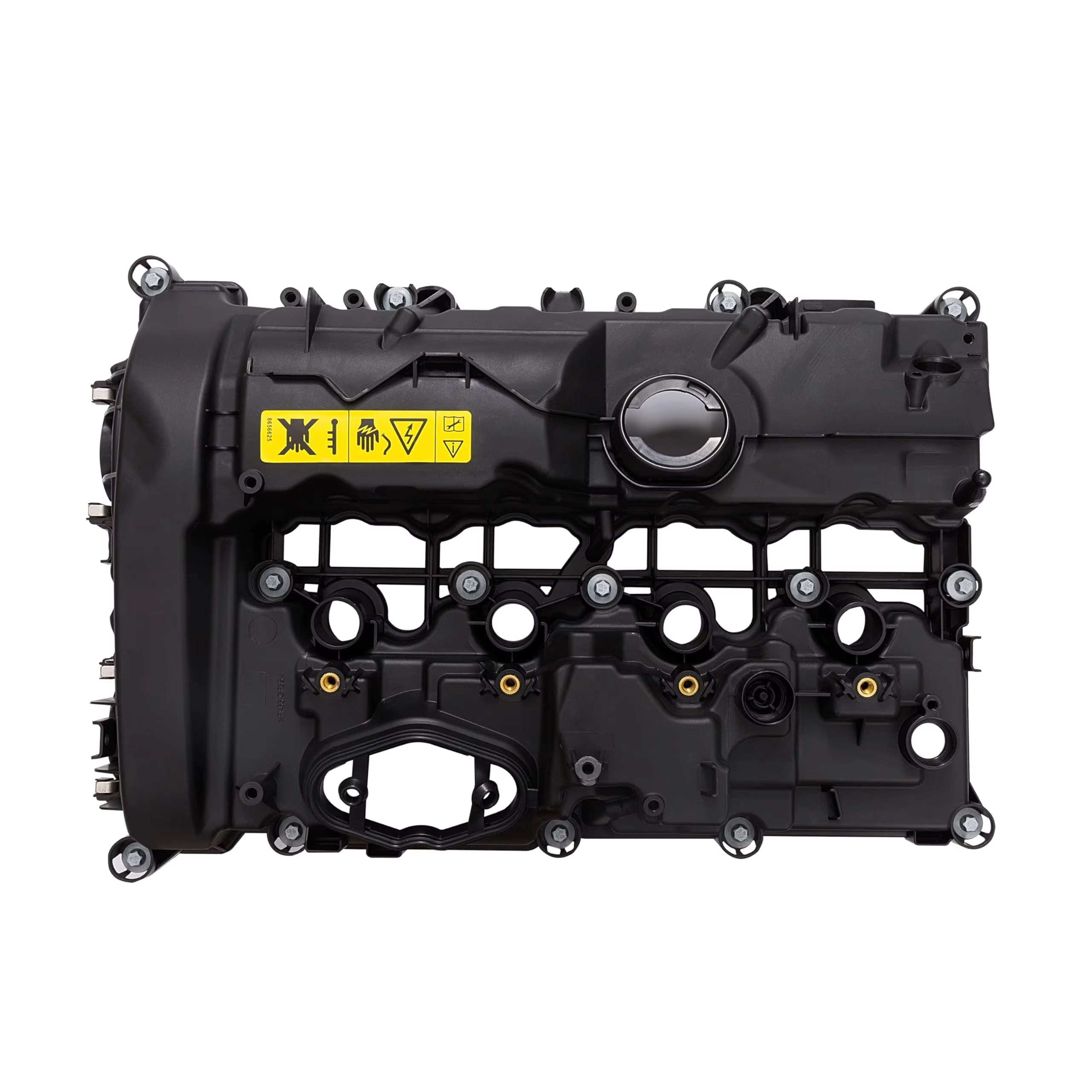
Why the Passenger Car Engine Valve Cover Is Critical for Daily Commuting Reliability
Core sealing function: Preventing oil loss and contamination in stop-and-go traffic
The valve cover on a passenger car engine acts as the main defense line against oil leaks and dirt getting into the system during those long drives through city traffic. When stuck in stop-and-go conditions, engines keep turning on and off repeatedly, which creates all sorts of pressure changes inside the engine compartment. These fluctuations put serious stress on the gasket that seals the valve cover. If this seal gets damaged or worn out, oil starts dripping onto hot parts of the engine, creating that nasty burning smell we all know too well. At the same time, dust particles and moisture find their way into the valve train area. This combination of problems leads to faster wear on the camshaft and makes the oil break down quicker than normal. Good sealing is essential because it keeps the lubrication working properly and stops tiny bits of debris from scratching those finely machined surfaces inside the engine. For anyone doing lots of daily commuting in urban areas, having a reliable valve cover seal means better engine performance over time.
How thermal cycling and vibration in urban driving accelerate seal degradation
The constant back and forth of daily commutes puts valve covers through serious thermal stress. Short trips mean the engine never really gets up to proper operating temperature, and when it does, sudden stops lead to rapid cooling. Every time someone starts their car in the morning, metal parts expand as they warm up. Then those same parts contract quickly when parked again after just a few blocks. This repeated expansion and contraction puts enormous strain on the seals between components. City driving also creates all sorts of vibrations, especially noticeable in newer cars with stop-start technology. These tiny but persistent movements gradually loosen bolts and wear down materials. Traditional cork and rubber gaskets simply aren't built to handle this kind of abuse. Tests conducted across the industry reveal something alarming too: after only 15,000 miles of simulated urban driving conditions, gasket compression loss jumps by around 40%. That's why manufacturers need to rethink their sealing strategies specifically for vehicles stuck in traffic congestion day after day.
Key Symptoms of a Failing Passenger Car Engine Valve Cover During Commuting
Oil leaks, burning odor, and rough idle—early red flags for daily drivers
When cars leave oil puddles on the ground after sitting parked, it usually means the valve cover gasket is shot. These gaskets are basically the first line of defense keeping oil inside where it belongs. The leaked oil tends to gather dirt around the cylinder head area and gives off that unmistakable smell when it hits the hot exhaust parts. Another common problem happens when oil gets into the spark plug wells. This typically causes engines to misfire and run roughly, especially noticeable when stuck at stoplights or in heavy traffic. A recent report from the Automotive Maintenance Institute found something pretty alarming too: about two thirds of those small leaks people ignore end up causing coil pack failures just six months later. So if anyone notices these signs, getting it checked out sooner rather than later can save thousands down the road before major engine issues develop.
Why short-trip commuting worsens gasket fatigue (incomplete warm-up cycles)
Short drives around town really take a toll on engine gaskets because they don't give the engine enough time to warm up properly. Most engines need at least 15 minutes of continuous driving to hit their ideal working temperature. Without that, moisture builds up inside the engine and combines with leftover oil, creating acidic substances that eat away at the gasket material over time. What makes matters worse is how quickly these engines cool down after each stop. The constant heating and cooling causes the metal parts to expand and contract repeatedly, which wears them out faster. Studies have shown that someone making five separate 4 mile trips puts about three times as much strain on their gaskets compared to someone doing one long 20 mile drive. That explains why city drivers tend to experience problems with their valve covers roughly 40% earlier than people who mostly travel on highways, even though they actually drive fewer miles overall.
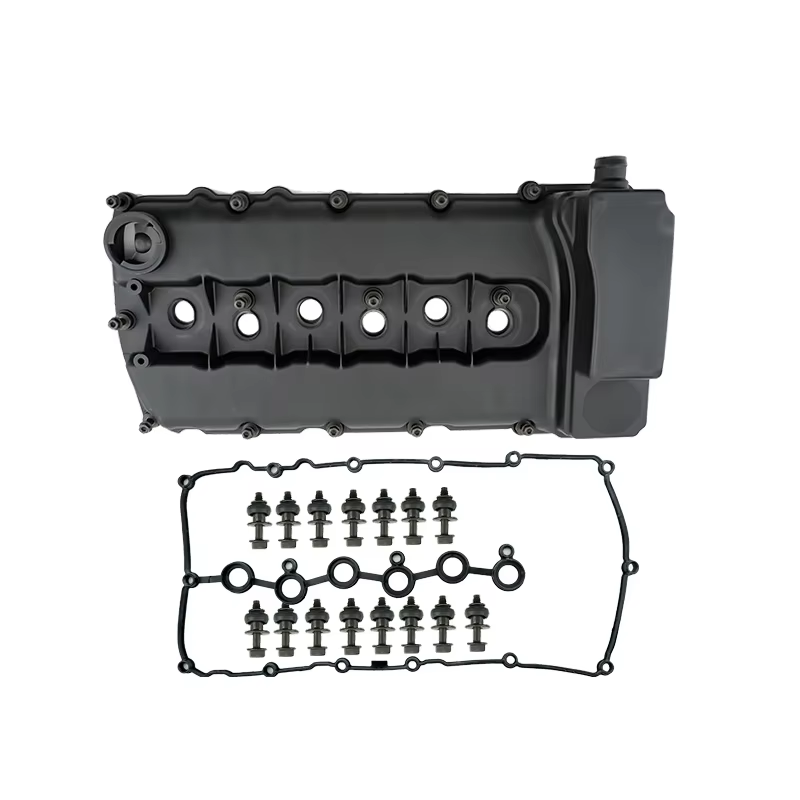
Material & Design Factors That Maximize Durability for Urban Driving
The optimal passenger car engine valve cover material must withstand unique urban commuting stresses—frequent thermal cycling from stop-and-go traffic, sustained vibration, and incomplete warm-up cycles that accelerate material fatigue.
Aluminum vs. PA66-GF30 vs. reinforced polypropylene: Thermal stability and NVH trade-offs
Aluminum conducts heat really well but gets quite expansive when heated repeatedly, which puts extra strain on gaskets over time. Plus, aluminum tends to pass along more engine noise and vibrations throughout the vehicle, making for a less comfortable ride overall. That's where PA66-GF30 glass reinforced nylon comes into play. This material keeps its shape even when temperatures swing around, something most engines experience regularly. And it does a much better job at absorbing those annoying vibrations that drivers typically complain about. Then there's reinforced polypropylene that works wonders at cutting down noise levels inside the cabin. However, this material doesn't handle extreme heat as well as others. Left in hot conditions such as sitting in stop-and-go traffic for hours, parts made from polypropylene might start to warp or deform under pressure.
Real-world validation: GF30 composites show 42% higher fatigue resistance after 100k km urban simulation
Tests that simulate around 100,000 kilometers worth of urban driving show that PA66-GF30 valve covers handle heat stress about 42 percent better compared to their aluminum counterparts. Why? Because the GF30 composite material doesn't crack as easily when engines go through those constant cycles of starting cold and warming up partially again something that happens all the time with people who drive short distances every day. What does this mean practically? Longer lasting seals and much less chance of oil leaks developing over time for regular commuters using these vehicles day after day.
Ensuring Correct Passenger Car Engine Valve Cover Compatibility and PCV Integration
Getting the right passenger car engine valve cover makes all the difference in keeping oil where it belongs and ensuring good engine performance day after day. If the cover doesn't fit just right, then we're looking at potential oil leaks that can mess up spark plugs or get into exhaust parts. This becomes really annoying in city driving with constant stopping and starting. Fitment matters, but so does how well the cover works with the Positive Crankcase Ventilation system. Without proper sealing, this system cant do its job regulating pressure inside the engine and recycling those blow-by gases effectively. Some aftermarket covers simply don't have the right baffles or vacuum ports in place, which throws off pressure balance and leads to higher oil consumption rates around town sometimes up to 15% more than normal. When shopping for replacements, check those OEM specs carefully for bolt holes, gasket contact areas, and built-in PCV channels. Doing so helps keep emissions under control and extends the life of the engine overall.
Table of Contents
- Why the Passenger Car Engine Valve Cover Is Critical for Daily Commuting Reliability
- Key Symptoms of a Failing Passenger Car Engine Valve Cover During Commuting
- Material & Design Factors That Maximize Durability for Urban Driving
- Ensuring Correct Passenger Car Engine Valve Cover Compatibility and PCV Integration