 EN
EN

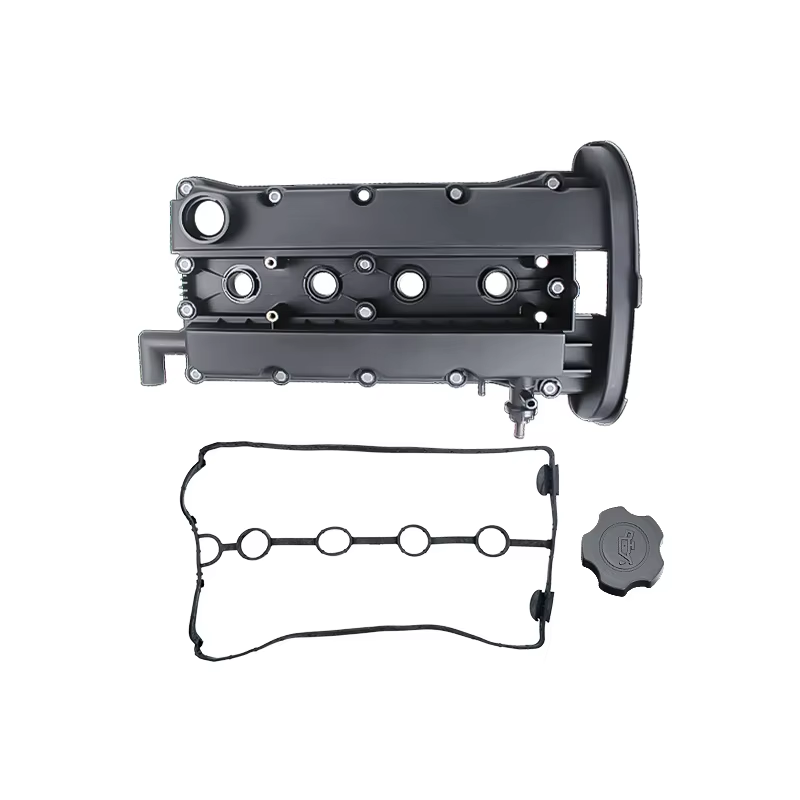
Weight Reduction: How Plastic Engine Valve Covers Enable System-Level Lightweighting
Material Density Advantage: PPA-GF30 vs. Aluminum (1.35 vs. 2.7 g/cm³)
Switching from aluminum to glass fiber reinforced polyphthalamide (PPA-GF30) takes advantage of a significant weight difference between materials. The density alone tells the story: PPA-GF30 clocks in at around 1.35 grams per cubic centimeter compared to aluminum's 2.7 grams per cubic centimeter. This means manufacturers can slash valve cover weight by roughly 40 to 50 percent. For perspective, plastic covers typically come in at 0.6 to 0.8 kilograms whereas their aluminum counterparts tip the scales at 1.2 to 1.5 kilograms. Lighter components translate directly into better performance and improved gas mileage too. According to research published by SAE International last year, cutting a car's overall weight by 10 percent boosts fuel efficiency somewhere between 6 and 8 percent. What makes this material swap even more appealing is how it stands up to extreme temperatures under the hood without cracking or warping. Plus, it doesn't corrode like aluminum does, so there's no need for those extra steps where they apply special coatings or treatments to protect against rust.
Performance Parity: Thermal Stability, Durability, and NVH Benefits of Modern Plastic Engine Valve Covers
Thermal Management Realities: Continuous Use Up to 180°C with Reinforced Polyphthalamide (PPA)
PPA-GF30 materials are designed to handle long term under hood conditions and can withstand constant temperatures as high as 180 degrees Celsius. When compared to aluminum that spreads heat throughout its entire structure, PPA has much lower thermal conductivity around 0.25 W per meter Kelvin. This property actually helps contain heat so it doesn't spread to nearby parts and creates less variation in temperature across the surface of whatever component it's used on. Testing following ISO 16750-4 standards shows these materials don't warp, compress seals, or break down mechanically even after spending 5,000 hours at maximum operating temperatures. The material stays stable enough to maintain its shape and sealing power throughout its service life, which makes designing engine compartments easier and cuts down on complicated thermal management solutions that would otherwise be needed.
NVH Suppression: Inherent Damping of Thermoplastics Reduces High-Frequency Valve Train Noise by 3–5 dB(A)
Valve covers made from thermoplastics offer noise reduction benefits thanks to their molecular damping properties. These covers absorb high frequency vibrations coming from valve train impacts and camshaft harmonics, something metal covers tend to bounce back into the engine bay. When we look at actual measurements, there's typically around a 3 to 5 dB(A) drop in noise levels, which actually makes things inside the car feel about 40% quieter to drivers. This means manufacturers don't have to install extra insulation pads or acoustic foam materials anymore. The noise suppression works right out of the box, cutting down on parts needed and simplifying assembly processes. What's really nice is how this damping stays consistent even when temperatures fluctuate during operation. Elastomeric components often break down or get too stiff after repeated heating and cooling cycles, but thermoplastic covers just keep doing their job reliably over time.
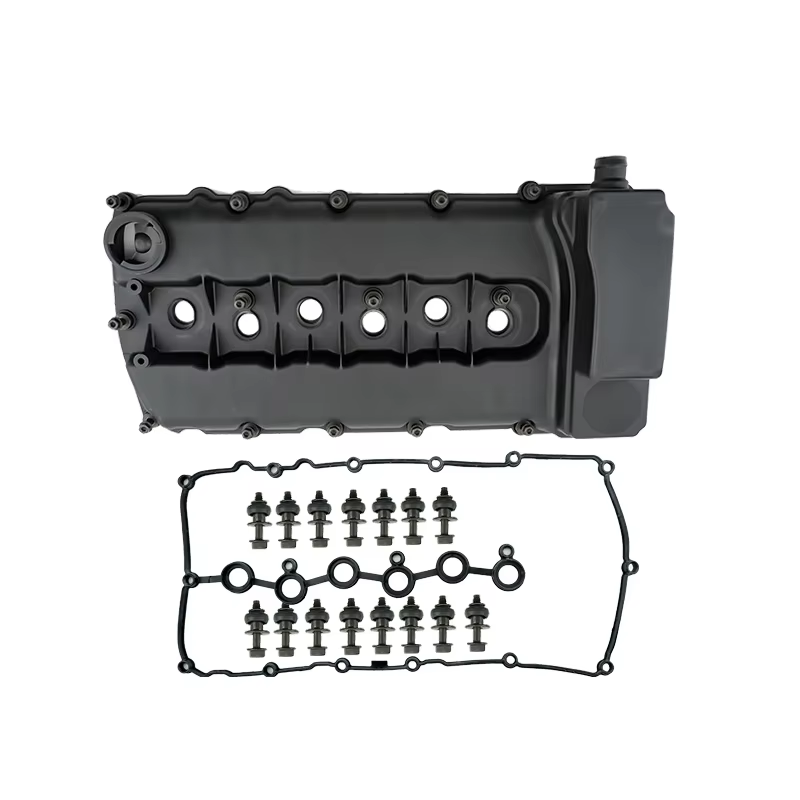
Manufacturing & Sustainability Advantages of Plastic Engine Valve Covers
Design Integration: Single-Part Complexity, Embedded Features, and Reduced Assembly Steps
The injection molding process gives designers options that just aren't possible with traditional die cast metals. Take PPA-GF30 valve covers for instance these parts can actually incorporate things like breather systems, mounting flanges, sensor bosses, oil separators, and even gasket retention features all in one piece right out of the mold. What this means is manufacturers no longer need to assemble anywhere from four to seven separate metal components. Fewer bolts needed, no extra gaskets required, and definitely fewer torque specs to worry about during assembly. The overall assembly process gets cut down roughly 30% according to most estimates. Thermal testing has shown these molded parts maintain their shape over time and stay completely leak proof. And because the fit between the plastic cover and cylinder head is so tight, there are far fewer places where leaks could develop compared to those old fashioned multi part metal setups that shops used to deal with.
End-of-Life Recyclability and Lower Embodied Energy vs. Die-Cast Aluminum
Engine valve covers made from plastic offer some pretty impressive sustainability advantages throughout their entire life cycle. The PPA material used is actually recyclable mechanically, and we're seeing recovery rates above 85% in many car industry take-back programs these days. What really stands out though is how much less energy goes into making them compared to traditional aluminum casting. We're talking about 45 to 60 percent reduction in primary energy consumption because they process at around 300 degrees Celsius instead of the 660 needed for aluminum, plus there's hardly any machining required after molding. Looking at lifecycle assessments, just this lower energy requirement saves about 12 kilograms of CO2 equivalent per unit. And when we factor in the emissions saved during vehicle operation thanks to lighter weight cars, plastic valve covers end up having a carbon footprint that's 22% smaller than their aluminum counterparts. These findings have been backed up by research published last year in the Sustainable Materials Journal.