 EN
EN

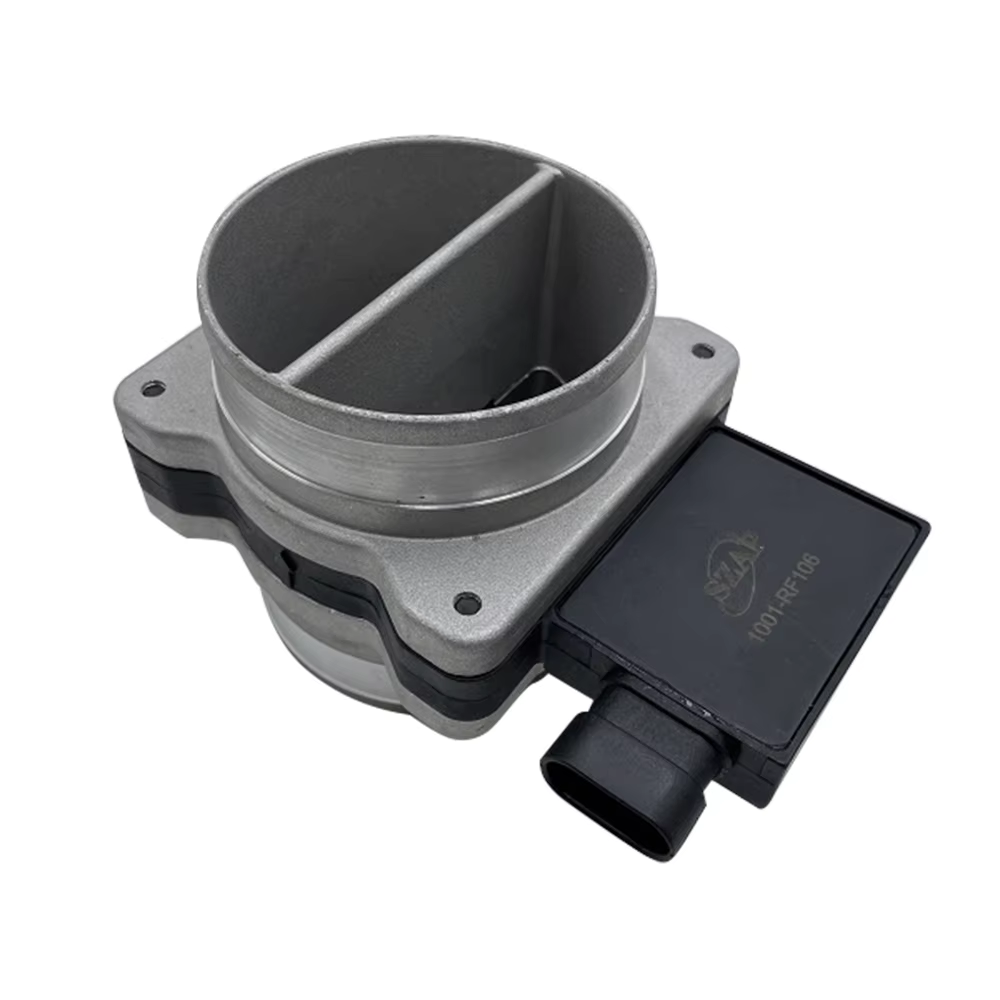
Production Capacity Assessment of a Mass Air Flow Meter Factory
Line Throughput, Automation Level, and Scalability for High-Volume Automotive Demand
For automotive OEM assembly operations, mass air flow meter manufacturers need to maintain production rates over 200 units per hour to avoid creating bottlenecks in the supply chain while keeping accurate measurements intact. Getting there means having automation at least 80% across the board. Most plants achieve this with robotic arms handling assembly tasks, AI systems checking components visually, and calibration stations that stay within plus or minus half a percent accuracy range. The modular setup of these production lines makes it possible to boost output by around 30% when needed, typically within three days notice. Flexible manufacturing cells equipped with tools that can be swapped out quickly let factories switch between different product models without much downtime. Smart maintenance software combined with regular automated testing keeps machines running smoothly most of the time, maintaining equipment availability well above 98 percent even when demand spikes unexpectedly.
Raw Material Sourcing Rigor, Lead Time Reliability, and Just-in-Time Inventory Controls
Sensor reliability starts with raw materials that have passed strict certification under IATF 16949 guidelines. Top manufacturing sites maintain detailed supplier evaluations that track defects below 50 parts per million and ensure deliveries arrive on time over 99.5% of the time. These operations also implement blockchain technology throughout the supply chain, from getting those tiny MEMS wafers all the way through final product assembly. To keep everything running smoothly, statistical process control charts watch important factors like how well polyamide flows when melted and exactly how thick that gold plating gets applied. Companies often work with multiple suppliers for essential components as insurance against supply problems. Just-in-time inventory systems limit buffer stock to no more than 72 hours worth of materials to avoid quality issues down the line. When combined with Kanban systems linked to EDI networks, this approach keeps shipments arriving every 15 minutes or so, cutting warehouse expenses anywhere from 18% to 25% and making sure shelves never sit empty.
Quality Management Systems Specific to Mass Air Flow Meter Manufacturing
IATF 16949 Certification Depth, Process Audits, and Full Traceability from Wafer to Final Test
For making automotive quality MAF meters, getting IATF 16949 certified isn't just something to tick off the list. It's really about building a solid framework that keeps evolving through constant checks on all processes. When auditors come in, they look at everything from how we handle those delicate silicon wafers right through to depositing hot wire sensors, doing thermal calibrations, and running final tests. We use PFMEA techniques throughout to spot problems early before they mess up our production runs. Digital tracking runs deep in our operations too. Every single wafer has its story recorded from where it came from, what settings were used during machining, and results from all tests. All this info gets stored securely using blockchain technology so if anything goes wrong in the field later on, we can quickly contain issues at the batch level. The real benefit? Fewer warranty headaches because we know exactly which production batches caused failures. Facilities with proper IATF certification typically see around 30% reduction in customer complaints according to recent data from Automotive Quality Benchmark (2023).
Accuracy Validation and Calibration Integrity for Mass Air Flow Meters
How Fluid Dynamics, Mounting Conditions, and Ambient Variability Affect Real-World Output Stability
Getting accurate readings in real world situations isn't just about having good sensors it also comes down to how air actually moves through the system. When there are bumps or blockages in ductwork, the resulting turbulence can throw off measurements by as much as 5%. Where we place these sensors makes all the difference too. Putting them within five pipe diameters after a bend creates problems because the airflow gets disrupted, causing around 2 to 3% error in stability readings. Environmental factors only make things worse. Temperature changes of plus or minus 10 degrees Celsius affect thermal responses by about 1.2%. Humidity fluctuations between 30% and 90% create roughly 0.8% drift, while pressure differences of 10 kPa mess with density calculations by 1.5%. The best manufacturers fight back against these issues by testing their equipment through over 500 thermal cycles in controlled environments. They also build in special software that adjusts for these variations so they can keep accuracy within 1% even when combustion parameters stay below 2% tolerance levels.
Calibration Traceability to ISO/IEC 17025-Accredited Labs and OEM-Specific Tolerance Verification
To maintain proper calibration, there needs to be continuous traceability back to international standards through labs accredited under ISO/IEC 17025. These labs keep measurement errors well within 0.25%, and they regularly check NIST-traceable reference instruments every three months. Car manufacturers typically set much stricter requirements compared to general industry standards. For example, many require no more than plus or minus 0.75% error across the full scale, whereas most industries accept up to 1.5%. The verification process has two main steps. First comes the standard static calibration done at certified facilities. Then there's the specific dynamic testing required by each original equipment manufacturer. This second test actually mimics real world conditions including precise mounting positions, vibration patterns, and even the shape of air intake ducts. Every calibrated device gets its own unique digital record with important details like when it was last checked, which equipment was used during testing, and who performed the work. This creates complete documentation throughout the product's life without needing to repeat information unnecessarily.
Audit-Ready Evidence: From Lab Reports to Field-Proven Reliability
Reputable manufacturers of MAF meters validate their products across multiple levels, starting from laboratory grade measurements all the way through to actual field performance. Calibration certificates that follow NIST standards (according to ISO/IEC 17025:2017) confirm how accurate these sensors are when tested in controlled environments. These certificates detail important environmental factors like about half a percent full scale drift at 85 degrees Celsius and can handle humidity levels ranging from zero to ninety five percent relative humidity without condensation issues. What happens in the real world matters too. Real data from vehicle fleets shows less than 2.5% difference over millions of miles driven, even when intake air temperatures swing dramatically between minus thirty and one hundred twenty degrees Celsius. For accelerated life testing, companies run protocols that match what original equipment manufacturers require, including surviving one thousand cycles of extreme temperature changes from negative forty to one hundred thirty degrees Celsius. Raw materials used in production get tracked using either blockchain technology or secure databases that cannot be altered, connecting each batch directly to final product testing outcomes. This comprehensive approach to quality assurance meets the requirements set out in IATF 16949:2016 standards and has been shown to reduce time needed for OEM qualification processes by around forty percent according to recent surveys among Tier-1 automotive suppliers in 2024.