EN
EN

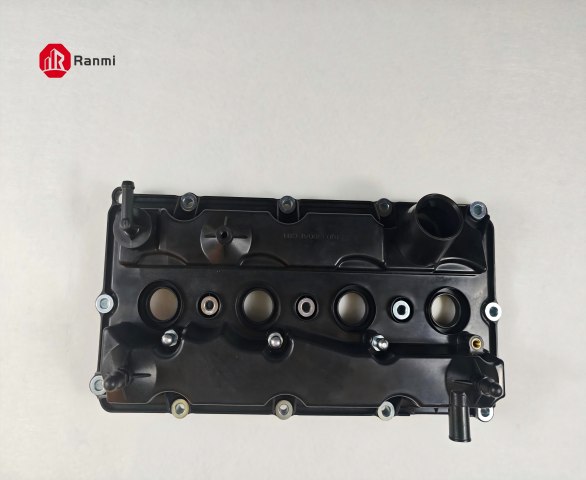
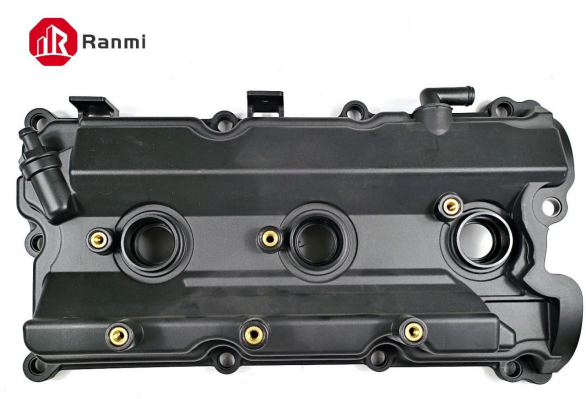
Quick Answer: The oil pan (also called sump) sits at the bottom of the engine, holds 4–8 liters of motor oil, and serves as the oil reservoir. The valve cover sits at the top of the engine, retains splashed oil from the camshafts, and houses the PCV system. Both are sealed to the engine block/cylinder head via gaskets, both are common aftermarket parts, but they have fundamentally different stress profiles and manufacturing processes.
Side-by-Side Comparison
|
Attribute |
Oil Pan |
Valve Cover |
|
Engine location |
Bottom |
Top |
|
Function |
Oil reservoir |
Valvetrain enclosure |
|
Typical material |
Stamped steel, cast aluminum, or plastic |
Glass-filled nylon or cast aluminum |
|
Approximate weight |
3–10 kg |
0.5–3 kg |
|
Manufacturing |
Stamping or die casting |
Injection molding or die casting |
|
Replacement difficulty |
High (engine support required) |
Low (top-mounted, easy access) |
|
Aftermarket volume share |
~25% of engine sealing parts |
~75% of engine sealing parts |
|
Typical service interval |
200,000+ km |
100,000–150,000 km |
Why Oil Pans Fail Less Often
Oil pans are mostly stamped steel or cast aluminum. Steel pans rust from external road salt exposure but rarely fail thermally. Aluminum pans crack only from mechanical impact (curb strikes, off-road damage). This is why oil pans represent a smaller aftermarket segment — they don't wear out at the same rate as plastic valve covers.
Why Valve Covers Drive Aftermarket Volume
Valve covers experience:
- Continuous heat cycling (cold start to 110°C operating temperature, hundreds of times per year)
- PCV chemical attack (blow-by gases contain unburned fuel, water, and acids)
- Thermal aging of plastic (most modern valve covers are polymer; they embrittle over time)
- Ignition coil heat (modern direct-ignition designs put coils directly on the cover, adding heat load)
These factors combine to make valve covers a consumable rather than a lifetime part. Factory data from Ranmi shows that valve covers represent 75–80% of total engine sealing-parts revenue, with oil pans contributing the remaining 20–25%.
Sourcing Considerations
For oil pans:
- Steel pans require corrosion-resistant coating (ED-coat or zinc-rich primer)
- Aluminum pans require dimensional accuracy at the gasket flange (±0.2 mm)
- Plastic pans (BMW N20 with integrated module) require precise multi-shot molding
For valve covers:
- Glass-filled nylon requires verified mold flow and weld-line strength
- Aluminum covers require defect-free die casting (no porosity in sealing surface)
- Both require 100% air-tightness testing before shipment
Ranmi/Nansen Catalog Coverage
The Ranmi catalog (March 2026 edition) lists approximately:
- 150+ valve cover SKUs across Japanese, Korean, European, American, and domestic Chinese platforms
- 18+ oil pan SKUs primarily for Hyundai/Kia (Elantra, Sonata, Sorento, K3/K5) plus Toyota Avensis, Honda, and BMW N20
Total SKU mix matches global aftermarket demand: roughly 90% valve covers / 10% oil pans by unit count, reflecting both engineering reality and end-customer purchase patterns.
FAQ
Q1: If a valve cover and oil pan share an engine, can I source them from the same factory? Yes — Ranmi/Nansen produces both for the most popular Hyundai/Kia, Toyota, and Nissan engine families, allowing single-source procurement and consolidated containers.
Q2: Are oil pans more expensive than valve covers? On a per-unit basis, oil pans cost 1.5–3× more than the equivalent valve cover due to greater material content and longer machining time. But aftermarket sales volume is much lower, so revenue per SKU evens out.
Q3: Which fails first in a typical vehicle? Valve cover (gasket leak) typically appears at 80,000–150,000 km. Oil pan failure (rust or impact) usually appears after 200,000 km or specific damage events.