 EN
EN

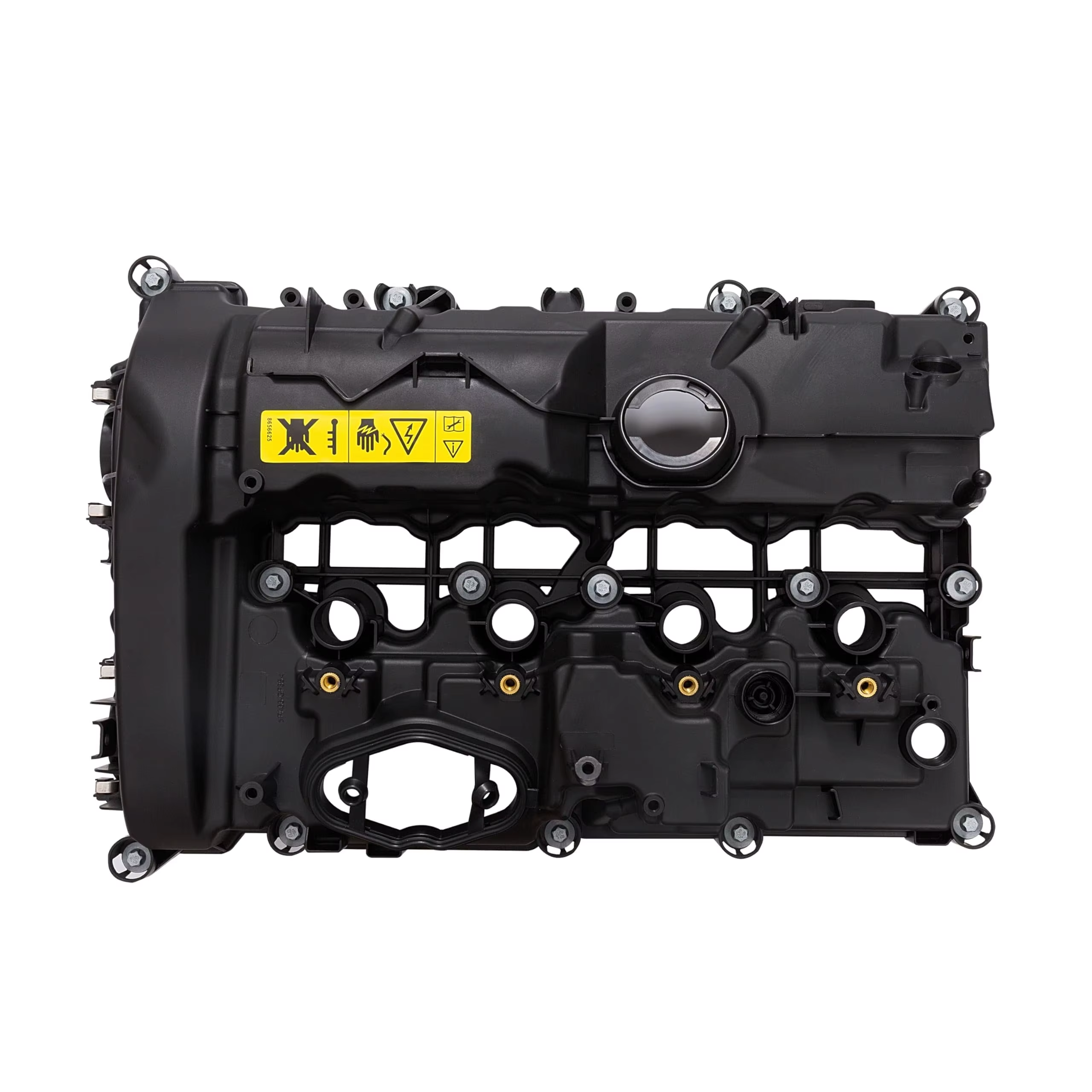
Prioritize OEM-Specific Validation and Platform Coverage
Why BMW, Toyota, and Ford-Specific Certification Matters for Fit and Function
Looking for an automotive engine valve cover manufacturer? Focus on those who have brand specific certifications from major OEMs including BMW, Toyota, and Ford. These certifications basically mean the parts fit within tight dimensional limits around +/- 0.2 mm and use materials exactly as specified by each engine type. Take Ford as an example their certified valve covers go through over 200 thermal cycles just to check if the gaskets hold up properly on EcoBoost engines. Why does this matter? Because oil leaks account for roughly 23 percent of all failures seen with non OEM parts according to SAE research from 2023. Skip these certifications at your own risk small issues with how bolt holes line up or what the surface looks like can really mess with the seal. And when that happens, expect warranty claims running about $1,200 each time. What makes manufacturer specific testing so valuable? It takes into account things like how fast aluminum blocks expand when heated and where sensors need to be placed something regular ISO standards simply don't address properly.
How Cross-Platform Testing Reduces Installation Risk Across Engine Families
Cross-platform validation exposes valve covers to diverse engine architectures—from Toyota's GR-series to GM's LS V8s—simulating real-world installation variables:
| Test Parameter | Single-Platform Risk | Cross-Platform Solution |
|---|---|---|
| Bolt torque sequencing | 18% misalignment | Adaptive flange design |
| Thermal cycling | 32% gasket shrinkage | Material stress mapping |
| Vibration resonance | 41% seal fatigue | Engine-specific dampening |
This approach identifies failure modes like warping under turbocharged heat loads or resonance cracks in hybrid applications. Manufacturers conducting 3+ platform tests reduce installation errors by 57% (IATF 2022) by adjusting ribbing patterns and bolt boss geometries—ensuring consistent performance whether the cover mounts on a BMW B48 or Ford Coyote engine.
Confirm Technical Compliance with OEM Engineering Standards
Finding a trustworthy maker of automotive engine valve covers means checking if they meet those strict OEM specs. These engineering standards are there for good reason too - they control important factors that stop problems like oil leaks, early gasket breakdowns, and actual engine damage. When manufacturers don't follow these rules, it can wipe out warranties and create serious safety issues. According to research published in the Automotive Quality Journal last year, around two thirds of all sealing problems with aftermarket parts come down to just minor differences in size measurements. That's why getting it right matters so much in the long run.
Dimensional Tolerances, Surface Finish, and Torque Sequence Accuracy
Precision in these three areas determines long-term reliability:
- Dimensional tolerances must align with cylinder head mating surfaces within ±0.1 mm. Exceeding this threshold causes uneven gasket compression; turbocharged engines, for instance, require castings within 0.05 mm flatness to withstand thermal expansion.
- Surface finish roughness (Ra ≤ 3.2 μm) ensures optimal gasket adhesion. Smoother finishes prevent micro-leak paths, while porous textures accelerate oil seepage.
- Torque sequence accuracy prevents warping. Cross-pattern tightening at OEM-specified values (e.g., 8 Nm ±10%) maintains uniform load distribution—incorrect sequences increase leak rates by 300% after thermal cycling (Global Automotive Standards Report 2024).
| Compliance Factor | Impact | OEM Requirement |
|---|---|---|
| Dimensional Accuracy | Prevents misalignment & leaks | ±0.1 mm flatness |
| Surface Roughness | Ensures seal integrity | Ra ≤ 3.2 μm |
| Torque Application | Avoids cover distortion | Sequential cross-pattern |
Manufacturers must verify compliance through coordinate-measuring machines (CMM) audits and pressure decay tests. Third-party validation reduces installation errors by 40% compared to self-certification.
Go Beyond ISO: Validate Real-World Sealing Performance
For an automotive engine valve cover manufacturer, relying solely on International Organization for Standardization (ISO) certifications is insufficient—real-world validation under operational stresses is critical to prevent leaks and ensure durability.
Leak Testing Protocols Under Thermal Cycling and Vibration Stress
When it comes to testing seal integrity, manufacturers need to recreate actual engine conditions such as thermal cycling where parts get heated up to around 120 degrees Celsius repeatedly and then cooled down again. They also have to deal with high frequency vibrations that happen inside engines. According to recent data from the Automotive Reliability Report in 2023, roughly one third of all those pesky valve cover leaks actually come from problems related to thermal expansion that wasn't properly accounted for. The standard practice now includes running pressure decay tests while going through these temperature changes because materials tend to expand when hot and shrink back down when cold, which can cause gaskets to fail over time. Testing for vibrations is another critical step too. By subjecting components to vibrations similar to what happens during normal engine operation between say 50 and 200 hertz range, engineers can spot potential issues before they become real problems on the road. This helps ensure that seals will hold up against various stresses encountered during regular driving without affecting how well everything works together.
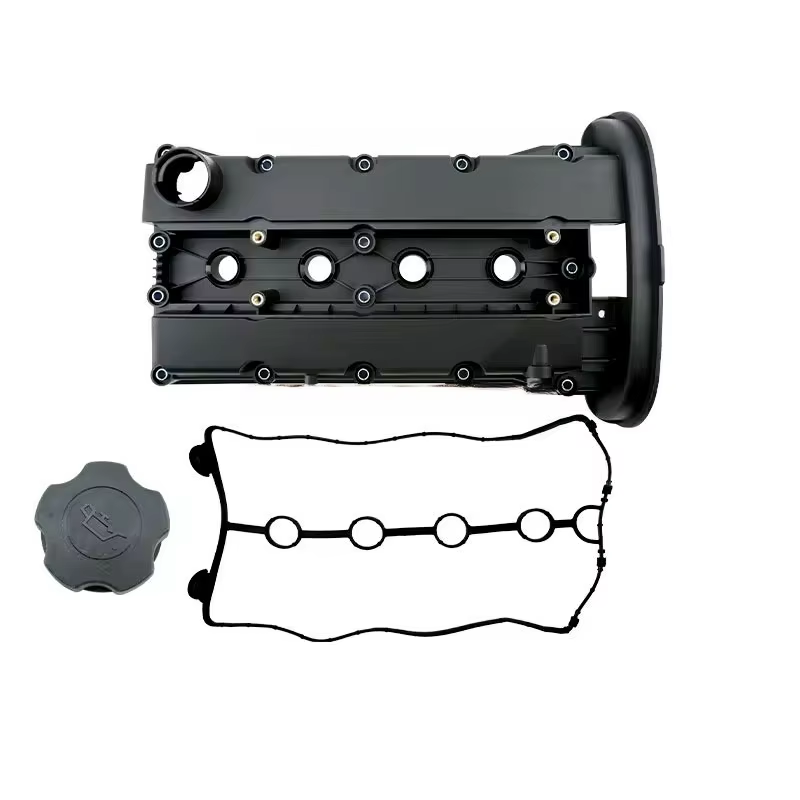
Failure Mode Analysis in Gasket Integration and Long-Term Seal Integrity
Failure mode analysis is all about finding out what goes wrong with gasket systems, whether it's materials breaking down over time or just plain old bad installation practices. The testing process isn't pretty either. Engineers put seals through their paces by subjecting them to harsh conditions like oil exposure and extreme temperatures for literally thousands of hours straight. This tells us how well these components will hold up when actually installed in real equipment. Looking at how cracks spread through rubber materials has become a standard practice now, and this approach can cut down on leaks by around 25% across the entire life of a vehicle according to recent industry reports from Sealing Technology Review back in 2023. Getting the basics right matters too. When manufacturers pay attention to details like surface finishes and making sure bolts are tightened properly, they get better seals that work reliably even when subjected to constant movement and vibration. Nobody wants to deal with expensive product recalls after all.
Assess Scalable Manufacturing Capability for Custom and Volume Needs
Selecting an automotive engine valve cover manufacturer requires verifying scalable production systems that adapt to both specialized custom orders and high-volume batches. True scalability means maintaining precision tolerances under fluctuating demands—whether producing 50 prototype units or 5,000+ standardized covers. Critical evaluation points include:
- Production Capacity Flexibility: Assess machinery versatility for rapid transitions between custom geometries and bulk runs without tooling delays.
- Material Pipeline Resilience: Confirm redundant supplier networks preventing shortages during volume surges.
- Quality Control Automation: Prioritize manufacturers using AI-driven inspection systems that sustain defect rates below 0.1% at any scale.
Manufacturers without tiered production protocols risk leakage failures when scaling—thermal stress testing reveals 37% of covers fail OEM vibration standards when rushed from prototype to mass production. Always request validation reports from pilot runs matching your target volumes.