 EN
EN

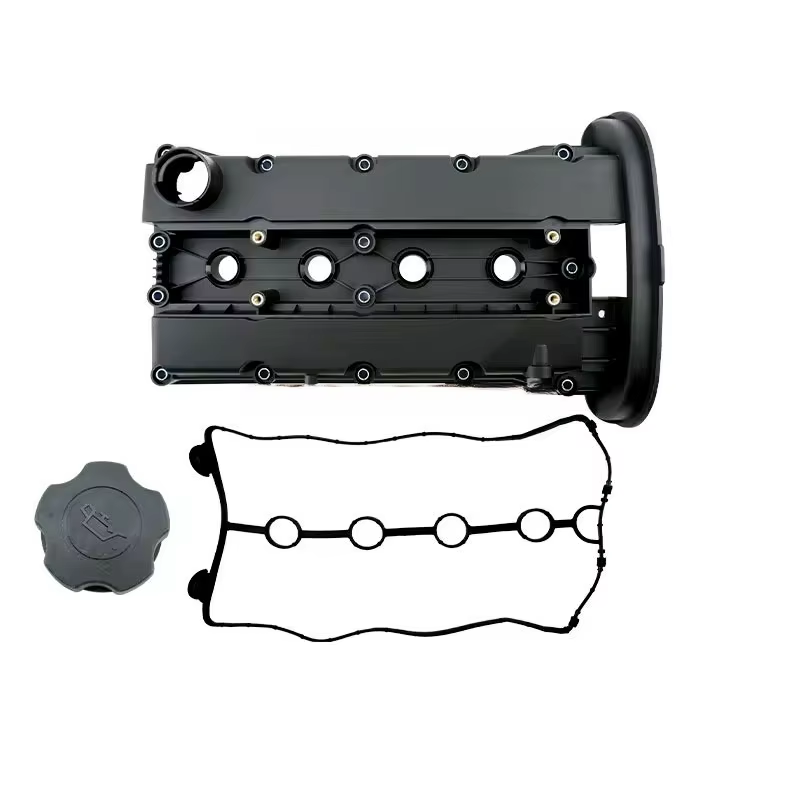
Material Selection: Balancing Strength, Weight, and Thermal Resilience in a Durable Engine Valve Cover
Aluminum Alloys vs. Reinforced Composites: Real-World Mileage Data and Heat-Cycle Endurance
Aluminum alloys offer better heat dissipation properties along with impressive strength relative to their weight, making them ideal choices for engine valve covers that need to last. Tests conducted across the industry indicate that aluminum valve covers can handle well over 200 thousand miles of repeated heating and cooling without showing any signs of distortion. Meanwhile, those reinforced composite alternatives start breaking down when temperatures exceed around 150 degrees Celsius. When we run heat cycle tests in controlled environments, what we find is that composite materials tend to form tiny cracks after approximately 1,500 cycles. Aluminum on the other hand keeps its shape intact for more than double that number of cycles. The reason behind this durability lies in aluminum's ability to conduct heat efficiently, roughly 200 watts per meter Kelvin. This characteristic helps spread out heat evenly instead of letting it build up in specific areas where it would otherwise cause premature wear. While some high end composite options do manage to cut weight by as much as 40%, these savings come at a cost. Under extended periods of operation, especially when subjected to constant pressure, aluminum remains stable whereas composites tend to warp. This warping issue creates problems with maintaining proper gasket compression and ultimately affects how reliable the seals remain over time.
Why Annealed Cast Aluminum Remains the Benchmark for Durable Engine Valve Cover Longevity
Annealed cast aluminum has become pretty much standard in the industry because it stands up really well to thermal fatigue issues. When they go through the annealing process, it basically gets rid of those internal stresses that build up inside the metal. This lets the material handle all those repeated heating and cooling cycles without developing tiny cracks. Field tests show that these annealed covers stay dimensionally stable with less than 0.1 mm variation even after going through over 500 thermal cycles. That's about three times longer than what we see with non-annealed options. The stability helps keep gaskets properly sealed and stops oil from leaking out, which is exactly what tends to happen with cheaper materials. Plus, the material's ability to bend just enough during engine vibrations actually slows down how cracks spread when they do start forming. Sure, composite materials save a little bit of weight, but nothing matches the real world performance of annealed aluminum. Most shops report getting at least 10 years of trouble free operation from parts made with this stuff in tough thermal conditions, which makes it hands down the best value for money when looking at long term reliability.
Precision Engineering for Leak-Free Sealing: Flatness, Gasket Interface, and Torque Stability
Flatness Tolerance (<0.05 mm) and Its Critical Role in Preventing Oil Leaks Over Time
Keeping surface flatness below 0.05 mm matters a lot when trying to stop oil from leaking out during those temperature changes engines go through. When surfaces aren't flat enough, they form tiny channels where oil can escape, and things get worse because heat makes these small flaws look much bigger - sometimes growing by three times their original size while the engine runs. That's why precision grinding work is so important for getting even pressure on the gasket when tightening bolts between 18 and 22 foot pounds. The numbers back this up too. Parts that are off by more than 0.1 mm flatness tend to leak about 35% more frequently after driving around 50k miles, based on what SAE reported last year. Good machining practices also help avoid spots where stress builds up and starts breaking down seals over time. Real world testing shows quality valve covers maintain their shape through over 100 heating cycles without showing any noticeable warping, which means they keep performing reliably mile after mile.
Gasket Material Compatibility: Matching FKM (Viton®) or Nitrile to Your Engine’s Thermal Profile
Selecting the right gasket material is critical to preventing chemical degradation and extrusion failures:
| Material | Temp Range | Best For | Failure Risk |
|---|---|---|---|
| FKM (Viton®) | -20°C to 200°C | Turbocharged engines | Swelling in biodiesel |
| Nitrile | -40°C to 120°C | Conventional oils | Cracking above 130°C |
FKM works great in situations where there's lots of heat and pressure, especially when synthetic oils are involved, though it gets pretty stiff when temperatures drop below freezing point. Nitrile rubber holds up well in colder environments and plays nicely with standard lubricants, but it doesn't last long near exhaust systems where things get really hot. According to some recent industry data from ASTM in 2023, around three quarters of early seal failures happen because folks picked the wrong material for their gaskets. When choosing gasket materials, don't just look at what happens during peak operating temps. Take into account all the conditions the engine actually faces day to day across its entire service life.
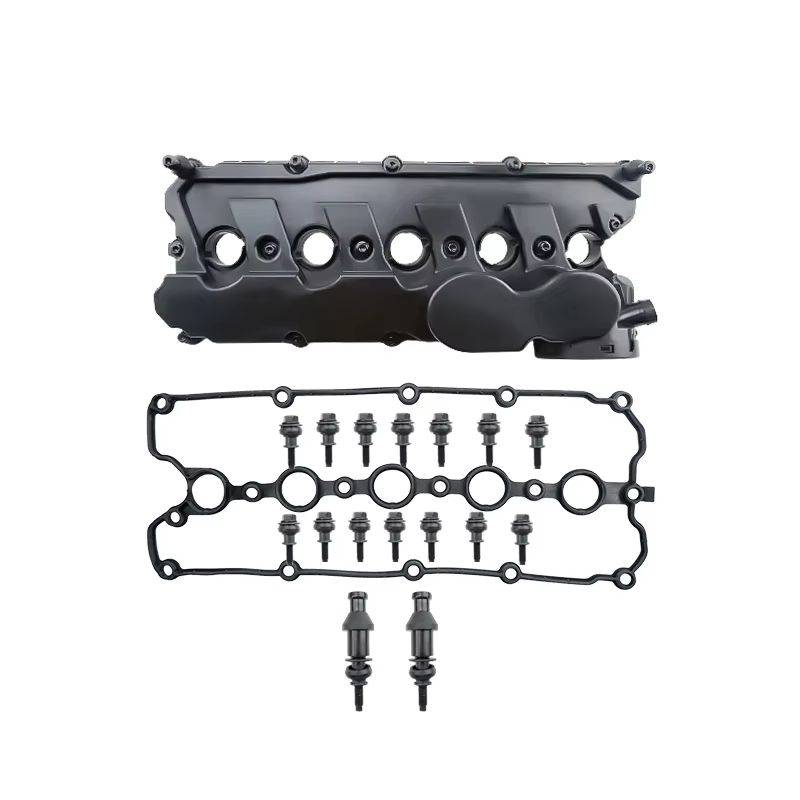
Functional Design Elements That Proactively Extend Service Life Beyond Base Material Limits
Integrated PCV Baffle Geometry: Reducing Oil Carryover and Internal Pressure Stress
The shape and layout of PCV baffles really matters when it comes to how long a valve cover lasts. When engineers create those special separation areas inside, they're able to trap most of the oil mist before it gets into the intake system. Field tests show this can cut down on oil carryover by around 70%, which is pretty impressive. At the same time, those maze-like channels inside help keep crankcase pressure under control. Nobody wants to see pressure go past 8 psi because that starts warping covers and messing with gaskets. The whole point of these designs is fighting off two big problems: first, the buildup of oil sludge that wears things down faster, and second, the stresses from high pressure that crack things at microscopic levels. With better PCV systems, covers stay sealed much longer than their basic materials should allow, giving mechanics fewer headaches over time.
Common Failure Triggers: How Operational Missteps Accelerate Degradation of a Durable Engine Valve Cover
Thermal Cycling Fatigue and Overtightening: SAE-Validated Causes of Cracking and Seal Failure
The main reasons for early valve cover failures according to SAE standards are thermal cycling fatigue and when bolts get tightened too much. When engines run hot around 200 degrees Fahrenheit then cool down again, the metal expands and contracts repeatedly. This back and forth creates tiny cracks that eventually grow into bigger problems we can actually see. According to SAE studies, about 6 out of 10 high mileage failures come from these kinds of stresses building up over time. Another big issue comes from tightening bolts past what the manufacturer recommends. Going just 15% over the specified torque squishes the gasket so much it loses its ability to spring back, warps the surfaces, and leaves spots where oil starts leaking through gradually as the seals break down. These mistakes tend to focus their damage right where the structure is weakest like around bolt holes, corners, and where different parts meet. To avoid these issues, mechanics need proper torque wrenches and manufacturers should design covers with extra reinforcement in those vulnerable areas.
Table of Contents
- Material Selection: Balancing Strength, Weight, and Thermal Resilience in a Durable Engine Valve Cover
- Precision Engineering for Leak-Free Sealing: Flatness, Gasket Interface, and Torque Stability
- Functional Design Elements That Proactively Extend Service Life Beyond Base Material Limits
- Common Failure Triggers: How Operational Missteps Accelerate Degradation of a Durable Engine Valve Cover