 EN
EN

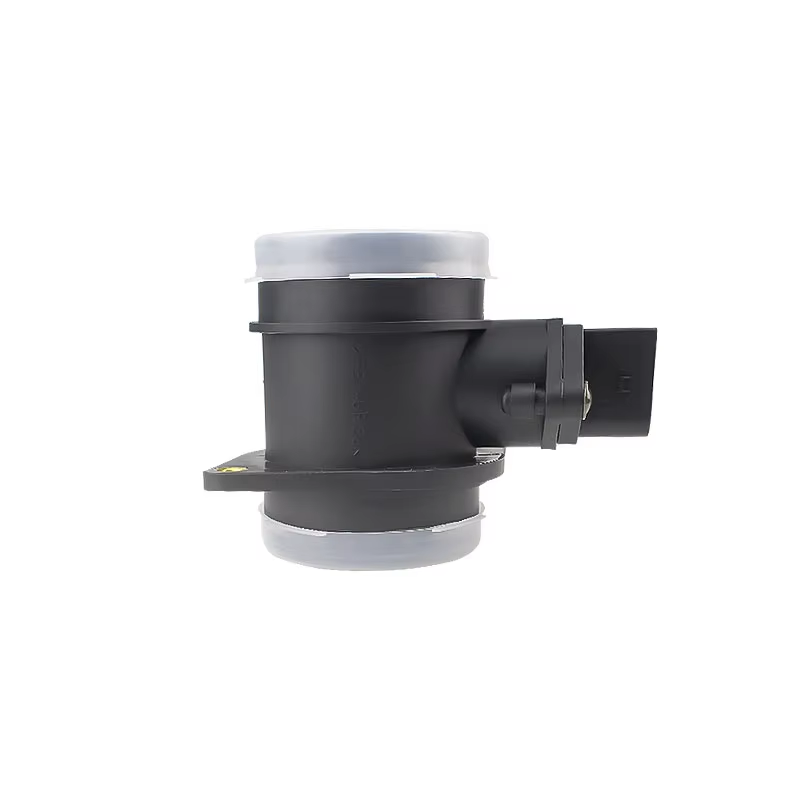
Clarify Application Requirements Before Engaging a Mass Air Flow Meter Manufacturer
Define Critical Operating Parameters: Flow Range, Gas Composition, Temperature, and Pressure
Before approaching any mass air flow meter manufacturer, clearly define the four foundational operating parameters: flow range, gas composition, temperature, and pressure. The flow range—minimum and maximum expected flow rates—directly determines sensor selection; too narrow a range risks saturation, while an overly wide one compromises accuracy in your typical operating zone. Gas composition is equally decisive: a meter calibrated for dry air will yield significant errors with humid air, nitrogen, or corrosive gases due to changes in thermal conductivity and specific heat. Temperature and pressure affect gas density and viscosity—key variables in thermal mass flow measurement—so mismatches between specified and actual conditions introduce measurable drift. Document each parameter with realistic tolerance bands—for example: “10–500 SLPM, compressed air at 20 °C ±5 °C and 6 bar ±0.5 bar.” Providing this precise context early enables the manufacturer to select appropriate calibration curves, flow body geometry, and electronics—avoiding costly redesigns and delays.
Identify Environmental Conditions and Integration Constraints for Real-World Validation
Equally important are the physical and operational conditions where the meter will be installed. Ambient extremes (e.g., –40 °C to +85 °C), high humidity, vibration, dust, or chemical exposure can degrade performance and shorten service life. A meter mounted near a compressor discharge, for instance, may suffer from pulsation or rapid thermal transients that destabilize readings. Integration constraints—including available mounting space, pipe diameter, upstream/downstream straight-run requirements, and electrical interface compatibility (e.g., 4–20 mA, Modbus, CAN bus)—must also be validated in prototype or mock-up environments before final specification. Many field measurement issues stem not from sensor limitations but from unaddressed installation effects. Documenting real-world constraints upfront—such as “95% non-condensing humidity, 1 meter of straight pipe upstream required”—allows the manufacturer to recommend suitable housing materials (e.g., stainless steel or IP67-rated enclosures), thermal compensation strategies, and mounting accessories that ensure long-term reliability under actual operating conditions.
Assess Technical Capabilities of the Mass Air Flow Meter Manufacturer
Evaluate Core Performance Metrics: Accuracy, Turndown Ratio, Response Time, and Stability
When evaluating a manufacturer, go beyond datasheet claims and ask how each key metric is defined, measured, and verified. Accuracy should be stated as ±% of reading (not full scale) and aligned with your process tolerances—for critical applications like emissions monitoring, ±1.0% of reading is often required. Turndown ratio—the span between minimum and maximum measurable flow—can reach 100:1 or higher in modern thermal designs, enabling one meter to serve multiple operating modes without sacrificing resolution. Response time matters most in dynamic systems: sub-second response is essential for engine intake control or fast-cycling pneumatic processes. Stability reflects long-term calibration integrity; reputable manufacturers provide documented drift data (e.g., <0.5% per year) and specify recalibration intervals based on field experience—not just laboratory conditions. Always request test reports conducted using your target gas and representative flow/temperature profiles to confirm real-world behavior.
Compare Thermal Mass Air Flow Meter Technology Against Alternatives for Your Use Case
Thermal mass flow meters offer distinct advantages for many industrial and OEM applications: they measure mass flow directly, eliminating the need for separate temperature and pressure sensors; deliver excellent turndown (up to 200:1); and operate effectively at low flow and low pressure. In contrast, differential pressure (DP) meters introduce permanent pressure loss, require additional instrumentation for compensation, and are more sensitive to gas composition shifts. For clean, dry gases where simplicity, wide rangeability, and minimal pressure drop are priorities, thermal technology is often optimal. However, if your application involves wet, highly corrosive, or particulate-laden streams—or demands absolute volumetric accuracy across wide temperature swings—alternatives like Coriolis or vortex meters may better suit your needs. Let your specific operating conditions—not marketing language—drive the technology decision.
Validate Compliance, Quality Systems, and Supply Chain Reliability
Selecting a mass air flow meter manufacturer requires rigorous validation across three interdependent pillars: regulatory compliance, quality management systems, and supply chain resilience. First, verify adherence to relevant standards—ISO 9001 for general quality, IATF 16949 for automotive applications, or EPA Method 2F for emissions-related instrumentation. Non-compliance carries tangible risk: recalls, legal penalties exceeding $500k per incident, and irreversible reputational harm. Second, assess the maturity of their quality infrastructure—especially traceable calibration to NIST or equivalent national standards, documented defect resolution workflows, and evidence of continuous improvement. Manufacturers with robust systems consistently achieve field failure rates below 1%, a critical benchmark for safety- or emissions-critical applications. Third, evaluate supply chain stability through objective metrics: on-time delivery performance (>98%), raw material diversification (e.g., dual-sourced sensors or ASICs), and inventory buffers for long-lead components. In automotive manufacturing, single-source dependencies have halted production lines at a cost exceeding $22,000 per minute. Validate all three pillars via third-party audit reports, historical performance data, and structured reviews of contingency planning—not vendor self-declarations.
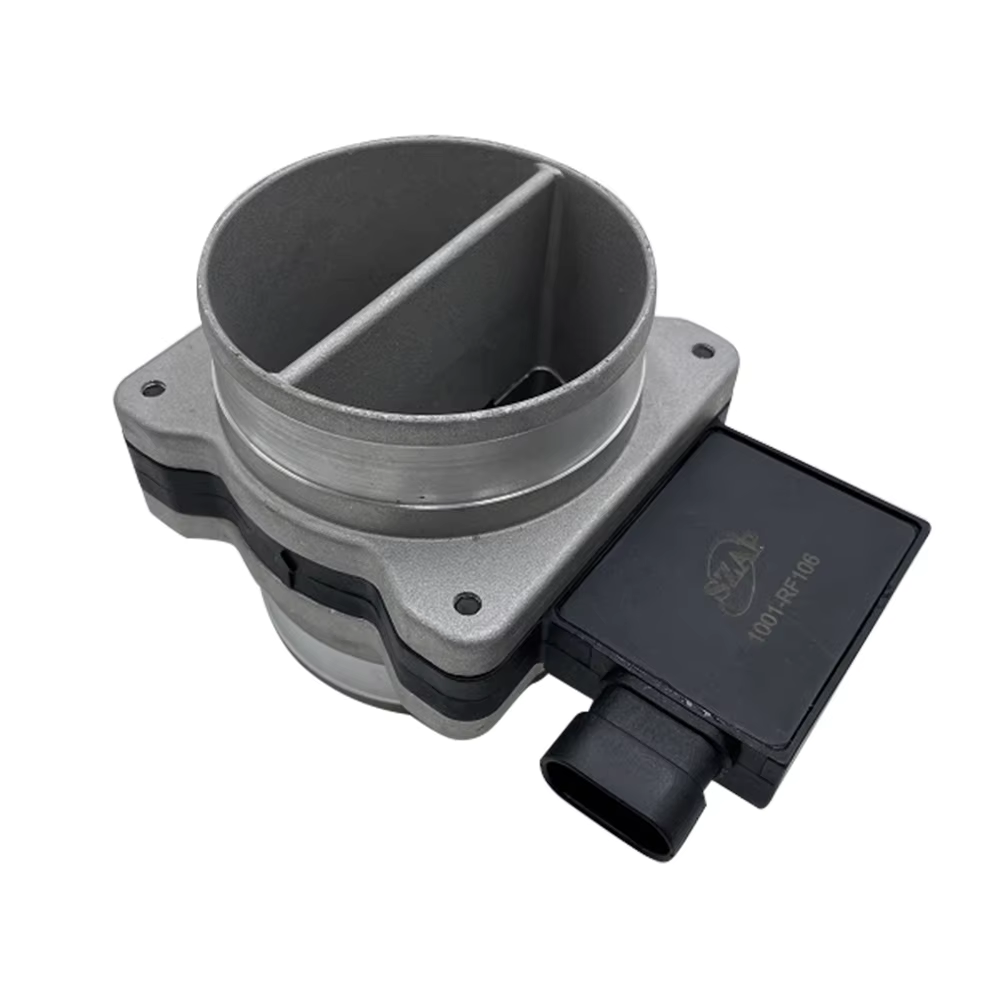
Establish a Collaborative Development Process with Your Mass Air Flow Meter Manufacturer
Partnering effectively with your mass air flow meter manufacturer means shifting from transactional procurement to co-engineering. A collaborative development model ensures the final device integrates seamlessly into your system architecture, minimizes field integration issues, and accelerates time-to-market for applications dependent on precise airflow control—such as engine management, battery thermal management, or combustion optimization.
Co-Develop Custom Calibration, Packaging, and Interface Specifications for Seamless OEM Integration
Begin co-development by jointly defining calibration protocols tailored to your actual operating envelope—not generic lab conditions. Establish test points across your full flow range, expected gas compositions, and temperature extremes to prevent in-service drift. Early collaboration on mechanical packaging addresses spatial constraints, environmental protection (e.g., IP67 or MIL-STD-810G vibration resistance), and thermal management—validated through shared environmental testing. Similarly, co-design electrical and communication interfaces to match your control ecosystem: specify voltage ranges, output signal types (e.g., analog, pulse, digital), connector families (e.g., M12, Deutsch), and protocol stack support (e.g., CAN FD, SAE J1939). This eliminates adapter boards, signal conditioning delays, and firmware rework—reducing integration effort by up to 40% in complex OEM programs.
FAQ
Why is it important to define operating parameters like flow range, gas composition, temperature, and pressure?
Clearly defining these parameters ensures accurate sensor selection and calibration, reducing the risk of errors or costly redesigns caused by mismatched specifications.
What should I document about the environmental conditions for meter installation?
Document variables such as ambient temperature ranges, humidity levels, vibration exposure, dust, or chemical exposure. This helps manufacturers recommend durable materials and adequate housing protection.
How do I evaluate a manufacturer’s accuracy claims?
Request documentation of test data conducted using your specific gas conditions and ensure accuracy is measured as ±% of reading rather than ±% of full scale.
What are the advantages of thermal mass flow meters?
They measure mass flow directly, have high turndown ratios, and operate effectively at low flow and pressure conditions, making them ideal for clean, dry gases.
Why is supply chain reliability critical when selecting a mass air flow meter manufacturer?
Reliable supply chains prevent production delays caused by single-source dependencies or material shortages. Metrics such as on-time delivery and inventory buffers indicate stability.
Table of Contents
- Clarify Application Requirements Before Engaging a Mass Air Flow Meter Manufacturer
- Assess Technical Capabilities of the Mass Air Flow Meter Manufacturer
- Validate Compliance, Quality Systems, and Supply Chain Reliability
- Establish a Collaborative Development Process with Your Mass Air Flow Meter Manufacturer
-
FAQ
- Why is it important to define operating parameters like flow range, gas composition, temperature, and pressure?
- What should I document about the environmental conditions for meter installation?
- How do I evaluate a manufacturer’s accuracy claims?
- What are the advantages of thermal mass flow meters?
- Why is supply chain reliability critical when selecting a mass air flow meter manufacturer?