 EN
EN

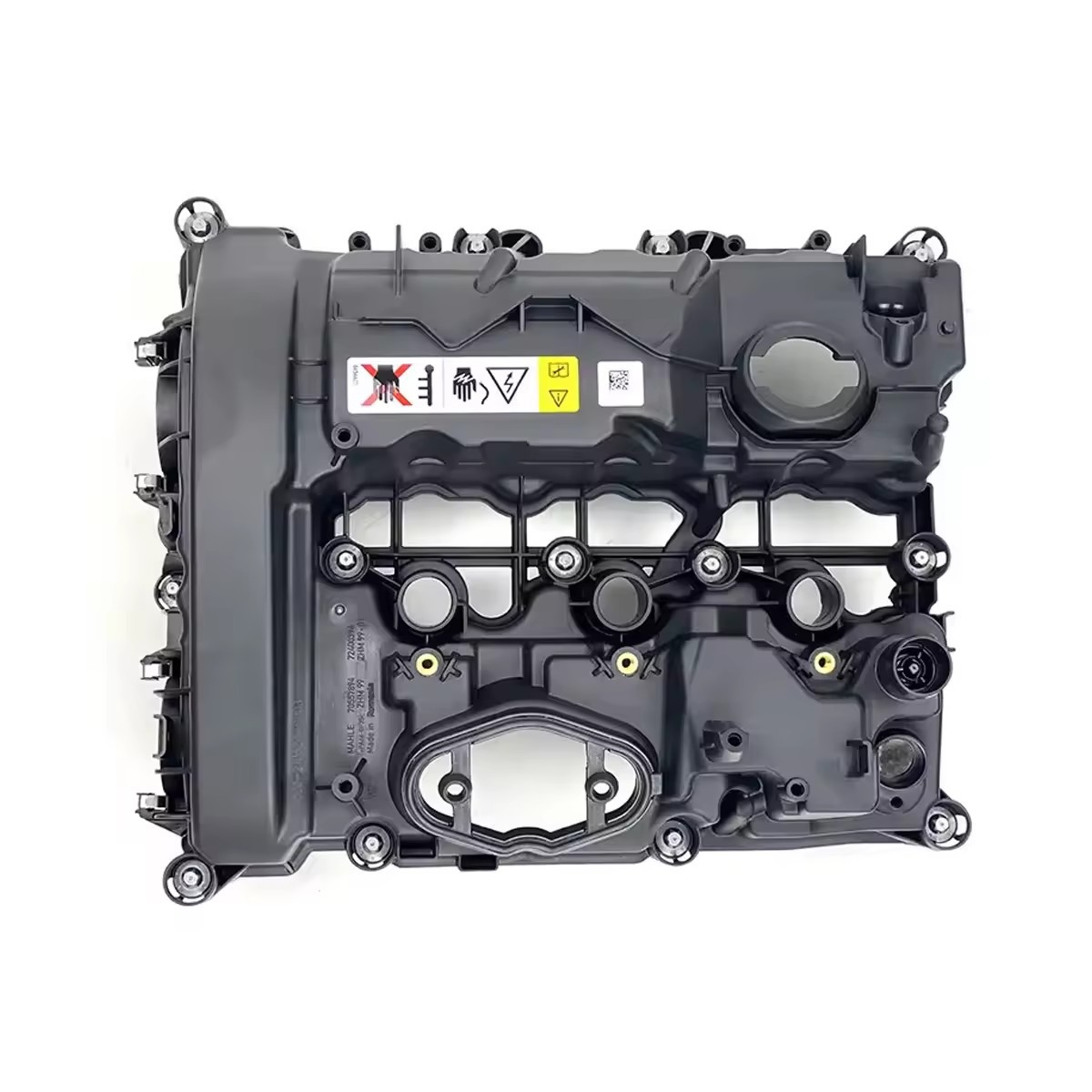
Material Strength and Structural Design for Durability
Selecting materials with optimal strength characteristics is fundamental for a durable cylinder head cover that withstands decades of engine stress. Material choice directly impacts thermal management, fatigue resistance, and structural integrity under extreme pressures.
Aluminum Alloys vs. Reinforced Composites: Thermal Expansion, Fatigue Resistance, and Load Distribution
Aluminum alloys definitely handle heat better than most materials out there, but they do expand about 23% more when temperatures rise according to ASTM E228 standards. This difference in expansion rates can actually cause problems for gasket seals when things get really hot. On the other hand, reinforced composites made with carbon fiber matrices stay dimensionally stable even past 260 degrees Celsius. These materials spread out load stress across surfaces around 40% more evenly than traditional options. What makes them stand out is how their fibers are aligned in specific directions. This arrangement helps prevent those tiny cracks from forming in areas where vibration is constant. Real world testing shows these composite materials last roughly 60,000 extra miles before showing signs of wear compared to regular cast aluminum parts.
Bolt Pattern Engineering and Torque Retention Across 150,000+ Miles of Thermal Cycling
About 38 percent of early head cover leaks happen because torque doesn't stay put long enough, as noted in various SAE studies. When bolts are arranged symmetrically around combustion chambers, this helps prevent warping when engines heat up and cool down repeatedly. Using hex flange bolts together with those special Belleville washers keeps most of the original clamping force intact even after going through roughly 1,500 thermal cycles. That's actually equivalent to about 150 thousand miles on the road. These components work together to compensate for materials slowly stretching over time. Putting these fasteners strategically close to areas where stress builds up, like near camshaft bearings, cuts down on how much pressure gets transferred to the gasket itself. This approach lowers peak loads by nearly half, which stops the metal parts from distorting when exposed to big temperature swings.
Advanced Sealing Systems That Prevent Leaks and Extend Service Life
For a durable cylinder head cover, advanced sealing systems are non-negotiable—they prevent fluid leaks that compromise engine integrity and longevity.
Multi-Layer Steel (MLS) Gaskets: How They Reduce Failure Rates by 63% in High-Boost Applications
MLS gaskets are built with layers of stainless steel sandwiched between rubber-like coatings, making them tough enough for serious engine conditions where temperatures go crazy and pressure builds up fast. When engines get pushed hard, these multi-layer designs cut down on failures by around two thirds when compared to regular single layer gaskets. The steel parts can stand up against combustion forces reaching as much as 2000 pounds per square inch, which is pretty impressive. Meanwhile, those rubbery bits fill in small gaps on surfaces that aren't perfectly smooth, so there's no chance of hot gases escaping or the whole thing blowing apart. Even after putting on 150 thousand miles of wear and tear, these gaskets still hold up surprisingly well under all that stress.
Gasket Material Compatibility with Hot Oil, Combustion Byproducts, and Rapid Thermal Cycling
Gasket materials face some serious challenges in their environment. They need to handle extremely hot engine oil that can reach temperatures around 149 degrees Celsius. Then there are all those acidic substances produced during combustion such as nitrous oxides and various sulfur compounds. And let's not forget about the wild temperature swings these gaskets endure - going from minus 40 degrees Fahrenheit right up to 300 degrees Fahrenheit sometimes within just a few minutes. Materials like fluorocarbon elastomers work really well in these conditions along with composites that have graphite embedded in them. These materials stay flexible even after hundreds of thermal cycles, which is pretty impressive when considering they also resist breaking down chemically over time. The result? No hardening or tiny cracks forming, and definitely no oil or coolant leaking through the seals. That kind of reliability makes all the difference for maintaining good sealing performance over the long haul.
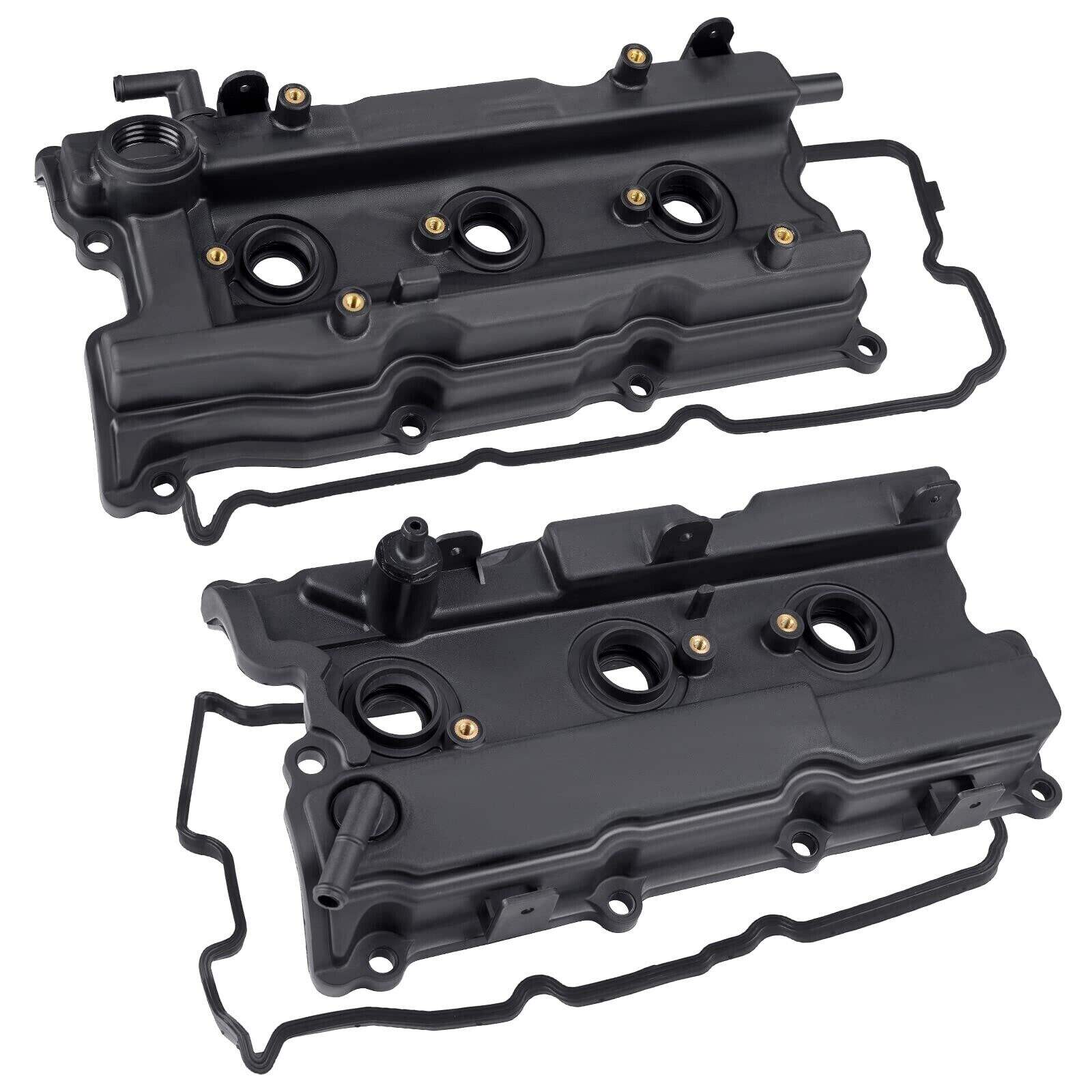
Corrosion-Resistant Coatings That Enhance Longevity Under Harsh Conditions
Cylinder head covers face serious corrosion risks when they come into contact with acids, moisture, salt, and those punishing temperature extremes. Parts without proper protection tend to break down much quicker in salty conditions, some field data suggests failure rates triple in these situations. There are several high quality protective options available today. Zinc coatings work well for basic protection, while ceramic treatments form actual barriers at the molecular level against rust formation. Phosphate coatings also help but aren't quite as effective long term. Take ceramic infused layers for instance. These can cut down on oxidation problems by around 89% in diesel engines where sulfur compounds are present. That kind of performance makes them worth considering despite the higher initial cost.
When selecting coatings, prioritize:
- Chemical Resistance: Epoxy-based finishes withstand oil degradation 63% longer than standard coatings
- Thermal Stability: Ceramic layers retain adhesion at sustained 300°C temperatures
- Impact Resilience: Micro-arc oxidation coatings absorb vibration without cracking
Field tests show multi-layer coatings extend service intervals by over 40,000 miles in marine or industrial settings. Crucially, coatings must be compatible with gasket materials—non-reactive polymer formulations prevent galvanic corrosion at sealing interfaces. Combined with proper maintenance, these solutions ensure maximum engine lifespan—even in punishing conditions.