 EN
EN

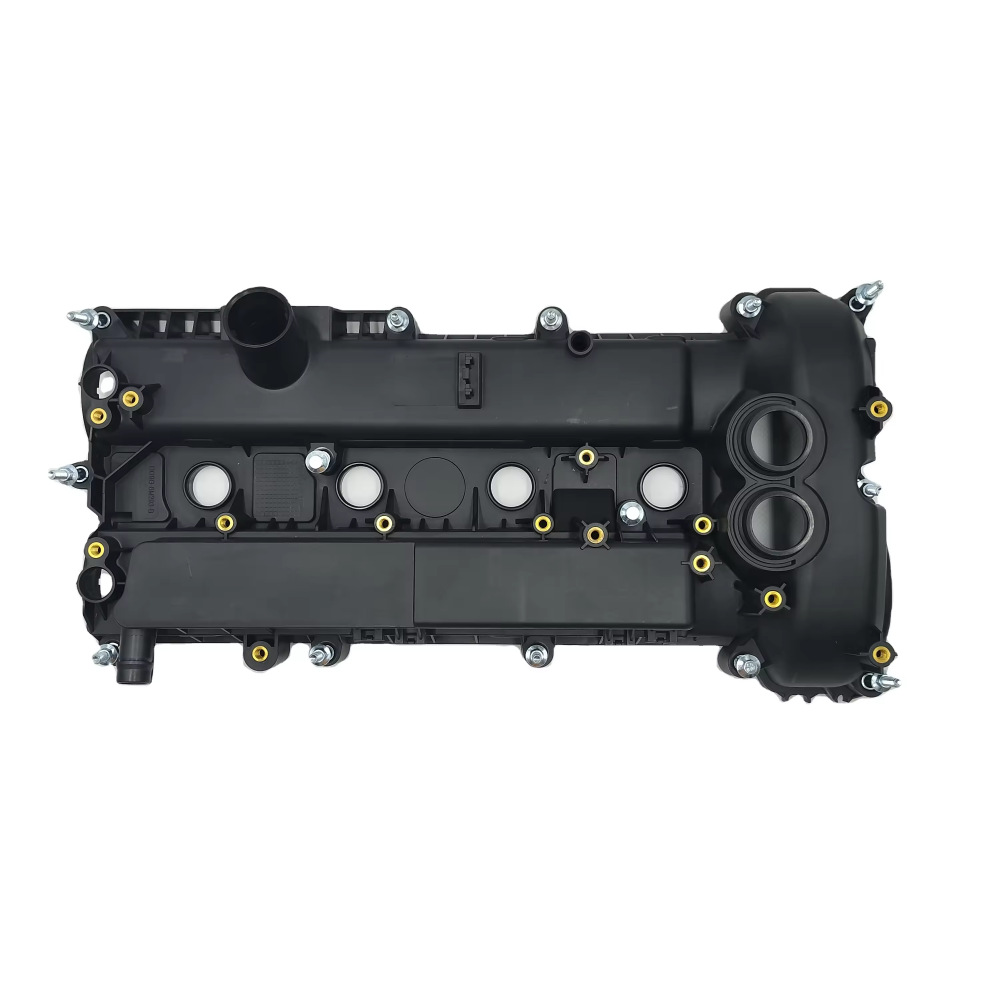
Cylinder Head Cover Functionality: Sealing, Cooling, and Structural Integrity
Why sealing failure causes oil leaks, valve train noise, and accelerated wear
When the cylinder head cover seal starts failing, it kicks off all sorts of problems that affect both how the engine runs and how long it lasts. Oil tends to leak out whenever those rubber gaskets break down or when the metal cover gets warped from heat over time. This creates a mess inside the engine compartment, getting everywhere from spark plugs to the entire engine bay area while leaving critical parts like valves without proper lubrication. The lack of oil film protection means metal parts start rubbing against each other directly, which makes engines louder during operation – somewhere around 12 to 18 dB increase according to noise vibration harshness testing. What's worse, bits of dirt and debris find their way into these damaged areas too. Mechanics see this happen all the time where tiny particles get trapped between moving parts, sometimes causing damage rates to jump as much as three times normal levels when conditions are really bad.
How thermal management and mechanical rigidity interact under real-world operating conditions
The cylinder head cover needs to handle serious heat without losing its shape when temperatures fluctuate wildly. These parts actually soak up around 70 percent of the combustion heat according to ITR World's latest report, which means manufacturers need materials that conduct heat well to avoid those nasty hot spots that can hit over 300 degrees Celsius. Thermal expansion becomes a real problem at the mounting points too. Aluminum expands about half again as much as cast iron during normal operation cycles, so matching the coefficient of thermal expansion with whatever material is used for the head itself becomes absolutely critical. That's why reinforced polymers are getting so popular these days. The glass fiber matrix in these designs keeps flange flatness pretty tight, usually within about 0.1 millimeter even under extreme conditions. This helps maintain proper gasket compression and makes sure heat gets transferred away efficiently from all those important valve train parts that just can't tolerate excessive temperatures.
Cylinder Head Cover Material Selection: Balancing Weight, Heat Resistance, and Durability
Aluminum, reinforced polymer, and composite covers: thermal cycling performance and CTE compatibility
Material choice directly impacts long-term sealing reliability, weight, and thermal resilience. Aluminum reduces mass by 45–60% versus cast iron and dissipates heat effectively—especially valuable in turbocharged applications—but its high Coefficient of Thermal Expansion (CTE) demands precision gasket design to avoid leaks during rapid temperature shifts above 250°C.
Reinforced polymers and hybrid composites offer tunable CTEs that better match engine block materials, reducing interfacial stress. Key comparative advantages include:
| Material | Thermal Cycling Endurance | Weight Savings | Cost Impact |
|---|---|---|---|
| Aluminum | Moderate (80–100k cycles) | ⦿⦿⦿⦾⦾ | 30–50% higher |
| Reinforced Polymer | High (120k+ cycles) | ⦿⦿⦿⦿⦿ | 10–20% higher |
| Hybrid Composites | Exceptional (150k+ cycles) | ⦿⦿⦿⦿⦾ | 40–60% higher |
Compared to aluminum, glass fiber composites resist thermal distortion about 70% better according to recent material fatigue research from 2023. At the same time, when manufacturers incorporate special polymer blends into their designs, they can reduce component weights by around 55%. What makes these materials particularly valuable is how their coefficient of thermal expansion matches so well with surrounding parts. This match significantly reduces warping at connection points between components, which helps prevent those pesky PCV system leaks responsible for roughly one in four early engine failures. Another interesting development comes from polymers mixed with tiny ceramic spheres. These combinations offer both excellent vibration absorption properties and strong resistance to oil degradation, meaning gaskets last about three times longer before needing replacement. Before going into production though, every material needs thorough testing across extreme temperature ranges from minus 40 degrees Celsius all the way up to 190 degrees Celsius to ensure reliability under actual operating conditions.
Cylinder Head Cover Compatibility: Ensuring Precise Fitment and Sensor Integration
Critical fitment anchors: bolt pattern, deck height, PCV routing, and cam sensor port alignment
Getting reliable performance from these systems depends heavily on meeting certain key installation requirements. When bolts are aligned properly across the pattern, it helps compress the gasket evenly. If there's any deviation beyond 0.5 mm though, we start seeing problems with sealing pressure that lead to oil leaks after around 5,000 miles of operation. Another issue comes when deck heights differ too much - anything outside ±0.3 mm cuts down on PCV system effectiveness by about 40%. This means more sludge builds up faster and crankcases get contaminated quicker than they should. Keeping PCV lines routed correctly is also important because it maintains proper pressure differences inside the engine, which stops excessive oil burning and reduces harmful emissions. Probably the most sensitive part though is getting those cam sensor ports lined up just right. They need to be accurate within 0.1 mm tolerance. Even small misalignments create false timing signals in nearly all modern engines according to diagnostic records. All these specifications work together to protect both the valve train components and ensure sensors give accurate readings over time.
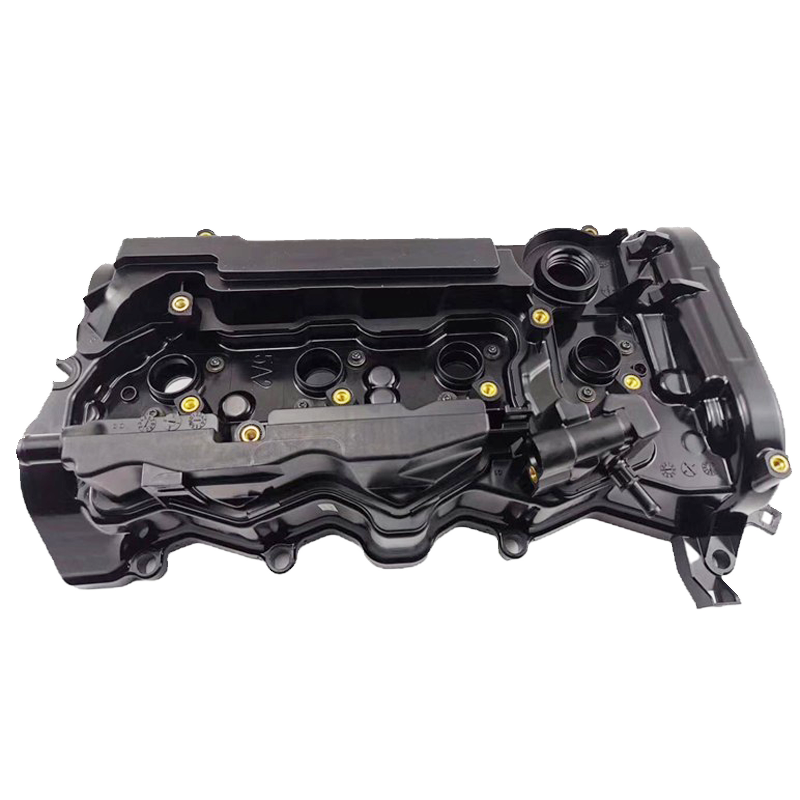
OEM vs Aftermarket Cylinder Head Cover: Validating Sealing Reliability and Long-Term Performance
Surface flatness, gasket interface quality, and real-world sealing longevity data
The whole thing about sealing reliability really comes down to how precise those surfaces are. Original Equipment Manufacturer (OEM) covers manage to keep surface variation below 0.003 inches thanks to computer numerical control machining techniques. This helps maintain even pressure distribution when compressing gaskets all over the sealing area. The situation looks different with aftermarket parts though. When put through stress tests, these tend to show deviations of around 0.010 inches. What does this mean? Localized pressure spots form which gradually break down the gasket's structural integrity over time. Looking at real world data makes this connection clear enough. Industry reports indicate that vehicles with aftermarket covers experience roughly triple the amount of oil leaks compared to their OEM counterparts after covering similar distances on the road.
The design of gasket interfaces really shows where quality stands apart. Original equipment manufacturer (OEM) covers often have those fancy laser etched micro grooves that make the sealant stick better. Aftermarket stuff tends to be much simpler, just basic machining work. When we put these through thermal cycling tests, the difference becomes obvious. OEM parts keep their seals intact well past 100 temperature cycles, but most aftermarket options start failing somewhere between cycle 40 and 60. This just goes to show that when manufacturers pay attention to details during production, it makes all the difference in how long something lasts under tough conditions.
Table of Contents
- Cylinder Head Cover Functionality: Sealing, Cooling, and Structural Integrity
- Cylinder Head Cover Material Selection: Balancing Weight, Heat Resistance, and Durability
- Cylinder Head Cover Compatibility: Ensuring Precise Fitment and Sensor Integration
- OEM vs Aftermarket Cylinder Head Cover: Validating Sealing Reliability and Long-Term Performance