 EN
EN

Assess Manufacturing Quality and Engineering Rigor
Material & Core Design: Copper vs. Aluminum Windings and Lamination Impact on Thermal Stability
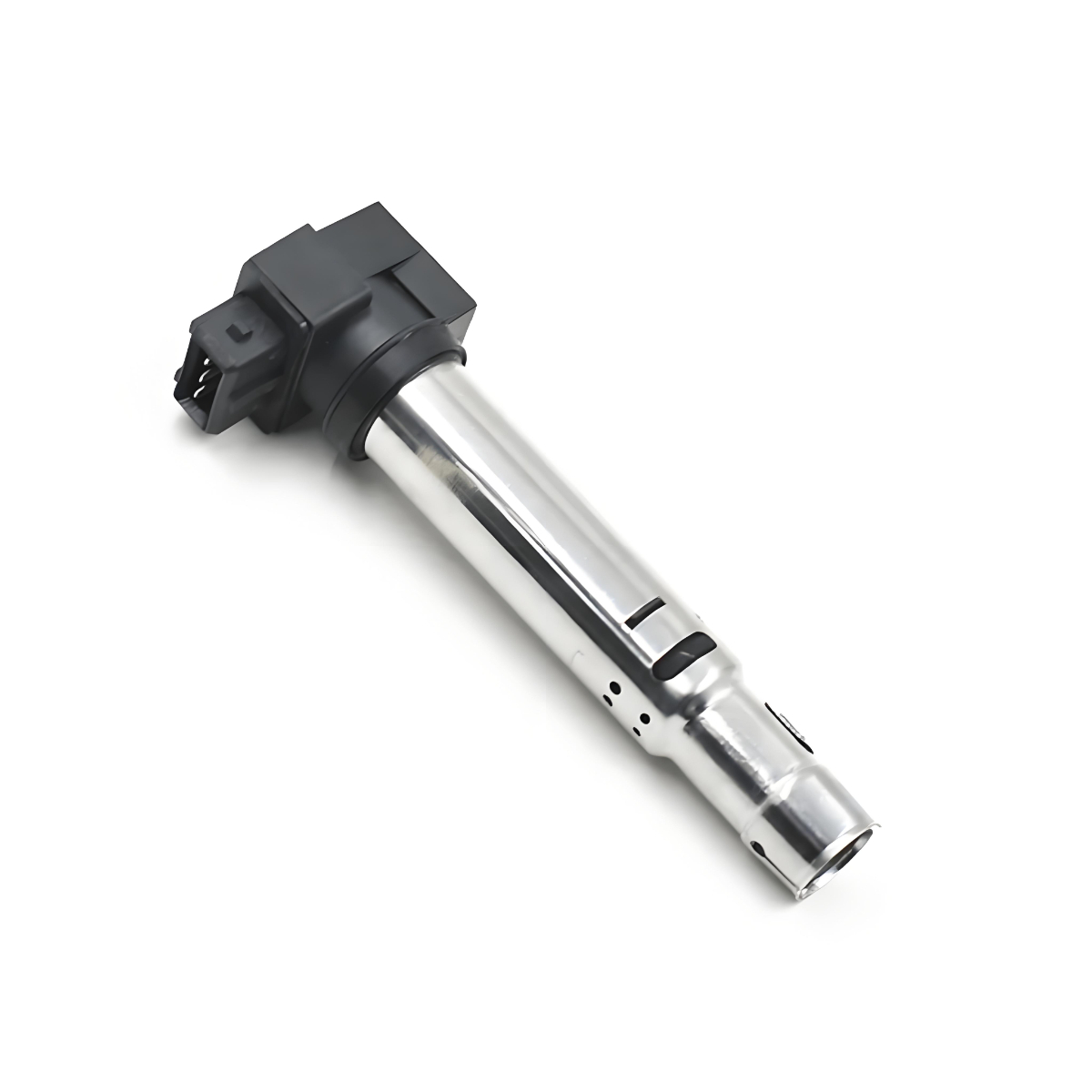
How long an ignition coil lasts really depends on what materials make up the conductors and how the core is built. Most premium original equipment manufacturers stick with copper windings because they have about 40 percent less electrical resistance than aluminum. This means there's much less heat generated when the engine is under heavy load conditions. When combined with those special laminated grain oriented silicon steel cores, the whole system works better at stopping those annoying eddy currents. According to SAE tests, these coils run around 25 degrees Celsius cooler than versions with solid cores. For cars with turbochargers or engines that get super hot inside the engine compartment (sometimes hitting over 150 degrees Celsius), these design decisions matter a lot for keeping everything running reliably day after day.
Certifications and Testing Protocols: ISO/TS 16949 Compliance and 7200 RPM Endurance Validation
Getting IATF 16949 certification means something real for manufacturing quality, not just filling out forms. Plants that meet this standard actually put statistical process controls in place and work hard to prevent defects before they happen. The numbers back this up too – facilities with these certifications tend to have around 30% fewer problems when auditors come in. But what really matters isn't just having the certificate on the wall. Top manufacturers go further by putting their products through their paces. They run coils at 7200 RPM for over 500 hours straight, which adds up to about 150,000 miles worth of wear and tear in real life conditions. This intense testing checks how well insulation holds up against those tiny cracks that form from constant vibrations. And guess what? Companies that publish their test results usually see field returns stay below half a percent, which speaks volumes about product reliability.
OEM-Grade Traceability: PPAP, DFMEA, and Design Validation as Credibility Indicators
Getting true OE alignment isn't just about matching part numbers either—it takes real engineering work that can be checked and verified. The Production Part Approval Process or PPAP gives complete visibility into everything from the raw materials used (like how pure the copper is or how thick the laminations are) all the way through to the final product assembly. Then there's DFMEA analysis which helps spot potential problems early on before manufacturing even starts. Companies that implement these two systems together see around 60% fewer warranty issues according to Automotive News' latest supplier benchmarks in 2024. When engineers compare those published saturation current curves with original equipment specs, they often find small but important differences in how magnets respond over time. These kinds of compatibility issues tend to slip past generic parts suppliers who just sell from catalogs instead of actually understanding the engineering behind them.
Compare Leading Automotive Ignition Coil Manufacturer Brands by OE Alignment
Top-Tier OEM Suppliers: Bosch, Denso, Delphi, and ACDelco Performance Benchmarks
The big names in automotive parts - Bosch, Denso, Delphi, and ACDelco - have long been known for making ignition coils that just plain work better. These companies integrate their products deeply into original equipment systems and stick to strict manufacturing standards that most others don't match. The coils go through rigorous testing at 7200 RPM thermal cycles, way beyond what's required by IATF 16949 standards. Even when temperatures hit 150 degrees Celsius, voltage stays stable within about 5% variance. Real world tests show something pretty impressive too: these premium coils produce roughly 98% fewer misfires compared to cheaper alternatives on the market. They use special grain-oriented silicon steel cores and keep winding tolerances extremely tight, which helps maximize magnetic efficiency while keeping things cool under pressure. Fleet operators who've put Delphi's coils through their paces report getting around 120,000 miles out of them before needing replacement, proving that building quality into the design from day one pays off in the long run instead of cutting corners to save money upfront.
Innovative Aftermarket Manufacturers: Bluestreak and NGK in COP System Fidelity
In the world of Coil-on-Plug (COP) systems, Bluestreak and NGK stand apart because they actually innovate rather than copy what others are doing. Bluestreak has developed this extended duration spark tech that basically gives sparks 30% more time to do their job. This helps fight off those annoying issues like electrode wear and carbon buildup that plague engines after many miles on the road. Meanwhile, NGK takes a different approach by combining resin encapsulation techniques with electromagnetic shielding. This setup cuts down on radio frequency interference problems that can mess with today's sophisticated engine control units, especially important for cars with direct injection or turbochargers. Testing on dynamometers shows these COP units maintain around 3% consistency in spark energy even after half a million discharge cycles. They beat roughly 80% of cheaper alternatives when it comes to resisting heat damage over time. The result? Fewer diagnostic trouble codes like the dreaded P0300 code and better communication between the engine and its computer system.
Verify Vehicle-Specific Compatibility and Warranty Support
Decoding OE Specifications: Part Number Matching, ECU Protocol Compliance, and Saturation Curve Accuracy
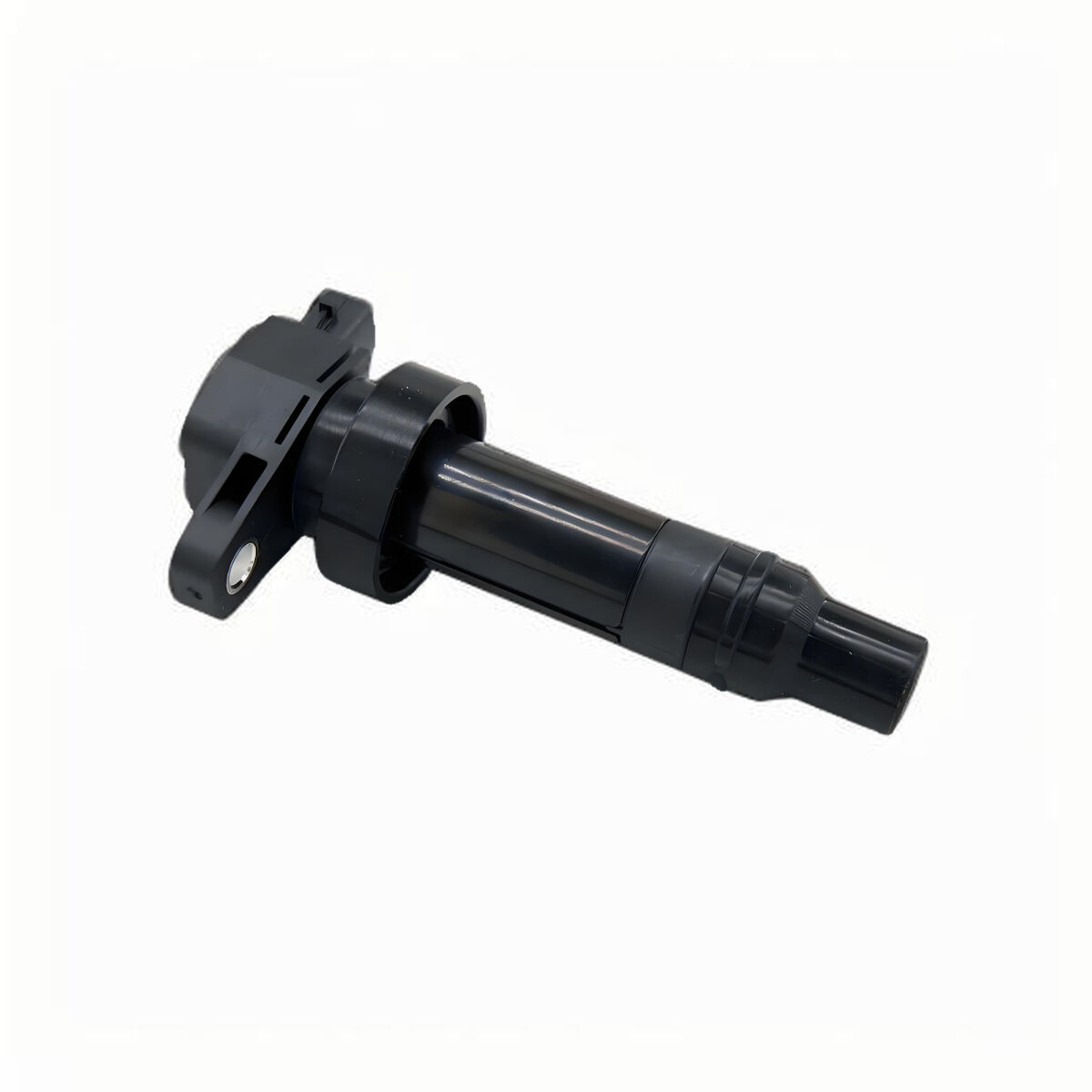
Getting parts that work right with specific vehicles goes way beyond just fitting dimensions properly. There are actually three important technical checks that need to happen. The first thing? Matching original equipment part numbers exactly matters a lot. Small differences in the suffixes can lead to problems during installation, causing misfires in quite a few cases because of issues with internal resistance or timing. Next up, checking if the part works with the vehicle's computer system is critical. This isn't something we can skip over, particularly for cars with CAN-bus systems or SENT technology, since when there's a mismatch in how components talk to each other, it creates those annoying error codes that keep coming back. And finally, the way magnetic fields build up over time needs to match what came from the factory. This affects when sparks happen in the engine. Good quality manufacturers usually offer technical documents online that confirm these requirements. Look for companies that stand behind their products with solid warranties covering at least a year or two, especially ones that include protection against computer system issues. That kind of warranty shows they believe their parts will work well across different systems.
Leverage Real-World Validation: Reviews, Forums, and Third-Party Data
Spec sheets give us part of the picture, but what really matters is how components hold up when exposed to actual road conditions, constant vibrations, and the gradual effects of time. Look for genuine feedback from mechanics who post on reliable forums and from customers sharing their experiences on credible review sites. These folks tend to talk about things like how long parts last before failing, common breakdown points, and whether installations go smoothly for different car makes and models. When possible, check these stories against what labs actually measure - things like how well they perform at sustained high speeds (think around 7200 RPM), how their electrical resistance changes over time, and if they meet manufacturer standards. Industry magazines and technical reports frequently mention real world tests showing components surviving well beyond 100,000 miles even in tough driving situations. Most people in charge of buying equipment know better than to trust just one source though. About four out of five procurement managers base their decisions on information gathered from multiple angles rather than flashy advertising claims. This approach helps distinguish between products built to last and those that are just quick fixes.