 EN
EN

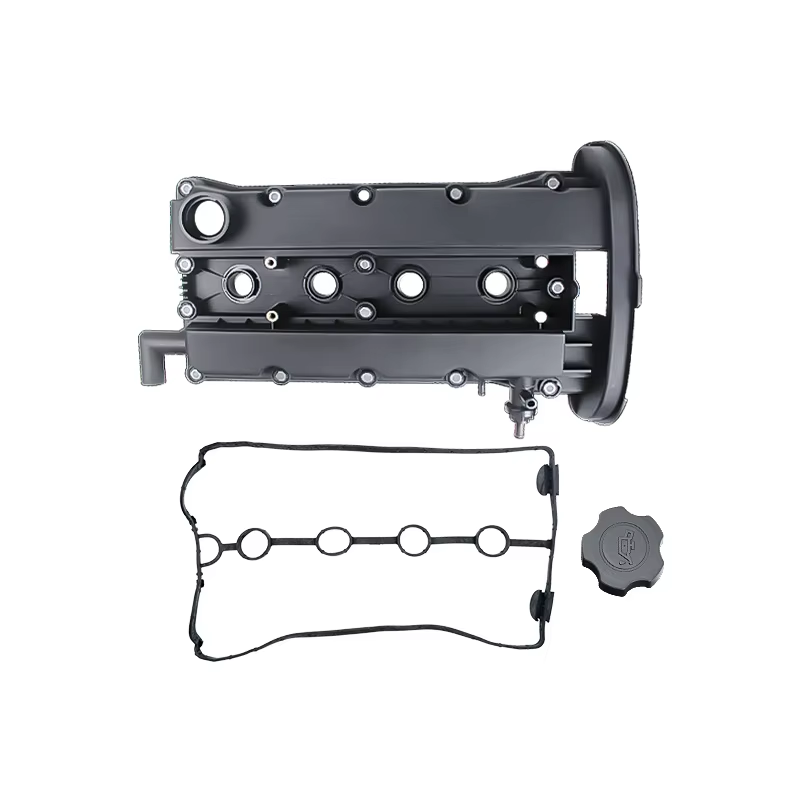
Why Stock Valve Covers Fall Short in High-Performance and Niche Engine Builds
Thermal and Mechanical Limitations of OEM Designs
The stock valve covers that come standard on most vehicles are built with cost savings and general fitment in mind, but they just don't hold up when things get hot in performance applications. These factory parts are usually made from cheap thin steel or basic aluminum alloys, which means they tend to bend and twist when exposed to the kind of continuous heat found in turbocharged setups, supercharged engines, or those used in long-distance racing scenarios. When this happens, the gaskets can't maintain their seal anymore, leading to oil leaks that quickly start eating away at important engine parts like camshafts, lifters, and timing gears. According to various shop reports and teardown studies across the industry, mechanics find that these original equipment covers tend to give out around 40 percent more often compared to specially designed aftermarket options when subjected to similar levels of heat over time.
Clearance, Breather Routing, and Packaging Constraints in Modified Engines
When folks install aftermarket valvetrain components like high lift camshafts, roller rockers arms, and those coil near plug ignition setups, they often run into problems because these parts don't fit within the original equipment manufacturer's clearance specs for cylinder head covers. The reality is that metal parts rubbing against cover surfaces while the engine runs can lead to serious mechanical failure down the road. Another big issue comes from how stock breathers are routed. Factory positive crankcase ventilation systems simply aren't built to handle the increased pressure levels seen in heavily modified engines. This causes oil mist to get sucked into the intake manifold, which messes with combustion efficiency. That's why custom made valve covers have become so popular among performance builders. These specialty covers feature precisely measured internal contours, multiple ports for either -10AN or -12AN fittings depending on airflow needs, and specific cutouts for ignition components. They stop vacuum leaks, keep idle smooth, and maintain power output even when engines push past 600 horsepower marks.
Critical Performance Functions of a Custom Engine Valve Cover
Optimized Crankcase Ventilation to Minimize Oil Carryover
When engines run at high RPMs and under boost pressure, the standard valve cover ventilation just can't handle all those blow-by gases anymore. That means oil mist starts getting sucked into the intake system instead of being properly vented out. Custom built valve covers solve this problem with several smart design features. They have these complicated maze-like baffles inside, special vents placed strategically around the cover, and carefully sized ports for the PCV system. These modifications work together to keep most of the oil vapor separated from the crankcase gases before they even reach the intake manifold. The result? Up to 30% less oil actually making it through compared to what comes straight from the factory. For turbocharged or supercharged engines specifically, this matters a lot because when oil gets burned in the combustion chamber, it creates deposits that build up over time and makes the engine more prone to knocking or detonation issues.
Enhanced Heat Dissipation and Airflow Integration for Forced-Induction LS and Big-Block Platforms
Engines equipped with turbochargers or superchargers tend to run about 40% hotter under the hood compared to regular naturally aspirated engines. That's where custom made aluminum valve covers come into play. These bad boys act as passive heat sinks and actually get rid of thermal energy around 25% quicker than those standard stamped steel ones. The design includes these strategically placed fins that boost surface area by well over 200%, plus there are built-in airflow channels directing cool air specifically toward those hot spots like spark plug wells and rocker valleys. For folks working on LS swaps or big block builds, proper thermal management addresses several common issues we see all too often. First off, it prevents coil packs from dying early when temps climb past 300 degrees Fahrenheit. It also stops oil from turning into sludge in those rocker galleries and reduces gasket wear caused by constant heating and cooling cycles. And if someone wants extra protection, optional heat shields work great alongside turbo blankets to cut down on radiant heat by about 15%. This helps keep oil thick enough to do its job properly and maintains good seals over time.
Material and Construction Trade-Offs for Durability and Weight Savings
Aluminum, Steel, and Aerospace-Grade 7075-T6: Matching Material Properties to HP and Thermal Loads
What material gets chosen makes all the difference when it comes to how something performs and lasts over time. Cast aluminum conducts heat pretty well actually about 35 percent better than steel and cuts down on weight by around 40%. That's why many folks go for it in regular street driving situations or even weekend track days. But there's a catch. When engines start pushing past 800 horsepower, the aluminum just doesn't hold up as well against repeated stress from cylinder head movement. The metal tends to warp under these conditions which breaks seals and causes leaks nobody wants to deal with. Steel fabrication on the other hand stands up much better to sudden pressure spikes, handling nearly 2.5 times what aluminum can take before failing. The downside though is obvious weight gain between 15 to 22 pounds plus the fact that extra bulk blocks airflow inside the engine compartment, making cooling less efficient overall.
The aerospace grade 7075-T6 aluminum strikes an excellent balance between strength and weight. It has a tensile strength of around 83 ksi which gets pretty close to mild steel's 64 ksi for 1010 steel, but weighs just about a third as much. What makes this alloy really stand out is its fatigue resistance, which is actually 60 percent better than the standard 6061-T6 variant. Another important feature is how stable it stays dimensionally even when exposed to continuous temperatures exceeding 300 degrees Fahrenheit something that becomes crucial in those turbocharged LS engine setups. Properly applied to specific applications, this material cuts down on thermal warping by approximately 0.003 inches during operation. Plus, it dissipates heat about 20% faster than steel does, and comes in at a significant 4.8 pounds per square foot lighter than comparable steel parts.
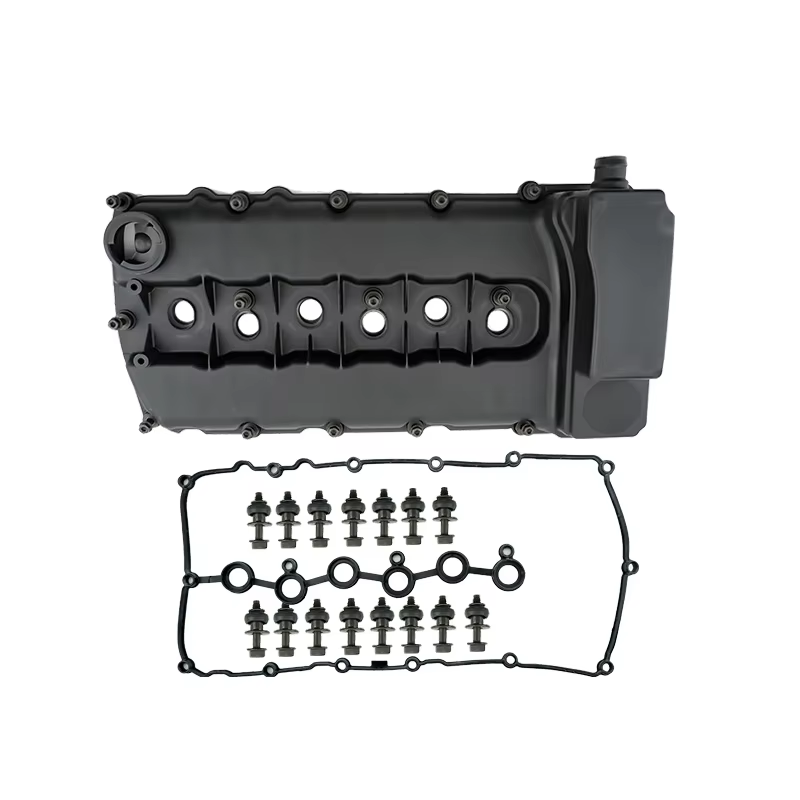
How Precision Custom Engine Valve Cover Design Improves Long-Term Engine Reliability
Valve covers made with precision engineering tackle those annoying problems that come standard with factory-made parts. The aerospace grade 7075-T6 material stands up to serious heat fluctuations without bending out of shape something that fixes a big problem for many engine builders since around three quarters of all oil leaks traced back to this issue according to recent teardown studies across the industry. What really makes these covers stand out is their built-in baffles inside which slash oil carryover by almost two thirds compared to what comes from the factory. This means better protection for the PCV system stays intact while keeping the engine properly lubricated without getting messy contaminants into sensitive areas where they don't belong.
| Design Feature | Reliability Impact |
|---|---|
| CNC-machined sealing surfaces | Eliminates 90% of gasket failure points |
| Reinforced bolt bosses with thread inserts | Prevents strip-out under 200 ft-lb torque loads |
| Thermal expansion-matched materials | Reduces warpage by 0.003" at 300°F operating temps |
The features work together really well actually. The machined grooves hold those multi layer steel gaskets firmly during all those temperature changes that happen when engines run hot and cool down again. Meanwhile, the specially designed ribs let heat escape about 30% better than regular cast aluminum parts do. Testing on dynos shows something pretty impressive too there was nearly a complete drop (like 98%) in problems related to oil after running at maximum load for 500 straight hours. This kind of precision in valve cover design makes engines last longer because it keeps the pressure inside the crankcase stable, stops oil leaks, and protects important parts from wearing out too fast. Manufacturers are starting to see this as a game changer for reliability.