 EN
EN

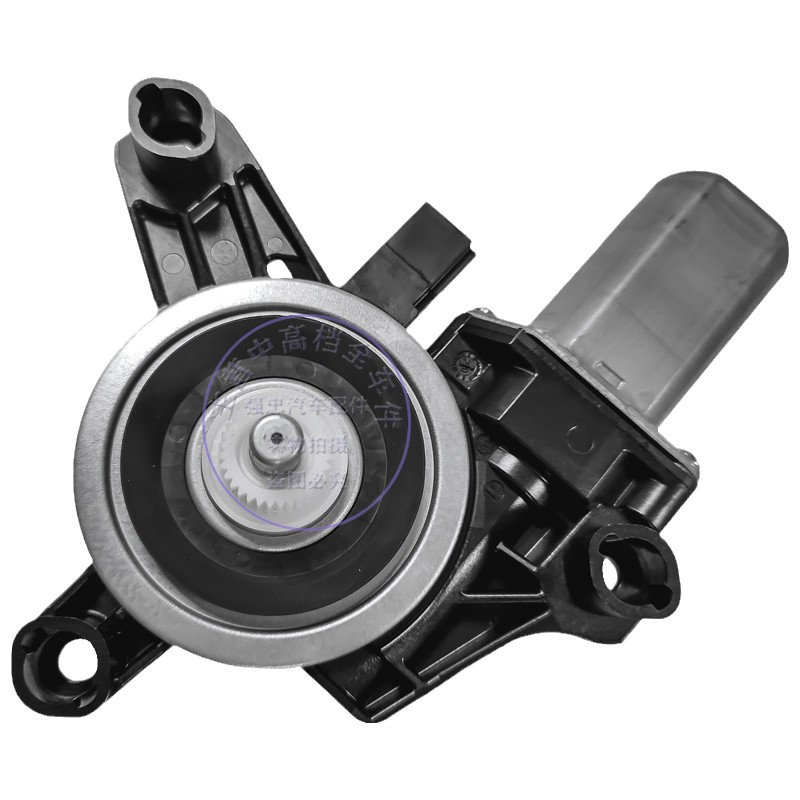
Confirm Exact Vehicle Compatibility for the Automotive Window Regulator Motor
Match Make, Model, Year, and Trim to OEM or Cross-Referenced Part Numbers
Getting the right automotive window regulator motor starts with making sure it fits your particular car exactly. Just saying "Ford F-150" isn't enough information because manufacturers often tweak things between different model years, trim levels like XL versus Platinum, and even production runs from different regions that change how regulators work. Take the 2018 through 2020 F-150 Lariat models for instance they need motors with a completely different shaft orientation compared to regular models. Before buying anything, grab that VIN number off your dashboard and check it against official manufacturer specs or trusted parts databases. Installing the wrong motor can lead to all sorts of problems down the road mechanical breakdowns, blown circuits, or even losing warranty coverage. Mechanics see this happen quite frequently actually about one third of early regulator failures come from mismatched parts according to recent industry reports.
Validate Mounting Configuration, Shaft Orientation, and Electrical Connector Pinout
Just because a part number checks out doesn't mean we can skip looking at it physically. Need to measure how far the shaft sticks out usually around 10 to 15 millimeters and double check whether it turns clockwise or counter-clockwise. Aftermarket motors sometimes work differently than original equipment even when they share the same classification codes. Those electrical connectors might look exactly alike at first glance, but their pin arrangements can be completely different. Hooking up the wrong ones could actually melt the connections or mess up the car's computer system. Always try fitting the motor onto those mounting brackets first to see if everything lines up properly. Oh, and don't forget about torque specs either front doors typically need about 2.5 Newton meters while rear doors generally require closer to 3.2 Nm because the glass weight varies between them. See the table below for a quick reference on these common compatibility issues.
| Compatibility Factor | Incorrect Match Consequence | Verification Method |
|---|---|---|
| Mounting bracket spacing | Motor misalignment/fractured mounts | Caliper measurement |
| Electrical pinout | Short circuits/module communication failure | Multimeter continuity test |
| Shaft direction | Reversed window operation | OEM technical diagram |
| Output torque rating | Reduced speed/overheating | Manufacturer specification sheet |
Evaluate Critical Performance and Safety Specifications of the Automotive Window Regulator Motor
Torque Output, Gear Material, and Thermal Tolerance for Long-Term Durability
Make sure the motor delivers enough torque, usually between 12 and 20 Newton meters, so windows will rise smoothly even when it's freezing outside or the rubber seals have started to degrade over time. Steel gears last much longer than their nylon counterparts according to most industry tests we've seen. Check if the system can handle continuous running in environments where temperatures might reach 85 degrees Celsius. This is important because components tend to fail faster in really hot climates otherwise. Poor specs on these factors are actually one of the main reasons why many systems break down early, which not only voids manufacturer guarantees but also means having to replace parts multiple times down the road.
Auto-Up/Down Functionality and Integrated Obstruction Detection (Pinch Protection)
When looking at motor options, give priority to those featuring auto-reverse capabilities that meet the AS-4 global safety standards. These motors will actually stop the window from going up if they sense anything blocking their path with over 100 Newtons of force. That kind of protection is really important for preventing injuries, particularly around kids who might get curious about moving parts. For even better performance, look into Pulse Width Modulation or PWM motor controls. They help keep everything moving smoothly while making sure those pinch sensors stay properly calibrated. Some of the newer systems also include timed reset functions after an obstruction happens. This means the system can get back to normal operation automatically instead of requiring someone to manually reset it every time there's a blockage.
Compare Reliability and Value: OEM vs. Trusted Aftermarket Automotive Window Regulator Motors
Replacing a window regulator motor means choosing between OEM parts and reliable aftermarket alternatives, which affects both how well it works over time and what it costs in the long run. OEM motors fit perfectly with specific car models because they match exactly with the vehicle's make, model, production year, and trim level. This ensures everything connects properly with the car's wiring system and includes important safety functions such as pinch protection. While these genuine parts usually cost about 40 to 60 percent more than cheaper alternatives from other manufacturers, they go through strict testing at the factory and come with longer warranties backed by the manufacturer itself (typically three to five years). For cars that are still within their original warranty period, this makes OEM replacement motors a smart investment despite the higher initial price tag.
Aftermarket brands that carry ISO/TS 16949 certification can actually save money without sacrificing quality, especially if bought from reliable sources. Independent testing has found that high quality aftermarket motors perform just as well as original equipment in terms of holding torque and resisting heat damage. The catch? Cheap knockoffs not meeting these standards tend to fail much faster, sometimes showing problems as early as 18 months later with failure rates jumping around 30% higher. When shopping for replacements, look for companies that publish their test results openly and use gears made from materials that stand up to rust and corrosion. This makes all the difference when parts are exposed to harsh conditions over time.
| Consideration | OEM Motors | Trusted Aftermarket Motors |
|---|---|---|
| Cost Efficiency | Higher initial investment | 20–40% cost savings |
| Compatibility | Guaranteed fitment | Requires cross-referencing |
| Longevity | 7–10 year service life | 5–8 years (brand-dependent) |
| Warranty Coverage | Factory-backed (3–5 years) | Limited (1–3 years typically) |
For non-luxury vehicles beyond warranty periods, certified aftermarket motors deliver optimal value without compromising safety—provided they’re installed alongside intact regulator tracks and guides. Always verify independent certification marks such as CAPA or NSF-ACS to confirm material integrity meets OEM-equivalent benchmarks.
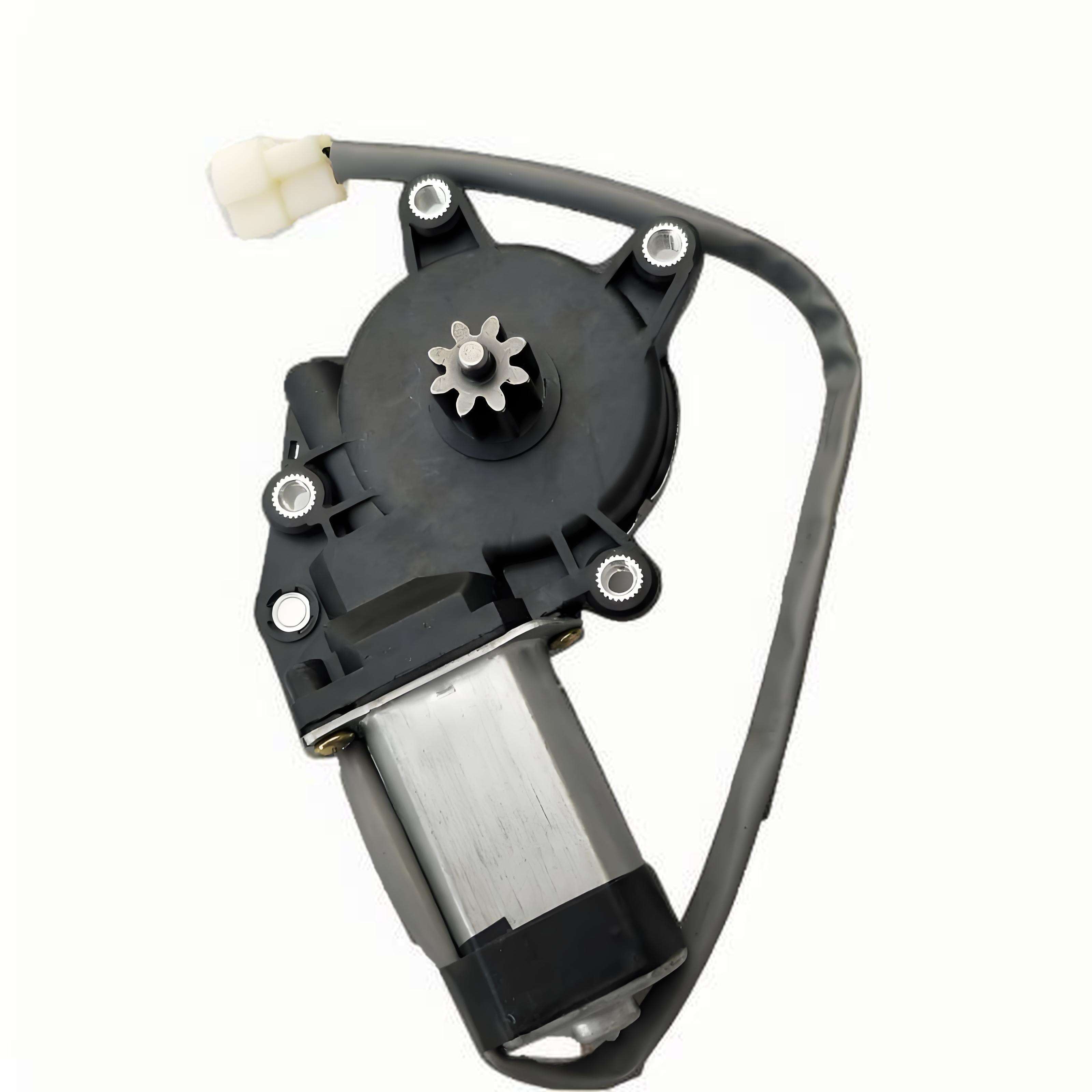
Decide Between Standalone Motor Replacement and Full Regulator-Motor Assembly
Assess Regulator Track, Cable, and Guide Condition to Avoid Premature Motor Failure
Replacing a window regulator motor isn't just about swapping out the motor itself. Mechanics should take time to look at the whole mechanical system too. Check those tracks for any bends or corrosion that might be causing extra friction. Look closely at the cables - are they frayed? Stretched? Kinked anywhere? Don't forget to test those plastic guides for cracks, warping issues, or if they've become brittle over time. All these parts affect how hard the motor has to work. According to the 2023 Automotive Diagnostics Report, ignoring worn components accounts for about 40% of cases where people end up replacing motors again shortly after installation. When any part shows real signs of wear, it's usually better to go with a complete regulator-motor assembly rather than just the motor alone. This approach helps distribute the load properly across all components, keeps unnecessary stress off the new motor, makes everything last longer, and ultimately saves money by avoiding having to fix things twice.
Table of Contents
- Confirm Exact Vehicle Compatibility for the Automotive Window Regulator Motor
- Evaluate Critical Performance and Safety Specifications of the Automotive Window Regulator Motor
- Compare Reliability and Value: OEM vs. Trusted Aftermarket Automotive Window Regulator Motors
- Decide Between Standalone Motor Replacement and Full Regulator-Motor Assembly