 EN
EN

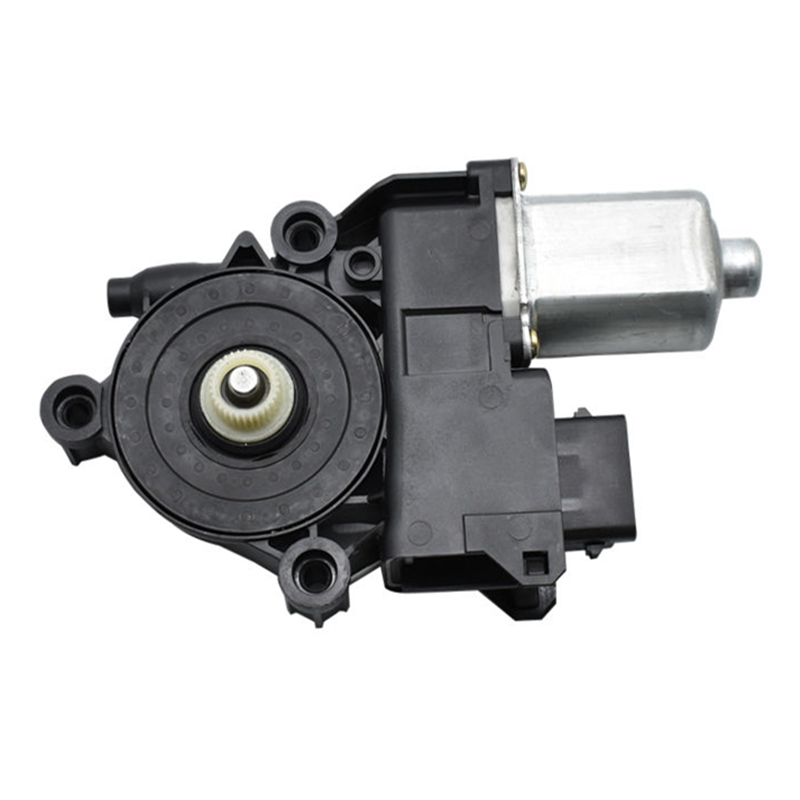
How a Passenger Car Window Regulator Motor Works: Core Function and Critical Components
The role of the passenger car window regulator motor in modern power window systems
The window regulator motor in passenger cars takes electricity and turns it into mechanical movement so windows go up and down smoothly. When someone hits the switch inside the car, this little DC motor gets to work moving parts that lift or lower the glass. Car makers design these motors to last through all sorts of daily wear and tear. Think about city driving where cars constantly stop and start, making the window mechanism cycle on and off again and again. These motors need to handle at least 50 thousand operations before they give out, which is why manufacturers put so much effort into their durability testing.
Key mechanical and electrical components: motor, gear train, linkage, and control interface
Four integrated subsystems ensure efficient performance:
- Motor: Uses copper-wound armatures and permanent magnets to generate torque.
- Gear train: Reinforced polymer gears reduce rotational speed while amplifying force.
- Linkage: Scissor or cable mechanisms translate rotational motion into vertical window movement.
- Control interface: Processes switch inputs and manages safety protocols like anti-pinch reversal.
Thermal resilience is critical; motors must withstand 185°F (85°C) cabin temperatures during summer heat soak without performance decay. Copper windings and advanced heat dissipation extend service life beyond 10 years in 80% of daily-driven vehicles.
Durability Essentials for Daily Driving: Thermal Resilience, Load Cycling, and Material Quality
Why OEM-spec copper windings and reinforced polymer gears ensure 50,000+ cycles in stop-start commutes
Copper windings that meet OEM specifications offer better electrical conductivity and can handle heat much better than alternatives, which means less energy gets wasted and there's not so much heat building up after many operations. The polymer gears are reinforced to take on mechanical stress and they don't wear down easily even when used constantly day after day. This helps avoid problems like stripped gears or motors burning out completely. Motors built this way typically last well beyond 50 thousand cycles, something manufacturers consider essential for reliable performance in cars where people adjust windows all the time. We've all experienced stop start traffic situations that put extra strain on these components, yet good quality materials keep everything running smoothly for several years without major issues cropping up unexpectedly.
Thermal management under real-world conditions: summer heat soak, frequent use, and duty-cycle limits
Good thermal management keeps motors safe from overheating when cars sit in the summer sun, sometimes pushing cabin temps past 60 degrees Celsius. Drivers know this all too well after leaving their car parked in direct sunlight for hours. The constant opening and closing of windows while stuck in traffic actually creates extra heat inside the vehicle, which puts stress on various parts. That's why manufacturers build in duty cycle restrictions that force short breaks between operations, giving components time to cool down before they start working again. These cooling intervals help prevent things like insulation failure. For materials used in these systems, we need stuff that handles extreme temperatures without breaking down. Advanced polymers work great here because they maintain their properties even when exposed to intense heat over long periods. This means longer lasting equipment and better performance whether someone is driving cross country on highways or dealing with daily stop-and-go city traffic where the system gets put through its paces repeatedly.
Vehicle-Specific Compatibility: Beyond Physical Fitment to Electrical and Protocol Alignment
Matching pulse-width modulation (PWM) signals and position feedback for seamless integration
The window regulator motors in today's cars depend heavily on those precise pulse width modulation or PWM signals to manage both speed and torque effectively. When there's a mismatch between the PWM frequency coming from the motor and what the body control module (BCM) expects, things start going wrong pretty quickly. We've seen all sorts of problems ranging from windows moving erratically to complete failure where they just won't move at all. Getting the position feedback right matters too. These sensors need to match up with the resistance values the car was designed for, usually somewhere around 0.5 to 5 kilohms. Take European luxury cars for instance; many of them specifically need Hall effect sensors that give off three pulses per revolution. Domestic models tend to stick with potentiometer based systems instead. Mechanics working on these systems should always check manufacturer specs carefully since getting this wrong can lead to frustrating diagnostic issues down the road.
CAN bus readiness and mounting geometry considerations for late-model passenger cars
Post-2018 vehicles increasingly use CAN bus (Controller Area Network) protocols for window control. Non-compatible motors lacking CAN bus message interpretation will trigger fault codes like U0155 (lost communication with door module). Physical compatibility extends beyond bolt patterns:
- Gearbox orientation must clear door intrusion beams
- Motor shaft height variance >2mm risks cable misalignment
- Connector seals must match OEM IP6K9K waterproof ratings
Leading manufacturers validate 300+ vehicle variants to prevent electrical protocol mismatches that account for 42% of warranty claims in aftermarket installations Automotive Electronics Council, 2023.
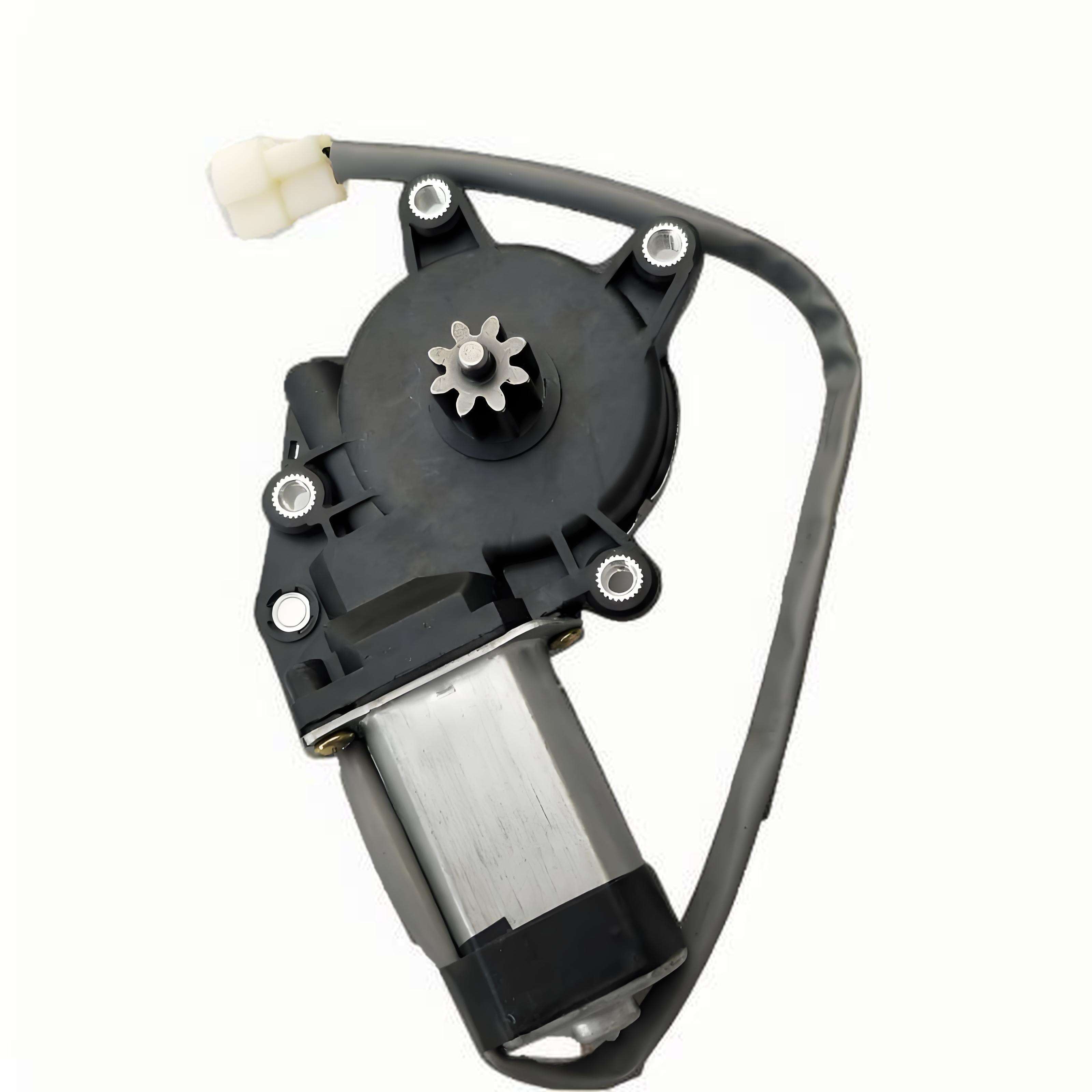
Safety Compliance and Real-World Anti-Pinch Performance of the Passenger Car Window Regulator Motor
ECE R118 and FMVSS 118 requirements: detection thresholds, reversal timing, and sensor calibration
The window regulator motors in passenger cars need to comply with strict international safety rules such as ECE R118 and FMVSS 118 standards to keep drivers and passengers safe from injuries. These regulations set specific force limits that stop the window from moving up if it meets resistance above 100 to 200 Newtons, and they also demand that the system reverses direction within two seconds after detecting something blocking its path. Calibration of sensors plays a critical role here, making sure the motor responds reliably even in extreme temperatures ranging from minus 40 degrees Celsius all the way up to 85 degrees Celsius. Error rates must stay below 5 percent to maintain proper anti-pinch protection. According to field reports, when systems are correctly calibrated, there's about a 92% reduction in pinch incidents compared to those that don't follow these guidelines. Car manufacturers put their products through extensive testing involving over 15,000 cycles to simulate what happens in actual driving conditions, including situations where windows might get stuck due to frozen seals or unexpected obstacles getting in the way.
Table of Contents
- How a Passenger Car Window Regulator Motor Works: Core Function and Critical Components
- Durability Essentials for Daily Driving: Thermal Resilience, Load Cycling, and Material Quality
- Vehicle-Specific Compatibility: Beyond Physical Fitment to Electrical and Protocol Alignment
- Safety Compliance and Real-World Anti-Pinch Performance of the Passenger Car Window Regulator Motor