 EN
EN

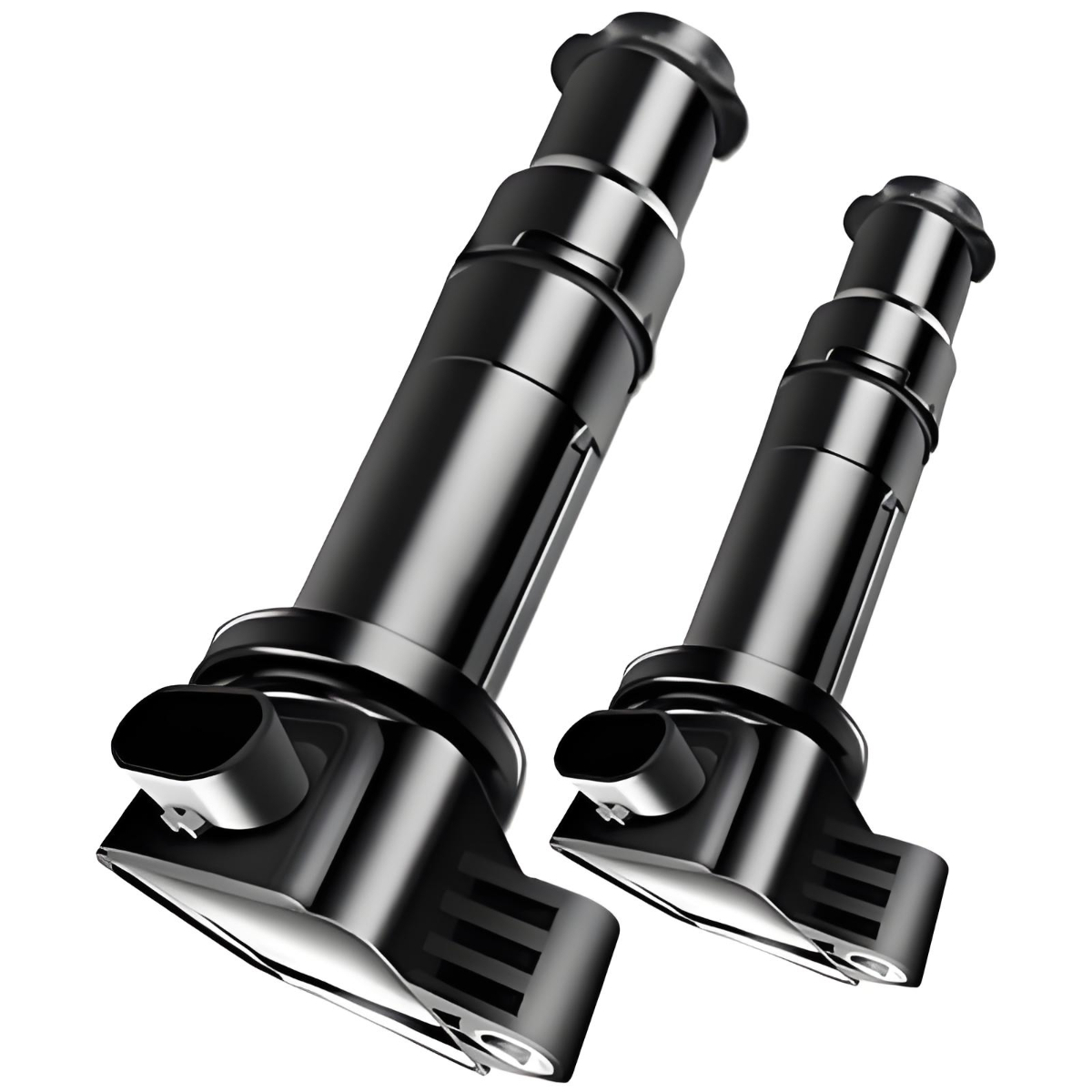
Thermal Resilience: Critical Heat Management for Long-Term Durability
Epoxy Potting vs. Oil-Filled Enclosures: Impact on Thermal Stress and Lifespan
The durability of an ignition coil really depends on how well its enclosure handles thermal stress over time. Epoxy potting materials work great because they conduct heat better (around 0.8 to 1.5 W/mK) and hold their shape when things get hot, which means fewer tiny cracks form during those temperature swings. Oil filled enclosures aren't as good at getting rid of heat though. Tests show these can degrade about 40 percent quicker when exposed to constant high temperatures. According to industry stats from semiconductor folks, roughly half of all electronics fail because they overheat. So picking the right material for the enclosure isn't just important it's probably the biggest factor determining how long that ignition coil will last before needing replacement.
Temperature-Aging Relationship: Why Sustained >150°C Core Temperatures Accelerate Failure
Ignition coils operating above 150°C undergo exponential aging due to three interrelated mechanisms:
- Insulation breakdown: Dielectric strength drops ~30% per 20°C rise beyond threshold
- Winding fatigue: Mismatched thermal expansion coefficients induce mechanical stress in windings and core interfaces
- Chemical degradation: Epoxy resins oxidize and embrittle, compromising long-term integrity
Research shows a 10— reduction in service life for every 20°C increase beyond this critical temperature—making proactive thermal management non-negotiable for durability.
Robust Construction: Core Design, Winding Integrity, and Insulation That Endure
E-Core vs. U-Core Architectures: Balancing Magnetic Efficiency and Vibration Resistance
E core transformers tend to offer better magnetic efficiency, sometimes around 15% more efficient in lab tests, because of their closed loop design that minimizes flux leakage. On the other hand, U core transformers have their strengths too when it comes to mechanical stability. We've seen from recent studies published in the Durability Testing Journal back in 2023 that these U cores can last about three times longer in situations with lots of vibration. When picking components for ignition coils, matching the core type to what the engine actually needs makes all the difference. Mechanics often go with U cores for those tough applications like big displacement engines, off road vehicles, or diesels that experience wild torque changes. Meanwhile, E cores work best in smaller, fuel efficient gas engines where getting that spark right at exactly the right moment matters most for performance.
Dielectric Strength as a Predictive Metric for Consistent Spark Energy Over Time
Dielectric strength—measured in kV/mm—is a strong predictor of long-term spark consistency. Coils with insulation exceeding 35 kV/mm show 40% less performance degradation after 80,000 miles (Automotive Engineering Report, 2024). This threshold directly supports reliability by mitigating:
- Voltage leakage, especially at high RPM where dwell windows shrink
- Insulation breakdown, particularly in humid or contaminated underhood environments
- Carbon tracking, which can form conductive paths across degraded surfaces
Manufacturers specifying dielectric materials with thermal conductivity >0.5 W/mK further ensure stable spark delivery—even when core temperatures exceed 150°C.
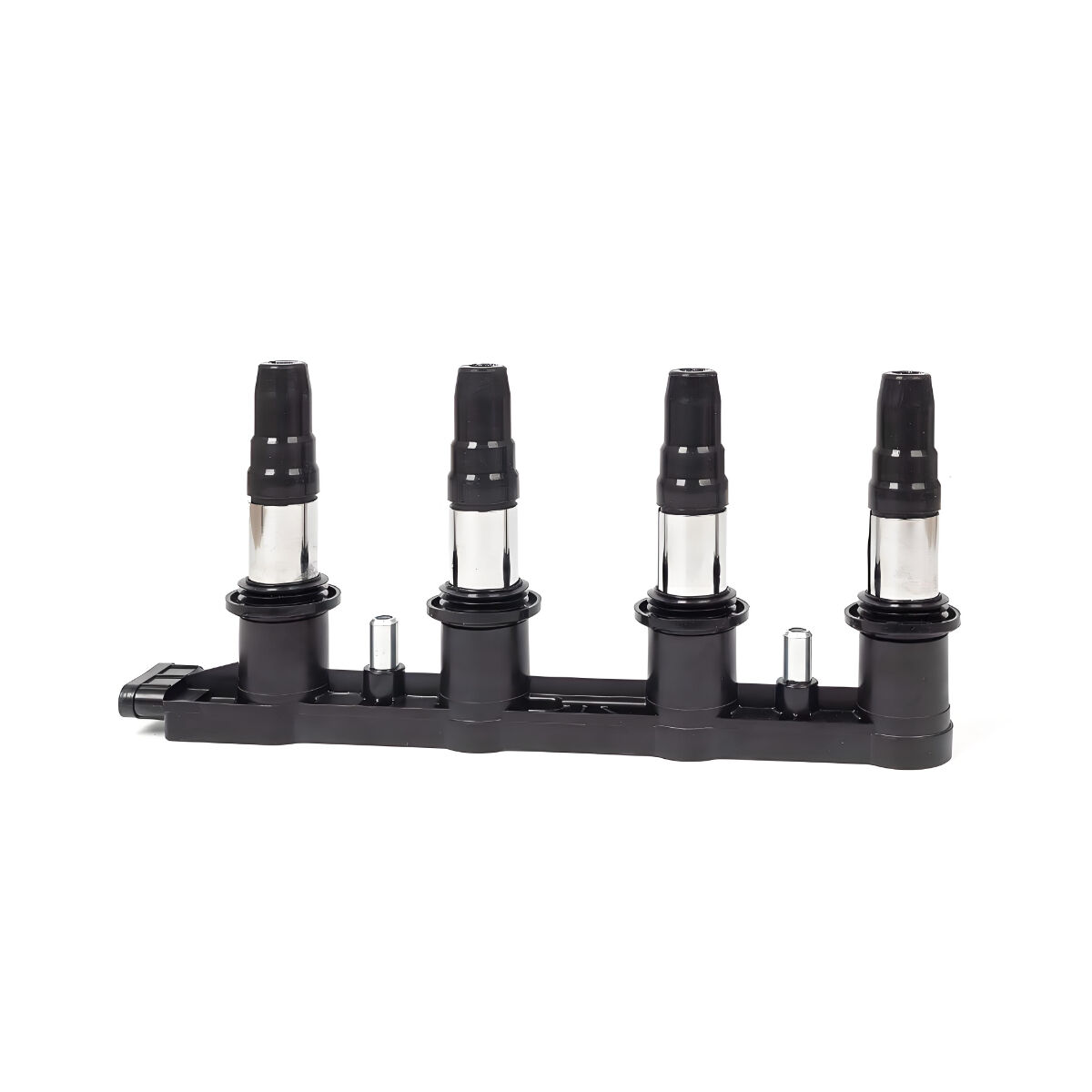
Performance Stability Under Real-World Stress: RPM, Boost, and Dwell Demands
High-RPM and Forced-Induction Compatibility: How Dwell Time Control Prevents Winding Fatigue
When engines run at high RPMs or use forced induction, they put extra heat and electricity strain on ignition coils. Turbocharged and supercharged setups need stronger sparks because the air fuel mixture gets denser inside the cylinders. But wait there's another problem too higher cylinder pressures actually increase what we call dielectric demands. That's where adaptive dwell control comes into play. These systems adjust how long the coil charges according to what's happening right now with RPMs and boost levels. If the dwell time is too long, the windings overheat and insulation starts breaking down. Not enough dwell time means weaker sparks that just don't cut it for proper combustion. Good adaptive systems stop something called winding fatigue which happens when parts expand and contract repeatedly causing tiny cracks until eventually everything fails completely. Modern coils with these smart controls can keep around 95 percent spark energy consistency even when pushing past 6,000 RPM or dealing with over 20 psi of boost pressure. This prevents those annoying misfires and makes the whole system last much longer in tough operating conditions.
Reliability Validation: Measuring Degradation to Identify a Truly Durable Ignition Coil
Resistance Drift, Misfire Correlation, and Field-Validated Mileage Thresholds (e.g., 80k Miles)
Validating a durable ignition coil requires quantifying performance decay—not just initial output—using three field-proven metrics:
- Primary winding resistance drift: Shifts >10% often precede voltage drop and timing instability, signaling early insulation or connection degradation
- Misfire correlation: Coils sustaining <0.5% misfire frequency at 6,000 RPM after thermal cycling demonstrate robust thermal and electrical resilience
- Real-world mileage thresholds: Units exhibiting ¥5% total performance degradation beyond 80,000 miles—validated per SAE J3082 accelerated aging protocols—confirm design maturity and manufacturing consistency
Manufacturers integrating these metrics into accelerated life testing predict real-world failure modes four times more accurately than those relying solely on nominal spark output checks.
Table of Contents
- Thermal Resilience: Critical Heat Management for Long-Term Durability
- Robust Construction: Core Design, Winding Integrity, and Insulation That Endure
- Performance Stability Under Real-World Stress: RPM, Boost, and Dwell Demands
- Reliability Validation: Measuring Degradation to Identify a Truly Durable Ignition Coil