 EN
EN

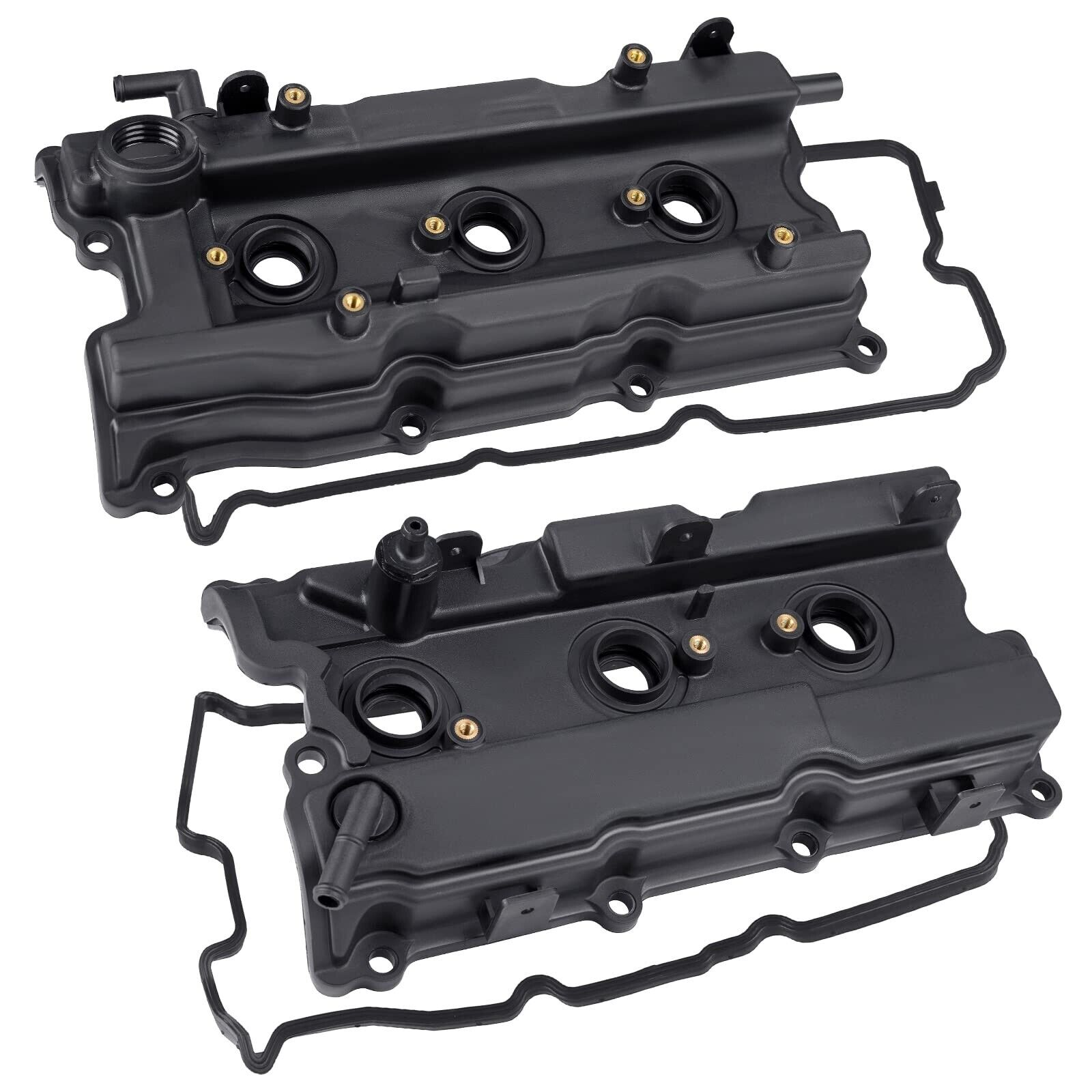
Why Choosing the Right Engine Valve Cover Manufacturer Matters
The valve cover on an engine serves as essential protection for the entire valvetrain system. It keeps dirt and grime out of those delicate parts like camshafts and rocker arms while also managing oil levels and helping dissipate heat properly. When someone goes cheap on valve covers, they're asking for trouble down the road. Bad seals lead to oil leaks which cut lubrication effectiveness somewhere around 40% or more, and that just wears everything down faster. Cheaply made covers tend to warp when temperatures get really high, especially in diesel engines where temps can hit over 300 degrees Fahrenheit. This warping messes with the pressure inside and eventually ruins the gaskets. Mechanics see this all the time in their shops. According to various field reports, about one quarter of early valvetrain failures come from poor sealing issues. And if manufacturers cut corners on materials or machining precision, the risk gets even worse. Cracks form easier, dirt gets into places it shouldn't, and engines end up starved for oil at critical moments.
Partnering with a technically proficient manufacturer delivers precision-fit components that maintain optimal compression ratios, prevent fluid loss, and extend service intervals by 30–50%. This choice directly shapes operational reliability, total cost of ownership, and compliance with aerospace-grade durability standards like ISO/AS9100.
Key Qualifications of a Reliable Engine Valve Cover Manufacturer
ISO-Certified Production and Material Traceability
The best manufacturers in the business actually get their ISO 9001 certification right. It's not just something they hang on the wall for show, but rather something that forms the backbone of their quality control processes and gives them complete traceability over materials. What this means is that each and every valve cover produced has to meet strict specs when it comes to size, metal properties, and how it performs, no matter which batch it comes from. These companies invest heavily in tracking systems that follow raw materials all the way from trusted suppliers through the entire manufacturing journey including melting down metals, casting shapes, and final machining steps. This helps stop fake alloys from sneaking into production and makes sure everything complies with those important industry standards like SAE J429 and ASTM A380. Before cutting even starts on a part, spectrometers check what kind of alloy we're dealing with, so problems don't happen later down the line.
Precision CNC Machining and Surface Finish Control
Leading manufacturers deploy high-accuracy CNC machining centers capable of holding ±0.005mm tolerances on critical sealing surfaces—enabling uniform gasket compression and eliminating leakage paths under extreme thermal cycling. Post-machining, non-contact metrology validates flatness to within 0.0005 inches per inch. Core finishing processes include:
- Micro-finishing to achieve Ra values under 0.8 μm—ensuring optimal gasket adhesion
- Peripheral milling for stress-free bolt hole formation, preventing distortion during installation
- Robotic deburring, removing micro-burrs that could initiate fatigue cracks
Real-time Statistical Process Control (SPC) monitors tool wear and dimensional drift, automatically adjusting tool paths when deviations exceed 0.003mm. Covers validated through this system demonstrate zero seal degradation after 1,000+ thermal cycles—proving long-term reliability under real-world conditions.
OEM/ODM Capabilities: From Prototyping to High-Volume Production
Having real OEM/ODM capabilities goes beyond simple manufacturing operations. It involves having engineers who can respond quickly throughout every stage when developing products. Top manufacturers help clients move smoothly between small batch prototypes used for testing and large scale production reaching over 100k units per year. They do this through their flexible CNC machining resources and fully automated assembly systems. When companies integrate these different functions internally, they typically cut down on how long it takes to get products to market by around 30 to 40 percent. At the same time, they maintain very precise measurements within plus or minus 0.05 millimeters regardless of production quantity. Using computer aided design tools to simulate manufacturing processes before creating actual tools helps save money on wasted materials. This approach also prevents costly changes during production and speeds up the overall approval process significantly.
Custom Design Support for Application-Specific Sealing & Mounting
Engineering teams work hand in hand with their clients, going beyond simple drawing adaptations to tackle real world problems related to thermal expansion issues, high frequency vibrations, and harsh chemical environments. With parametric modeling tools at their disposal, these experts adjust everything from flange shapes to gasket channel depths and bolt spacing patterns. The goal? Leak free operation even when dealing with pressures above 300 psi and temperature ranges from minus 40 degrees Celsius all the way up to 200 degrees. For mounting solutions, precision matters greatly. They customize components to fit specific engine clearances while offering additional features like built in baffles or centrifugal oil separation systems. When it comes to materials, computational stress analysis plays a big role in decision making. Teams match appropriate aluminum alloys such as A380 or A390 against composite materials based on what each project actually needs. This approach typically results in about 25 percent longer component life compared to standard off shelf products.
Global Compliance, Testing & Long-Term Supply Reliability
How well a company meets international regulations and performance standards really shows where their supply chain stands and what kind of risks they face down the road. Top manufacturers follow all sorts of rules across different regions. They stick to REACH regulations in Europe, make sure they're following EPA requirements in North America, and maintain IATF 16949 standards for automotive manufacturing processes. Many also keep up with ISO/IEC 17025 when it comes to lab testing accreditation. Getting aligned with these various standards from different parts of the world means companies can enter new markets faster without having to go through lengthy requalification processes again and again.
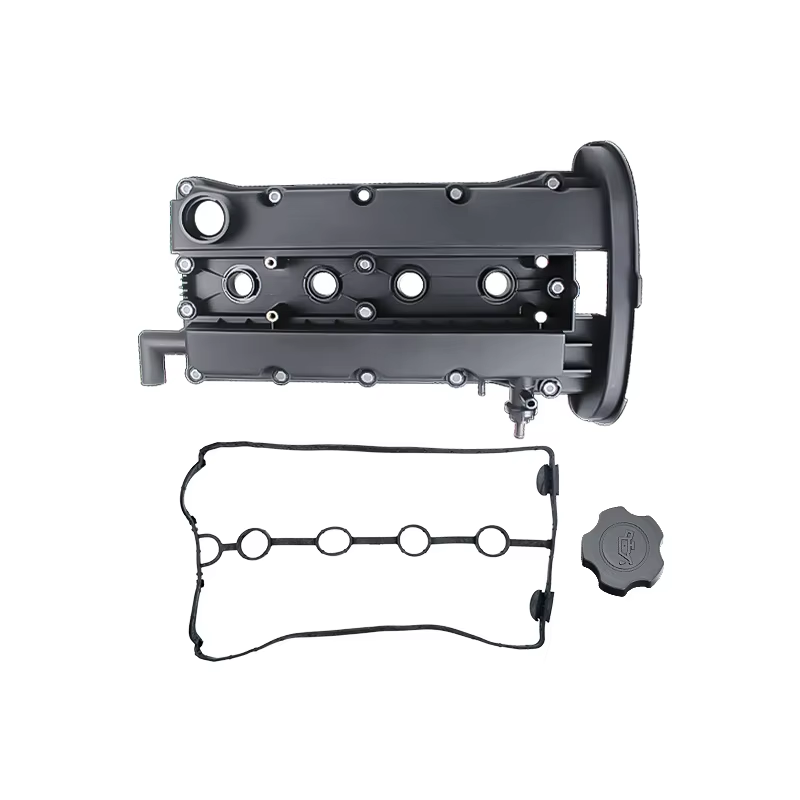
Durability Validation: Thermal Cycling, Pressure, and Leak Testing
Rigorous, standardized validation separates proven manufacturers from commodity suppliers. Industry-leading protocols include:
- Thermal cycling from -40°C to 150°C for 500+ cycles—validating resistance to warping and gasket relaxation
- Hydrostatic pressure testing at 1.5× maximum operating pressure (≥25 PSI), aligned with SAE J1453 structural requirements
- Helium mass spectrometry leak testing, detecting flaws below 1×10⁻⁶ mbar·L/s—the gold standard for verifying hermetic sealing
The testing process actually mimics what engines would experience over many years of operation, showing how well they hold up against things like constant vibrations and sudden temperature changes after hundreds of thousands of cycles. Looking at fleet maintenance reports from 2023 tells us something important: oil leaks still top the list as the most avoidable reason for breakdowns in the field. When manufacturers pass these rigorous tests time after time, we start seeing real benefits. Warranty issues drop off, production lines don't get held up so often, and those unexpected shutdowns that cost companies money become much less frequent.