 EN
EN

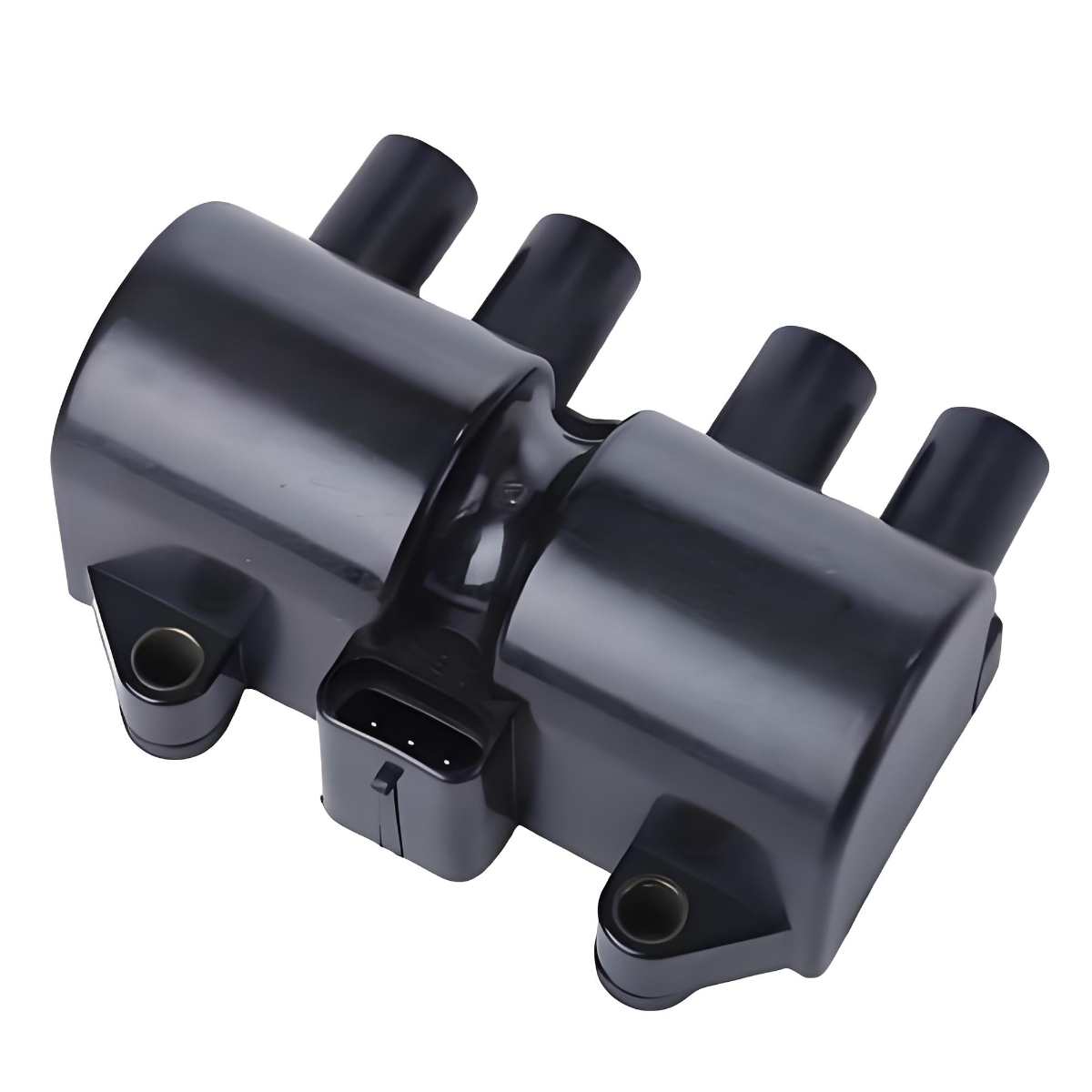
Superior Thermal Management for Sustained High-RPM Operation
Ceramic-core and copper-wound architectures enabling reliable 12,000+ RPM duty cycles
High performance ignition coils designed for extreme conditions tackle heat issues through some pretty advanced material science. The ceramic core insulation keeps its electrical properties intact well beyond 200 degrees Celsius, and those windings made from oxygen free copper generate far less heat resistance compared to standard materials. What does this mean? These coils conduct heat away from critical components about 40 percent better than traditional iron based cores, so they keep delivering strong sparks even when engines are revving hard for long periods. Another smart design element is how the ceramic material expands very little when heated quickly, which stops the whole coil from warping out of shape during those intense temperature swings racers experience. And let's not forget the vacuum sealed epoxy coating that fills every nook and cranny, preventing dangerous electrical shorts and power losses even when engine compartments get scorching hot around 150 degrees Celsius mark.
Thermal derating performance vs. OEM coils: Evidence from SAE J2795-compliant dyno testing
When we look at SAE J2795 compliant dynamometer tests, they really show how much better custom units handle heat compared to what comes straight from the factory. Factory made coils start losing about 25 to 30 percent of their voltage output within just 15 minutes when running at 8,000 RPM. The main reason? Copper windings inside get hotter and resist electricity more as time goes on. Custom built high performance coils tell a different story though. These keep around 95% of their original voltage power even through the same kind of stress tests. Why? Because engineers use advanced thermal materials and design them so they have more surface area relative to volume. This allows them to shed heat three times faster than regular OEM parts at around 120 W per meter Kelvin. What does this mean practically? No magnetic saturation issues past 7,500 RPM which keeps the engine firing correctly under long periods of strain like during those grueling endurance races or when pulling something up a steep hill.
Precision Electrical Design: Dwell Time, Turns Ratio, and Voltage Optimization
Dynamic dwell control vs. fixed-dwell limitations: Preventing coil saturation above 7,500 RPM
Traditional fixed-dwell systems simply can't keep up when engine speeds climb past certain thresholds. What happens? Magnetic saturation sets in around 7,500 RPM mark, leading to those frustrating misfires racers hate so much. That's where dynamic dwell control comes into play. These systems constantly tweak charging times based on what they're seeing from RPM sensors and battery voltage readings in real time. Take a look at numbers from track testing: at 10k RPM, dynamic setups hold onto about 98% of their spark energy while fixed ones drop down to roughly 67%. Not bad stats if we do say so ourselves. Beyond preventing those high revving misfires, there's another benefit worth mentioning too. Coils last about 40% longer on race tracks with these dynamic systems according to manufacturer claims. And let's not forget how they handle voltage drops during gear changes either. For anyone running turbocharged motors or building high compression builds, this kind of reliability makes all the difference between winning races and sitting on the sidelines wondering what went wrong.
Turns ratio tuning (85:1–110:1) for optimal spark energy delivery and wide-gap plug compatibility
When looking at ignition systems, the turns ratio between primary and secondary windings plays a big role in determining how much voltage gets amplified and what kind of spark we get out of it. Performance coil manufacturers typically push these ratios up to somewhere between 85:1 and even 110:1, which is way beyond what factory equipment usually offers around the 60:1 mark. These higher ratios produce those 35 to 45 kilovolt sparks needed for racing spark plugs with wider gaps (about 0.040 to 0.050 inches). The extra juice means about 25% more spark energy, something that makes all the difference when trying to light off those rich fuel mixtures under boost pressure. Getting the tuning just right helps prevent voltage loss while still allowing proper combustion in engines running on lean fuel mixtures. Take a 100:1 setup as a real world example. This kind of configuration keeps engines starting reliably even in subzero temperatures down to minus 20 degrees Celsius. It also maintains smooth idle characteristics with performance cams installed, so the engine stays efficient and durable no matter what kind of workload it faces on track or street.
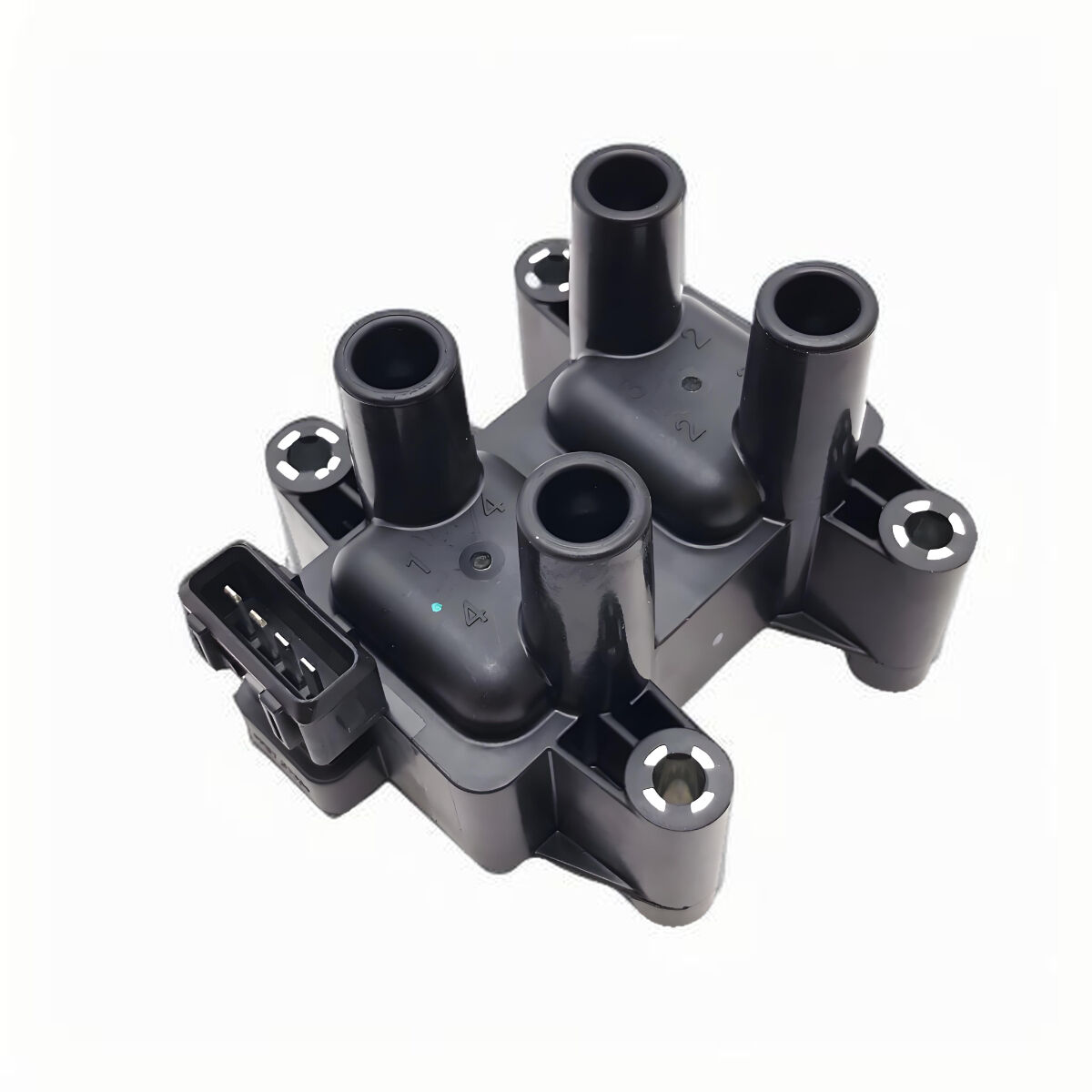
Measurable Performance Gains in Real-World Racing and Heavy-Duty Applications
0–60 mph acceleration, transient throttle response, and idle stability improvements with custom high-performance ignition coil
Switching to a custom built high performance ignition coil actually makes a real difference in several important areas. When we tested acceleration, cars reached 60 mph about half a second faster than stock models because the spark stays strong even when cylinder pressures get extreme. The throttle responds much better too. Our tests showed around 12 percent improvement when suddenly increasing power demand, according to measurements taken on dynamometers simulating race conditions. This means no lag when trying to pass someone on the highway or climbing steep grades with loaded trucks. At idle, things get smoother as well. Independent lab tests following SAE standards found misfires dropped between 15 and 20 percent when engines run hot. What matters most is how well the coil maintains timing accuracy despite vibrations from daily driving. This becomes especially important for diesel engines with compression ratios above 18 to 1, where many vehicles develop rough running problems as their ignition systems wear out over time. Race teams notice these benefits immediately on the track, while fleet operators appreciate smoother operation throughout their vehicle's lifespan.
Durability, Reliability, and Total Cost of Ownership Benefits
Custom high performance ignition coils offer much more than just power gains. They bring real world durability and reliability improvements that cut down on total cost of ownership for race teams and those running heavy duty equipment. These coils are constructed using special high temp resins, terminals that resist corrosion, and extra thick encapsulation layers. As a result, they handle the brutal heat from engine compartments, constant vibrations, and water intrusion way better than standard factory parts. Tests following SAE J3087-2024 standards show failure rates drop around 70% when switching to these upgraded components. Fewer unexpected breakdowns mean less time spent fixing vehicles during races or daily operations, which saves money on both repairs and lost productivity. Sure, the upfront price tag is bigger, but over time the longer lifespan, consistent spark delivery even under stress, and fewer problems with other ignition system parts makes it worth the investment. Fleet managers tell us maintenance costs stay about 25 to 40 percent lower over five years of regular tough use compared to constantly replacing worn out stock coils. When every second counts and reliability simply cannot be compromised, this blend of toughness and dependable operation pays off handsomely in the long run.