EN
EN

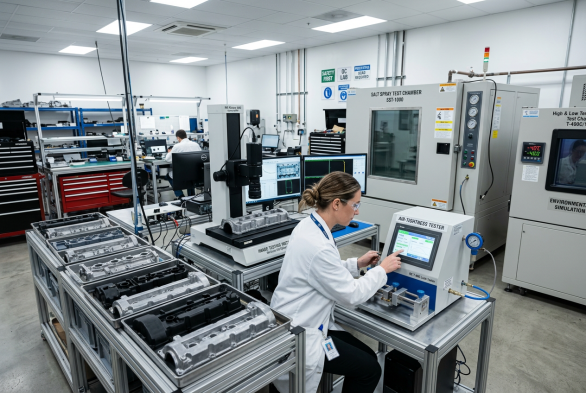
त्वरित उत्तर: नमकीन छिड़काव परीक्षण (ASTM B117 या ISO 9227 के अनुसार) एक त्वरित संक्षारण परीक्षण है जिसमें धातु ऑटो पार्ट्स को 35°C पर 5% सोडियम क्लोराइड के निरंतर सूक्ष्म कणों के छिड़काव के अधीन किया जाता है। मानक अवधि की सीमा सजावटी क्रोमियम के लिए 48 घंटे से लेकर गंभीर-उपयोग वाले इंजन के अंदर के घटकों के लिए 720 घंटे तक होती है । एल्युमीनियम वॉल्व कवर, ऑयल पैन और धातु इंसर्ट्स के लिए, लाल जंग के बिना 240 घंटे का नमकीन छिड़काव प्रस्तुति आमतौर पर एफ्टरमार्केट मानक है। रैनमी की गुणवत्ता नियंत्रण प्रयोगशाला में नियमित मान्यता के लिए एक नमकीन छिड़काव परीक्षण कक्ष शामिल है।
नमकीन छिड़काव परीक्षण क्या मापता है
यह परीक्षण वर्षों तक के निर्यात का अनुकरण करता है:
- तटीय आर्द्रता और नमकीन हवा (मध्य पूर्व के तटीय क्षेत्र, फ्लोरिडा, भूमध्य सागर)
- उत्तरी जलवायु में सर्दियों के दौरान सड़कों पर छिड़का गया नमक (रूस, कनाडा, उत्तरी यूरोप)
- औद्योगिक वायुमंडलीय प्रदूषण
यह परीक्षण वास्तविक दुनिया में संक्षारण के साथ पूर्ण रूप से सहसंबंधित नहीं है (प्रयोगशाला और क्षेत्रीय स्थितियाँ भिन्न होती हैं), लेकिन यह एक पुनरुत्पादन योग्य मानक सामग्री, लेप और सतह उपचारों की तुलना के लिए प्रदान करता है।
परीक्षण मानक संदर्भ
|
मानक |
शरीर |
नोट्स |
|
ASTM B117 |
एएसटीएम इंटरनेशनल |
सबसे अधिक उद्धृत |
|
ISO 9227 (NSS) |
मानकीकरण के लिए अंतर्राष्ट्रीय संगठन |
यूरोपीय/एशियाई वरीयता |
|
जेआईएस जेड 2371 |
जापानी औद्योगिक मानक |
जापानी ओईएम अनुप्रयोग |
|
जीबी/टी 10125 |
चीनी राष्ट्रीय मानक |
घरेलू अनुप्रयोग |
एएसटीएम बी117 और आईएसओ 9227 एनएसएस (तटस्थ नमक छिड़काव) लगभग समान परिणाम उत्पन्न करते हैं।
परीक्षण प्रक्रिया
- नमूना तैयारी — भाग को साफ करें, उजागर सतह को चिह्नित करें, आवश्यकता होने पर कटे किनारों को छुपाएं
- कक्ष लोडिंग — भागों को ऊर्ध्वाधर से 15–30° के कोण पर माउंट किया जाता है ताकि स्प्रे नीचे की ओर बहे
- नमक का घोल — आसुत जल में 5% NaCl, pH 6.5–7.2
- कक्ष की स्थितियाँ — 35°C ± 1.1, निरंतर धुंध, संग्रह दर 80 cm² प्रति घंटे 1–2 mL
- संपर्क अवधि — भाग वर्ग के अनुसार भिन्न होता है (नीचे दी गई तालिका देखें)
- निरीक्षण — आवधिक फोटो डॉक्यूमेंटेशन, अंतिम मूल्यांकन ASTM D1654 के अनुसार
आम अवधि आवश्यकताएँ
|
भाग का प्रकार |
अवधि |
स्वीकृति मानदंड |
|
सजावटी क्रोम लेपन |
48 घंटे |
कोई दृश्य संक्षारण नहीं |
|
कैडमियम-लेपित फास्टनर |
96 घंटे |
सफेद जंग का < 5%, लाल जंग का अभाव |
|
जिंक-लेपित स्टील ब्रैकेट |
120 घंटे |
लाल जंग नहीं |
|
गैल्वेनाइज़्ड एग्जॉस्ट घटक |
240 घंटे |
सतह के जंग लगने का < 10% |
|
एल्युमीनियम डाई कास्टिंग (अनकोटेड) |
240 घंटे |
गड्ढों का < 5% |
|
एल्युमीनियम + इलेक्ट्रोफोरेटिक लेपन |
480 घंटे |
कोटिंग के माध्यम से लाल जंग का अभाव |
|
अंडरबॉडी के स्टील घटक |
720 घंटे |
लाल जंग < 10% |
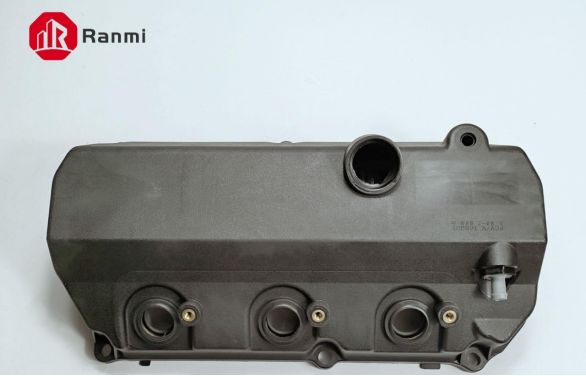
रानमी एल्युमीनियम वॉल्व कवर (टोयोटा 2KD, होंडा METTS, फोर्ड विंडसर) के लिए, विशिष्ट विनिर्देश है nSS के 240 घंटे, जिसमें नंगी आँखों से लाल जंग दिखाई नहीं देती .
कोटिंग रणनीतियाँ
मांगपूर्ण नमक के छिड़काव की अवधि पास करने के लिए, एल्युमीनियम और स्टील के भागों का उपयोग किया जाता है:
- एनोडाइजिंग (एल्युमीनियम) — नियंत्रित ऑक्साइड परत, 5–25 µm मोटी
- कैथोफोरेटिक ईडी-कोटिंग (ई-कोट) — स्थिर विद्युत द्वारा जमा किया गया प्राइमर, 20–30 माइक्रोमीटर मोटा
- पाउडर कोटिंग — दृश्य भागों के लिए मजबूत टॉपकोट
- जिंक-समृद्ध प्राइमर — फास्टनर्स के लिए बलिदान संरक्षण
- त्रिसंयोजी क्रोमियम पैसिवेशन — षट्संयोजी क्रोमियम (RoHS) का प्रतिस्थापन
परीक्षण रिपोर्टिंग
एक पूर्ण नमकीन छिड़काव परीक्षण रिपोर्ट में निम्नलिखित शामिल होना चाहिए:
- परीक्षण मानक और संशोधन
- नमूना पहचान (भाग संख्या, बैच, तिथि कोड)
- कोटिंग प्रणाली का वर्णन
- कक्ष की स्थितियाँ (तापमान, पीएच, संग्रह दर)
- निरीक्षण अंतराल और अवलोकन
- प्रारंभ में और प्रत्येक अंतराल पर फोटो
- ASTM D1654 के अनुसार अंतिम उत्तीर्ण/अनुत्तीर्ण निर्णय एवं रेटिंग
अक्सर पूछे जाने वाले प्रश्न
प्रश्न 1: क्या प्लास्टिक के वॉल्व कवर पर नमक के छिड़काव का परीक्षण आवश्यक है? नहीं — प्लास्टिक स्वयं के लिए संक्षारण नहीं होता है। हालाँकि, प्लास्टिक के वॉल्व कवर के भीतर स्थित तांबे के बुशिंग और स्टील के बोल्ट्स का अलग से परीक्षण किया जाता है।
प्रश्न 2: 720-घंटे के परीक्षण को पूरा करने में कितना समय लगता है? 720 घंटे = 30 दिन। नमूना तैयारी और अंतिम मूल्यांकन के लिए अतिरिक्त 1–2 दिन। कुल सामान्य प्रयोगशाला समय: 32 दिन।
प्रश्न 3: क्या नमक के छिड़काव का प्रदर्शन क्षेत्र में संक्षारण से संबंधित है? लगभग। एक सामान्य नियम है कि 240 घंटे का नमकीन छिड़काव ≈ मध्यम जलवायु के अध्यक्षण के 5 वर्ष लेकिन यह कोटिंग प्रणाली और क्षेत्रीय स्थितियों पर भारी निर्भर करता है। नमकीन छिड़काव का उपयोग सापेक्ष तुलना के लिए सबसे अच्छा है, न कि निरपेक्ष आयु भविष्यवाणी के लिए।