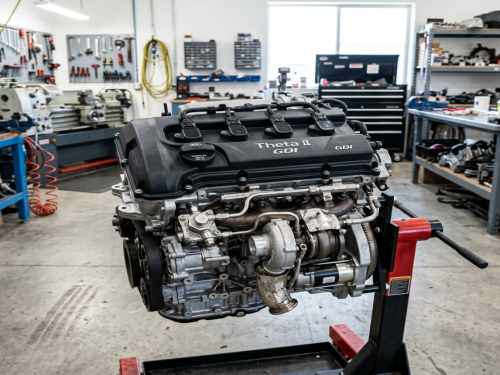
Gasoline Direct Injection (GDI) technology has fundamentally reshaped the operating environment inside modern engine bays, and valve covers designed only a decade ago simply cannot cope with the pressures, temperatures, and vapor loads that GDI power...
VIEW MORE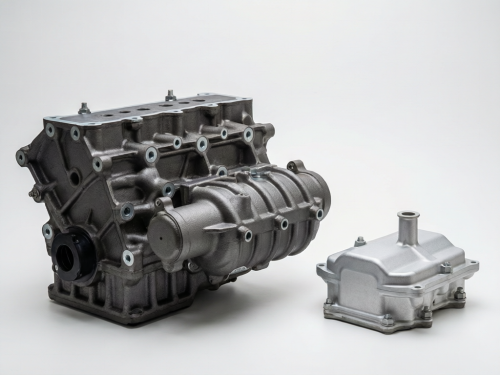
Diesel engine valve covers differ from gasoline versions through heavier construction, integrated crankcase ventilation systems with active oil separation, and enhanced thermal resistance rated for sustained temperatures above 120C. These differences...
VIEW MORE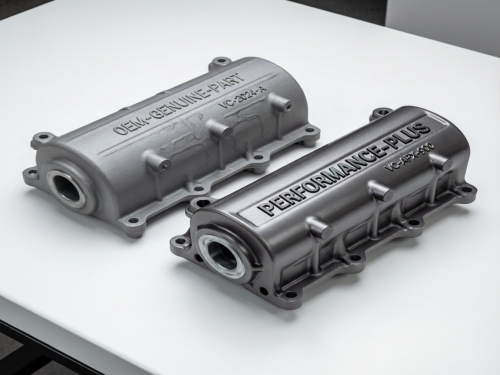
Valve cover compatibility is confirmed by matching the OE part number, engine code, and production year range. Cross-referencing these three data points eliminates most fitment errors, which account for the majority of aftermarket return claims acros...
VIEW MORE
Aftermarket auto parts shelf life depends on material composition, storage environment, and packaging integrity. Rubber gaskets degrade in 3-5 years, while plastic and metal valve cover assemblies remain viable for 5-10 years under proper storage con...
VIEW MORE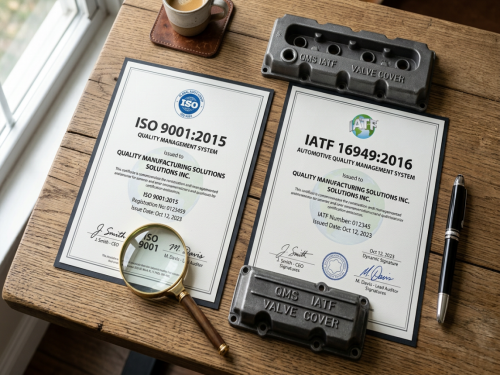
Automotive parts certification validates a manufacturer's quality management system against industry standards, providing buyers with objective evidence that production processes meet defined requirements. IATF 16949 is the highest automotive-specifi...
VIEW MORE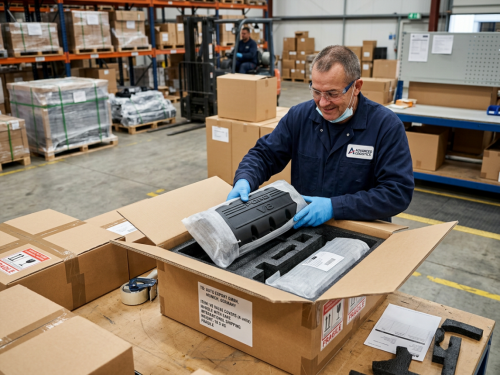
Valve cover packaging directly determines arrival condition, with improper methods causing 3-8% damage rates versus under 0.5% with engineered packaging solutions. In global aftermarket distribution, packaging is not a cost line item to minimize - it...
VIEW MORE
Aftermarket valve cover warranty coverage typically ranges from 12 to 36 months depending on manufacturer certification level, testing depth, and market positioning. IATF 16949-certified producers generally offer longer warranty terms because their v...
VIEW MORE
The valve cover bolt tightening sequence follows a center-outward pattern with torque values typically between 8-12 Nm for plastic covers and 10-15 Nm for aluminum. Proper sequence prevents gasket distortion, bolt boss cracking, and the slow perimete...
VIEW MORE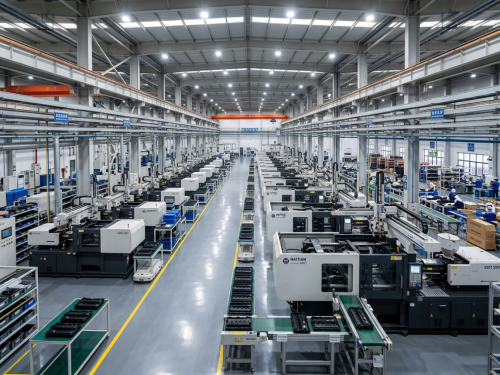
RTV sealant cure time varies from 1 to 24 hours depending on product chemistry, ambient temperature, humidity, and component substrate. Most automotive-grade RTV silicones achieve handling strength within 1 hour, tack-free skin in 15-30 minutes, and ...
VIEW MORE
Valve cover grommets should be replaced every time the valve cover is removed for service — full stop, no exceptions on any modern OHC engine. Worn grommets lose compression, allowing bolt loosening and oil seepage, while failed spark plug tube...
VIEW MORE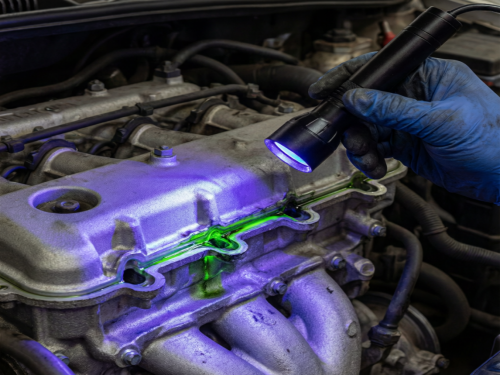
Correct oil pan alignment requires centering the pan on its dowel pins or bolt pattern before torquing, ensuring the gasket seats uniformly around the full perimeter. Misalignment by even 1–2mm causes uneven gasket compression, chronic oil leak...
VIEW MORE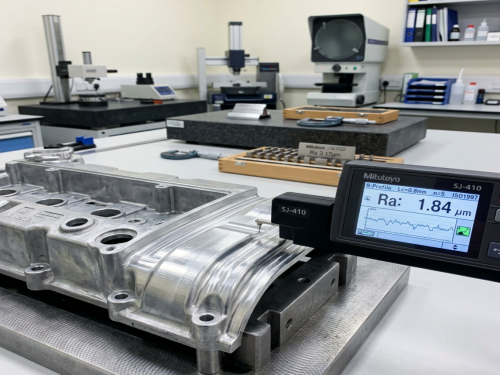
Proper valve cover surface preparation is essential for a leak-free seal, and in our warranty analysis it is the single largest contributor to repeat leaks after installation. Residual old gasket material, oil film, or surface imperfections defeat ev...
VIEW MORECopyright © 2025 by Hangzhou Nansen Auto Parts Co.,Ltd. — Privacy Policy
 EN
EN