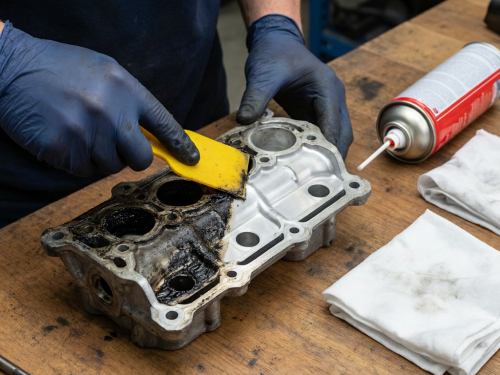
Valve cover gasket reuse is generally not recommended, and in most OEM service protocols it is explicitly prohibited. Once a rubber or silicone gasket has been compressed at operating temperature for even a few thousand kilometers, it develops perman...
VIEW MORE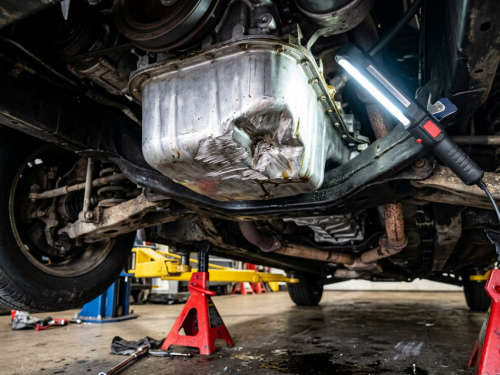
Oil pan impact damage from road debris, speed bumps, or off-road grounding can cause cracks, dents restricting oil flow, or slow leaks that starve the engine of lubrication. Any visible deformation warrants immediate inspection — an oil pan doe...
VIEW MORE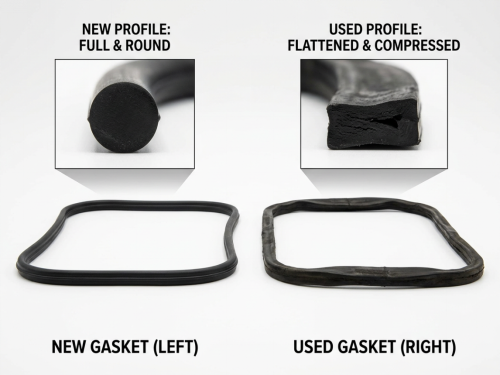
Valve cover gasket over-torque damage occurs when bolt tension exceeds the gasket's compression limit, causing permanent deformation, cracking of the cover boss, or uneven sealing across the flange. Most modern valve cover bolts require only 7–...
VIEW MORE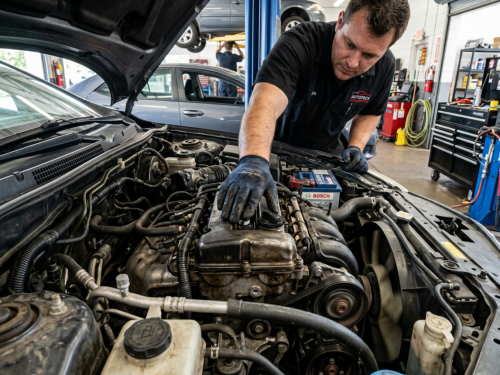
A valve cover noise rattle typically indicates loose mounting bolts, deteriorated grommets, or a warped cover that no longer seats flush against the cylinder head. Identifying the source early prevents oil leaks, coil-on-plug damage, and secondary pr...
VIEW MORE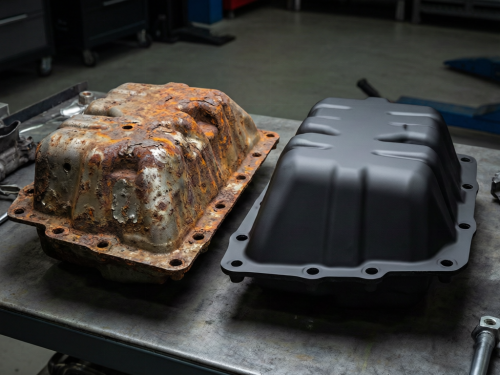
Oil pan rust prevention depends primarily on material selection and protective coatings applied during manufacturing. Aluminum alloy pans resist corrosion naturally through a passive oxide layer, while stamped steel pans require multi-stage surface t...
VIEW MORE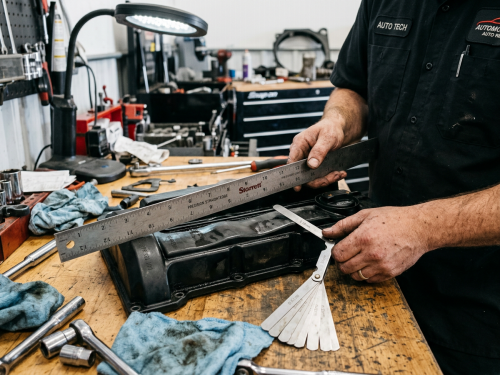
Valve cover warping occurs when thermal cycling, over-torquing, or material degradation causes the mating surface to deviate from flat, resulting in oil leaks that worsen progressively. Early identification prevents costly engine contamination &mdash...
VIEW MORE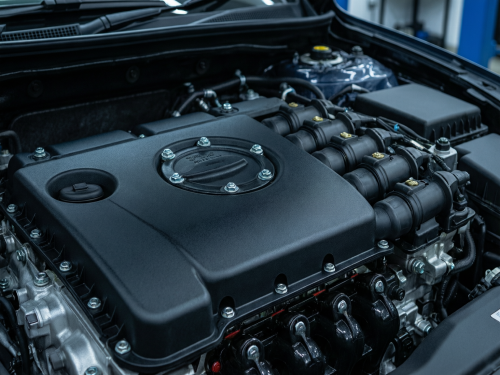
Valve cover PCV port design controls how crankcase gases are metered into the intake manifold, maintaining proper engine vacuum and emissions compliance. A well-integrated PCV port minimizes oil carryover while managing blowby volumes efficiently acr...
VIEW MORE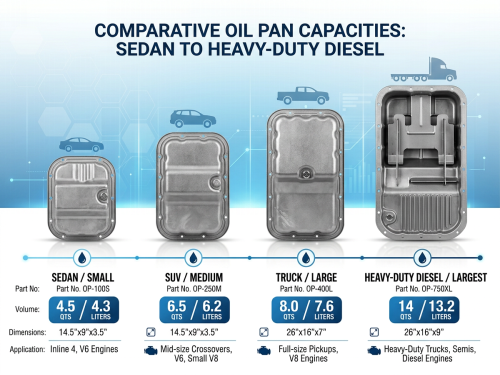
Engine oil pan capacity varies from about 3.5 L in compact sedans to over 12 L in heavy-duty diesel trucks, determined by engine displacement, sump design, cooling requirements, and duty cycle expectations. Knowing the correct capacity prevents both ...
VIEW MORE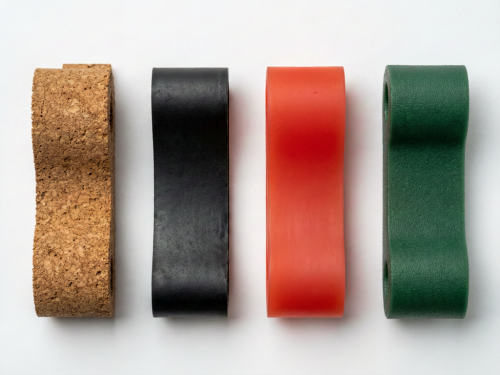
Valve cover gasket material determines seal longevity, temperature resistance, chemical compatibility with engine oil, and resistance to compression set — the tendency of a compressed elastomer to permanently deform and lose sealing force over ...
VIEW MORE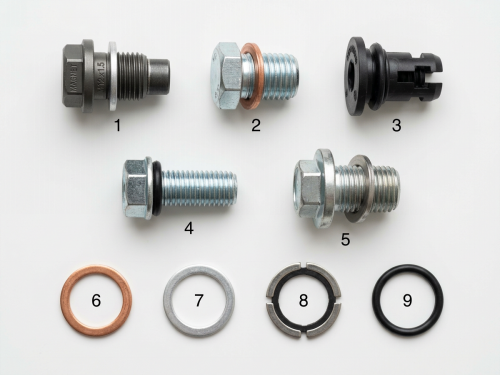
Oil pan drain plug types vary by thread diameter, pitch, sealing method, and head style depending on vehicle manufacturer. Selecting the wrong plug damages threads, causes leaks, and in a worst case may result in catastrophic oil loss on the highway ...
VIEW MORE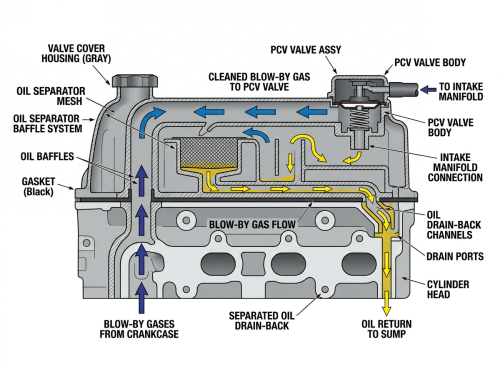
A valve cover breather system vents excess crankcase pressure while preventing oil from escaping the engine. It maintains a slight vacuum (typically -2 to -8 kPa at idle) inside the crankcase, which reduces oil leaks past every seal in the engine &md...
VIEW MORE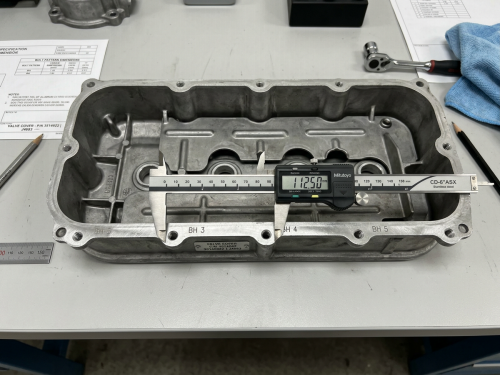
A valve cover bolt pattern defines the number, spacing, thread specification, and torque sequence of the fastening points that secure the cover to the cylinder head. Incorrect fitment causes uneven gasket compression, distorted sealing surfaces, and ...
VIEW MORECopyright © 2025 by Hangzhou Nansen Auto Parts Co.,Ltd. — Privacy Policy
 EN
EN